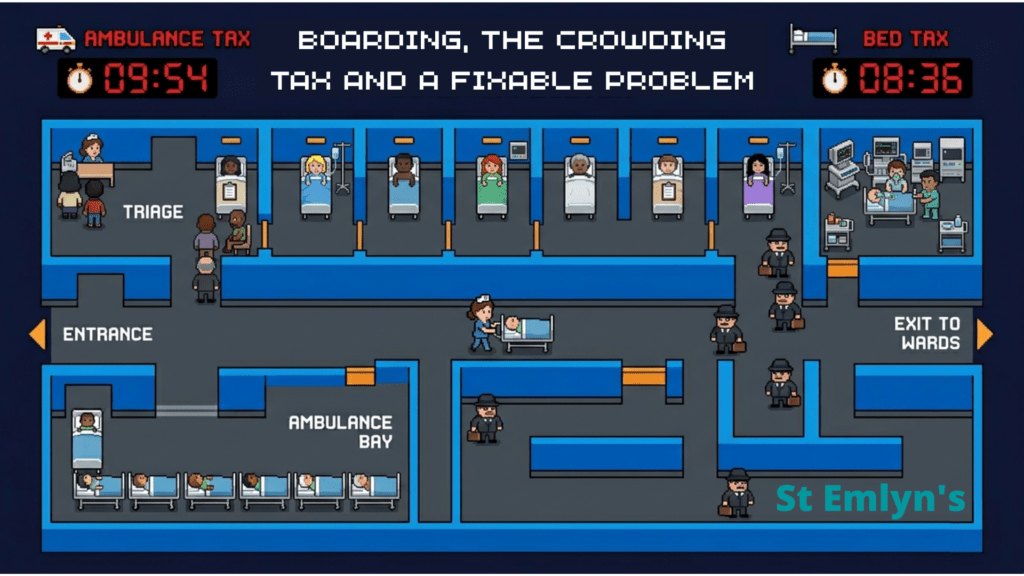
What does medical boarding cost patients and the wider emergency care system? Stevan Bruijns reviews regional data linking boarding with mortality, longer stays and ambulance delays, then explores the limitations of the evidence and the argument for action within acute trusts.
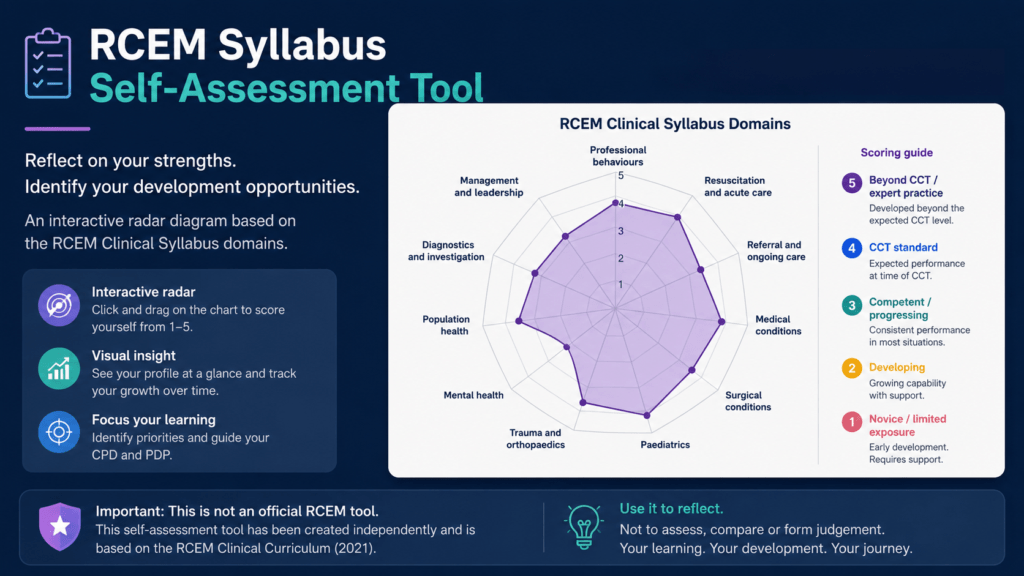
Map your confidence across the clinical domains of emergency medicine with an interactive radar chart based on the RCEM syllabus. This St Emlyn's tool supports reflection, revision and learning plans; it is neither an official RCEM product nor a formal assessment.
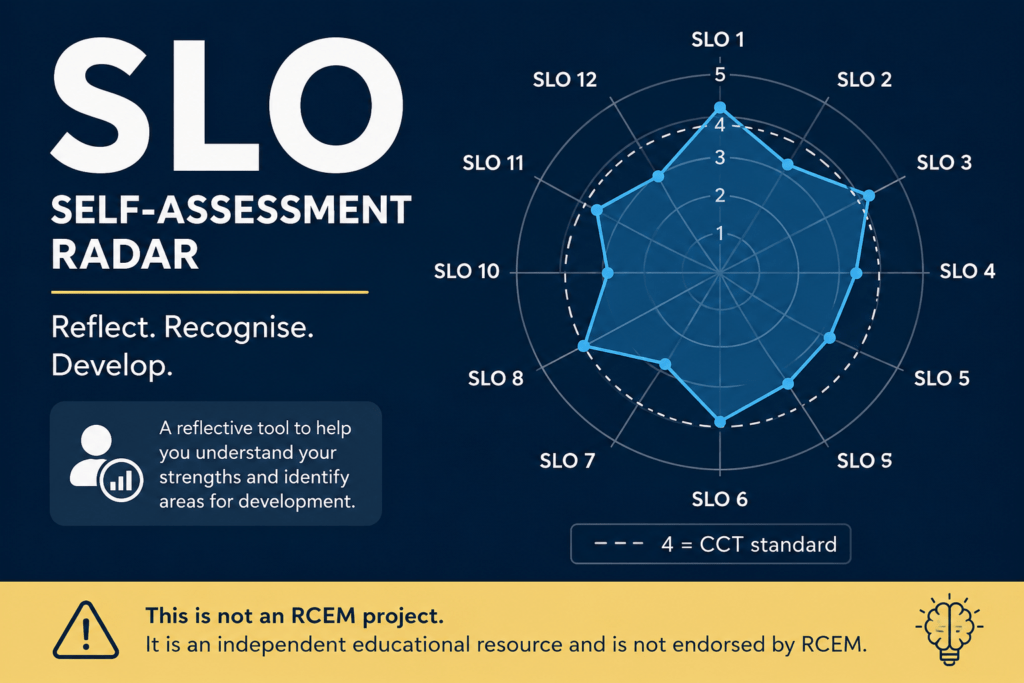
We’ve built a simple SLO self-assessment tool based on the 12 RCEM Specialty Learning Outcomes in the RCEM curriculum. Designed for trainees, consultants and educators in emergency medicine, this reflective tool helps clinicians visualise strengths, development needs and their overall training profile using an interactive radar chart. It's not an RCEM product but relates to the curriculum.
When something goes wrong in healthcare, another training module is often the default response. Jesse Spurr examines the costs of that reflex and offers six steps for deciding when training is useful and when the system needs to change.
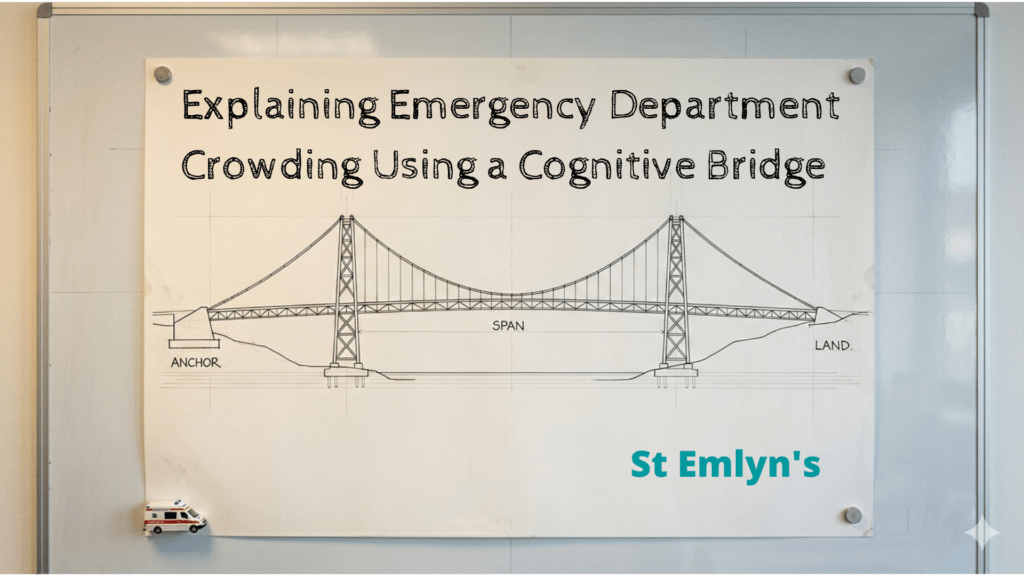
Emergency Department crowding is hard to explain to non-clinical audiences. A cognitive bridge is a three-step tool to help others understand.
A recorded talk on making feedback useful in clinical settings, with examples of how to deliver it and approaches to avoid. Running just over 28 minutes, it draws on years of St Emlyn’s teaching and links to earlier work on feedback and conflict resolution.