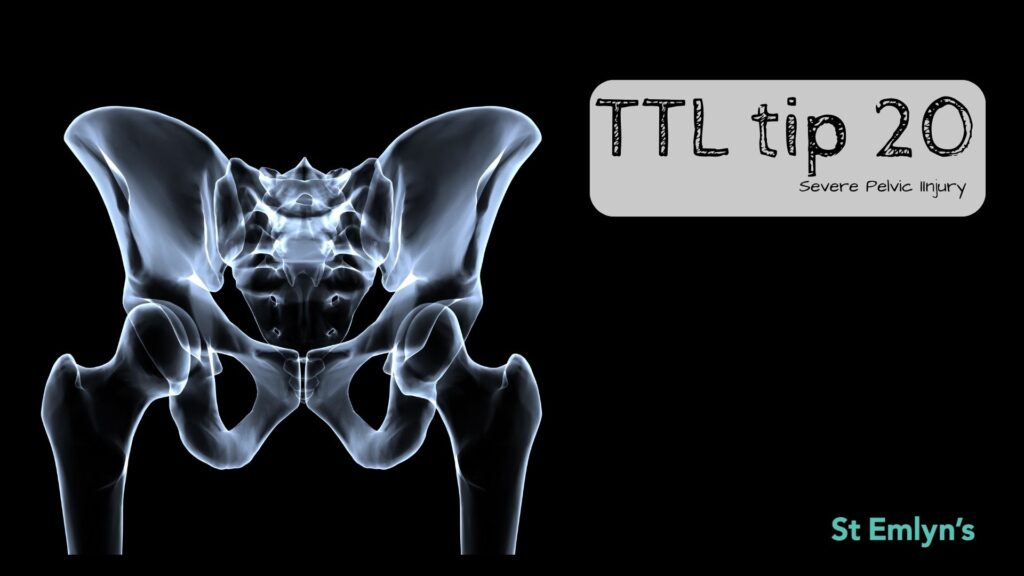
How can the trauma team leader help specialists agree a timely plan for a patient with a significant pelvic fracture? This guide focuses on coordinating resuscitation and bleeding control, resolving competing priorities and planning for deterioration or delay.
Finding one spinal fracture raises the question of injury elsewhere in the spine. This trauma team leader tip discusses the rationale for whole-spine imaging, the roles of CT and MRI, and circumstances that may call for a different approach.
Can prehospital emergency anaesthesia improve survival after major trauma? This review examines a UK study using machine learning and causal modelling, with attention to patient selection, residual confounding and why an observational estimate is not definitive proof of benefit.
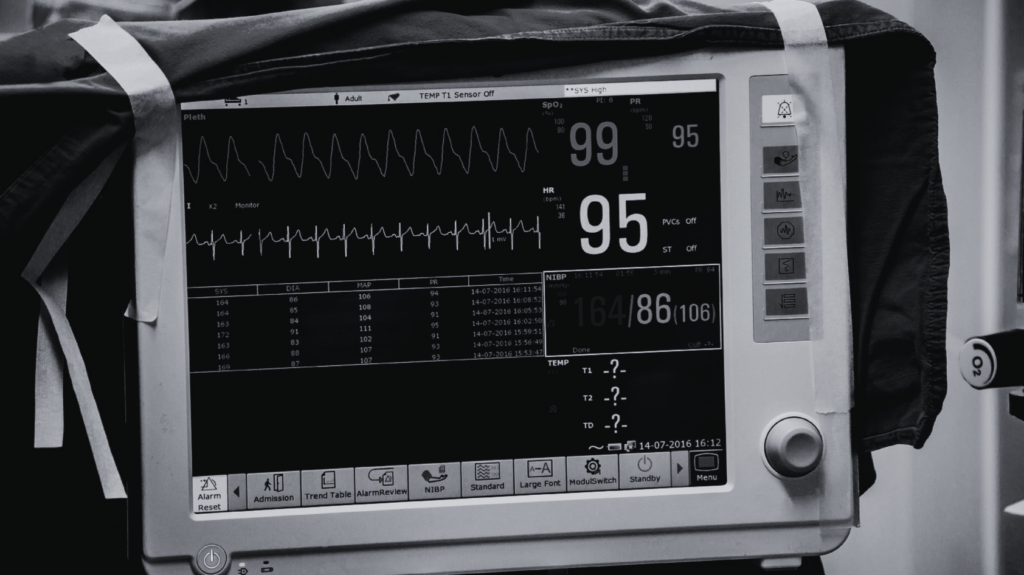
Delays in trauma transfer often come from switching monitors. This tip explains the case for portable monitoring from arrival, alongside early checks of oxygen supplies and transfer equipment, to reduce avoidable steps before CT or theatre.
TTL tip 4 is about getting your CODE RED instructions right, by developing the right mindset about what you want to achieve and why.
How should we assess children with one or two positive PECARN abdominal trauma criteria? This appraisal examines a secondary analysis of the prediction rule, the different risks associated with individual findings and the continuing role of clinical judgement and repeated assessment.