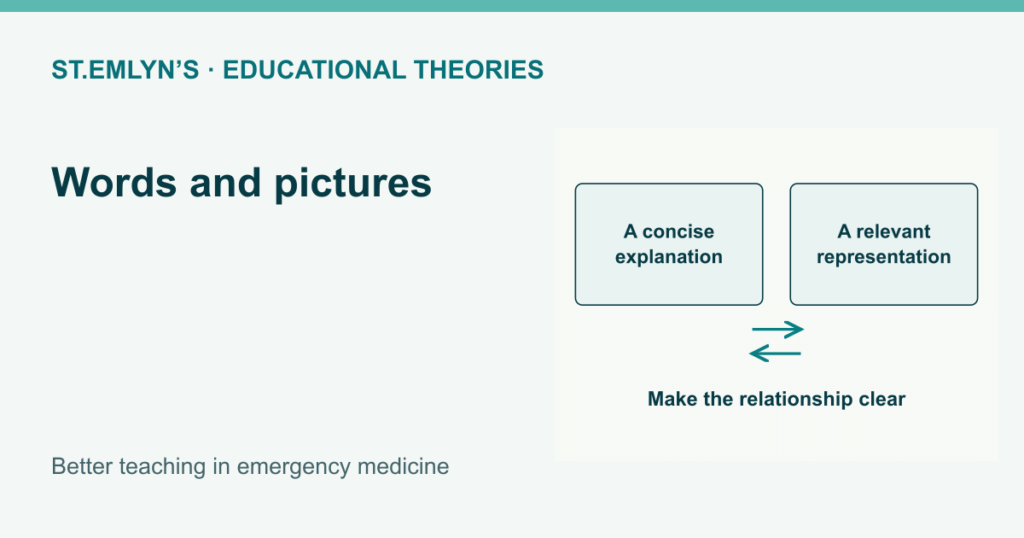
How can words and images work together to support learning? Nick Smith introduces dual-coding and related memory theories, with practical examples for slides, diagrams and teaching materials. He also explores how irrelevant visuals, crowded layouts and duplicated information can get in the way.
How are online networks changing medical education and research? This reflection on an EMERGE10 presentation explores finding, curating and evaluating information, engaging learners and sharing research. It also considers attention, communication and the relationship between publication metrics and influence in the social age.
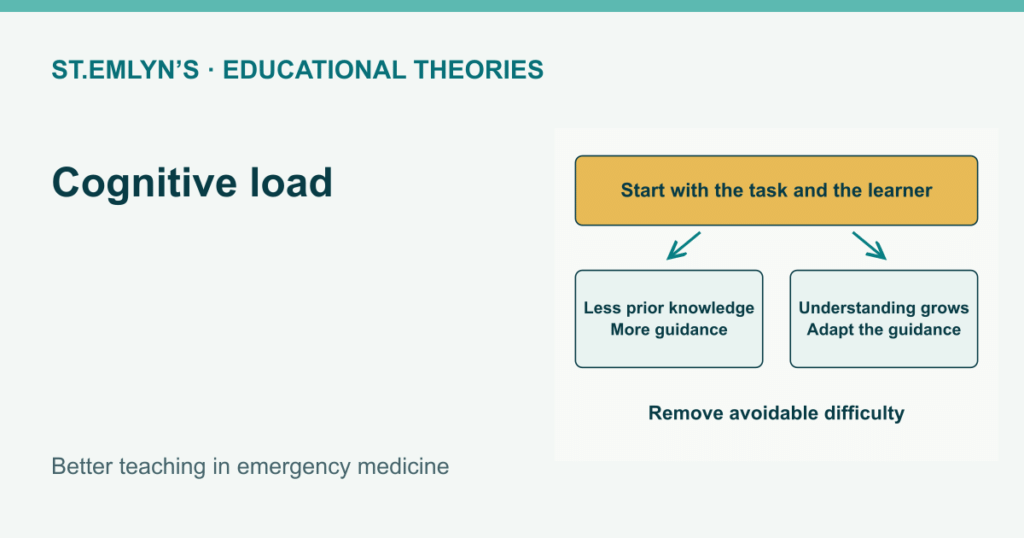
How can cognitive load theory help us teach? Nick Smith introduces the relationship between attention, working memory and prior knowledge, then considers its practical implications for presentations and clinical education. The discussion explores reducing unnecessary complexity, managing distractions and using questions and discussion to support learning.
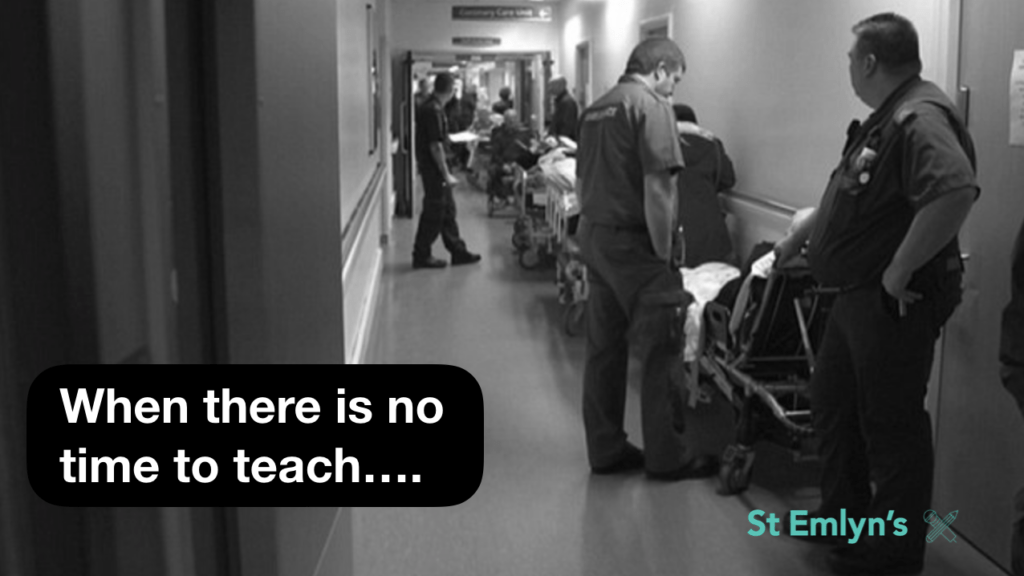
How can teaching fit into a busy emergency department? Simon Carley’s 2018 RSM presentation explores ways to make learning part of clinical work, including Post-it pearls, tailored FOAMed resources and structured hot debriefs. The emphasis is on preparation and practical approaches that need little time or money.
Why do clinical stories help learning stick? Simon Carley explores narrative learning in emergency medicine, from patient perspectives and the hidden curriculum to digital teaching. He considers confidentiality, the risks of reinforcing professional stereotypes and practical ways to build purposeful stories around evidence and learning goals.
Gareth reflects on preparing a CESR application after taking a non-standard route through emergency medicine training. This 2018 account explores gathering evidence, documenting competence and navigating portfolio requirements, with Natalie May adding her experience of specialist recognition in Australia.