How can clinicians take more control of their learning? Part two of Natalie May’s series explores memory, mental rehearsal, simulation and spaced repetition, then considers how preparing to teach, anticipating questions and reflecting on teaching can deepen the teacher’s own understanding.
Becoming a better learner starts with understanding yourself. In the first part of her series, Natalie May explores motivation, uncertainty, learning from failure and critical reflection, with practical questions for recognising knowledge gaps and seeking feedback that can change clinical practice.
An introduction to educational theories relevant to teaching in emergency and critical care. Prepared for the 2015 Teaching Course in New York, this collection links learning, assessment, deliberate practice and communities of practice, while encouraging educators to question theories rather than treat them as fixed rules.
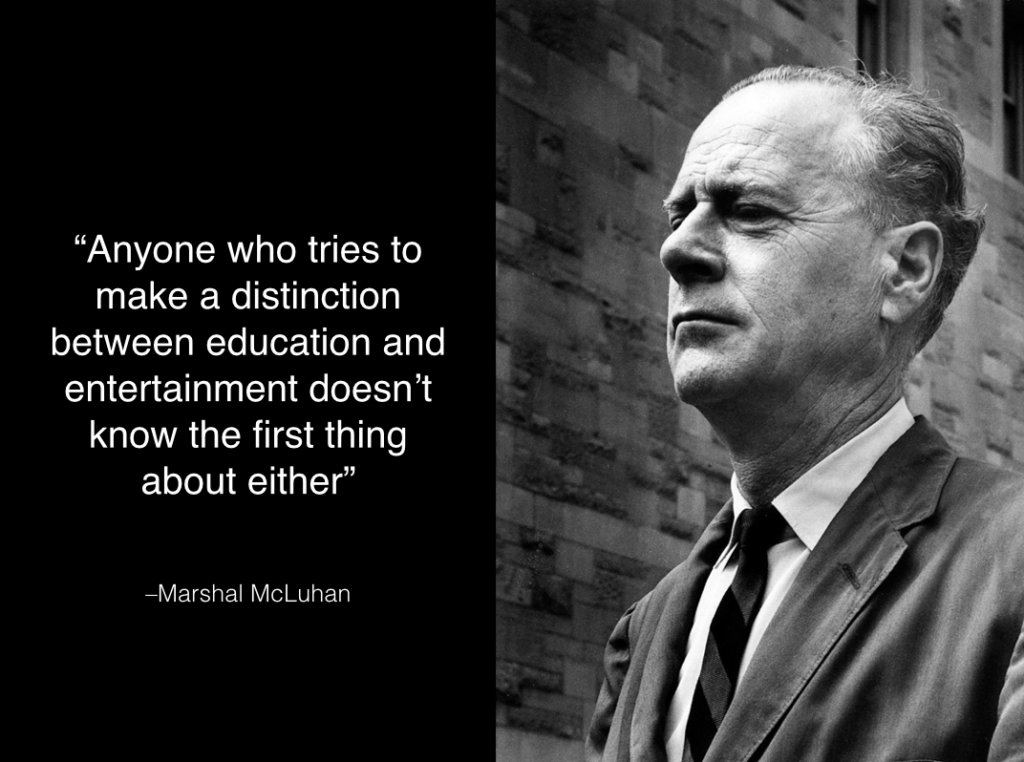
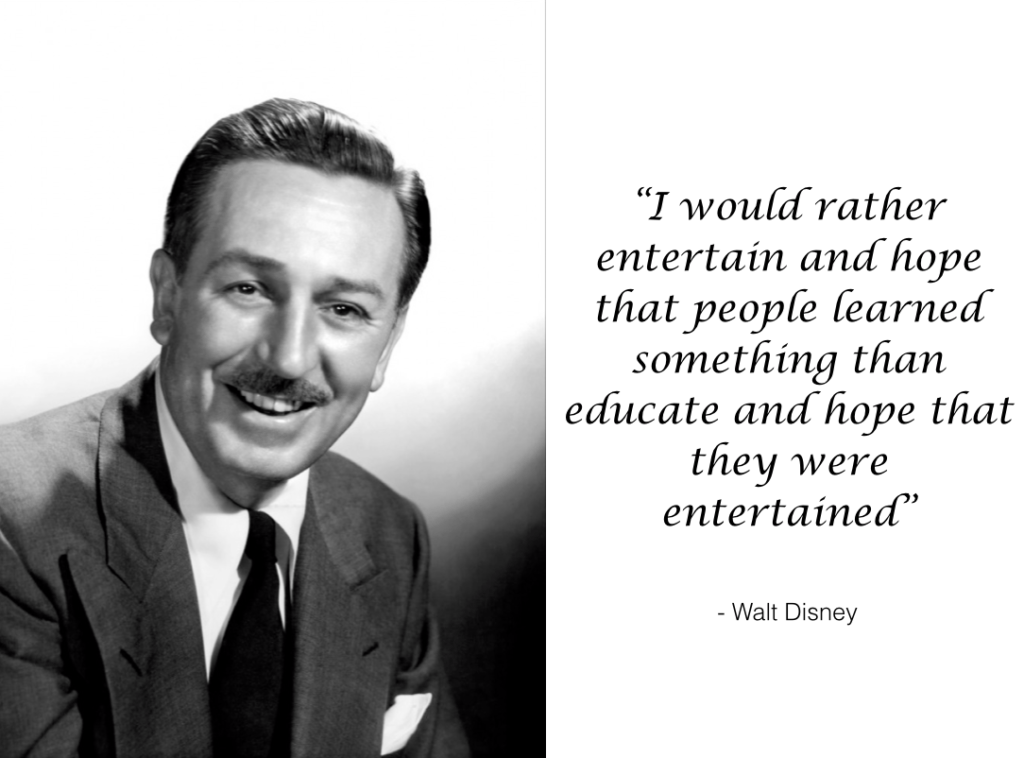
How can an engaging presentation lead to deeper learning rather than simply entertain? The final part of Simon Carley’s medutainment series considers delivery, follow-up learning and the risks of weak content, uncritical admiration, neglected everyday topics and commercial influence in medical education.
Why did entertainment become a more visible part of medical education? In this 2015 reflection, Simon Carley considers digital access to information, reusable online resources and changing conference expectations, arguing that stories and engaging delivery can help learners think beyond memorising facts.
What does medutainment mean, and where did it come from? Simon Carley introduces the blend of medicine, education and entertainment, tracing examples from public health broadcasting and medical demonstrations while making the case for engagement as one approach to teaching, rather than the only approach.