Asking “somebody” to prepare equipment or perform a task can leave nobody responsible. This blog illustrates why named task allocation, closed-loop communication and confirmation of readiness matter in time critical resuscitation.
Practical tips for open fracture management in resus: early antibiotics, neurovascular assessment, splinting, wound dressings and timely specialist care. #FOAMed on @stemlyns
Communication is SO important in the resus room. Making sure that your message is heard and understood is really important.
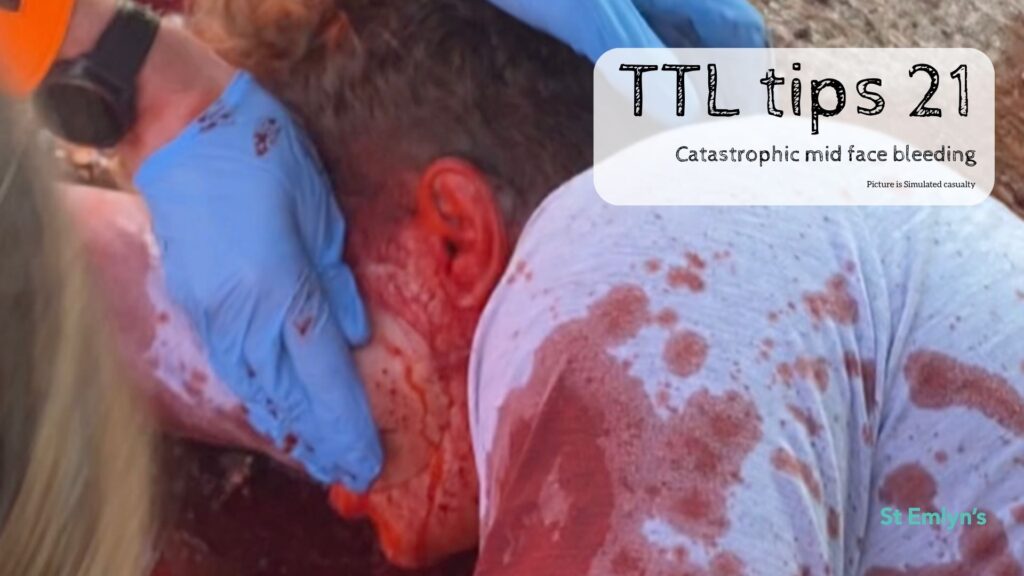
A practical guide to the “stacking” technique for catastrophic midface bleeding in an intubated patient. Covers airway protection, facial support and nasal balloon tamponade, alongside the team and equipment needed for this temporary rescue measure.
How can the trauma team leader help specialists agree a timely plan for a patient with a significant pelvic fracture? This guide focuses on coordinating resuscitation and bleeding control, resolving competing priorities and planning for deterioration or delay.
Finding one spinal fracture raises the question of injury elsewhere in the spine. This trauma team leader tip discusses the rationale for whole-spine imaging, the roles of CT and MRI, and circumstances that may call for a different approach.