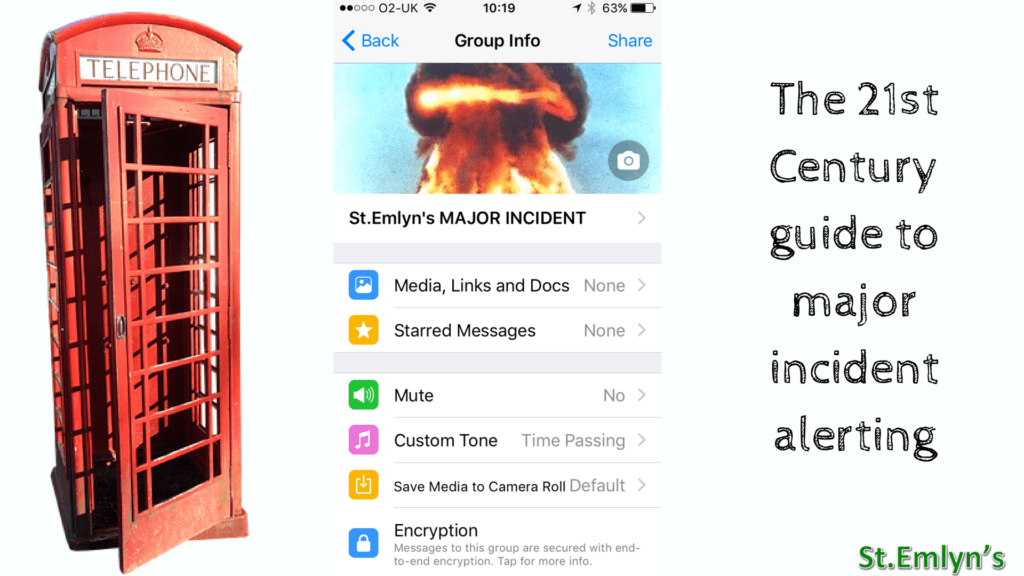
Drawing on the 2017 Manchester and London attacks, this post examines how hospitals alert and mobilise staff during a major incident. It discusses structured METHANE messages, coordinating responses and planning cover beyond the first wave, alongside the limitations of messaging groups.
Leadership is not reserved for the most senior person in the room. Reflections from a year with Sydney HEMS explore responding to hostility, supporting colleagues after difficult jobs, listening to every voice and recognising the value of everyday kindness and humility.
A tempting publication offer can leave an inexperienced author with an unexpected bill and an unusable paper. Mike Charlesworth and Lee Feddy argue that deception, inadequate supervision and poor journal selection deserve attention, rather than blaming open access itself.
Does intubation during in-hospital cardiac arrest improve survival? This 2017 appraisal examines a large US registry study that found an association with poorer outcomes, then considers confounding, missing procedural information and why observational data cannot settle the airway decision.
Could consultants gain more control over their working hours while maintaining department cover? Craig Ferguson explains how annualised hours and self-rostering work together in a shared spreadsheet, describing the flexibility achieved, the safeguards needed and the practical problems encountered.
What does an ED handover look like from the other side of the stretcher? Ashley Liebig draws on prehospital experience to discuss respect, a calm reception and uninterrupted communication, then asks teams to agree and practise a shared approach to transferring care.