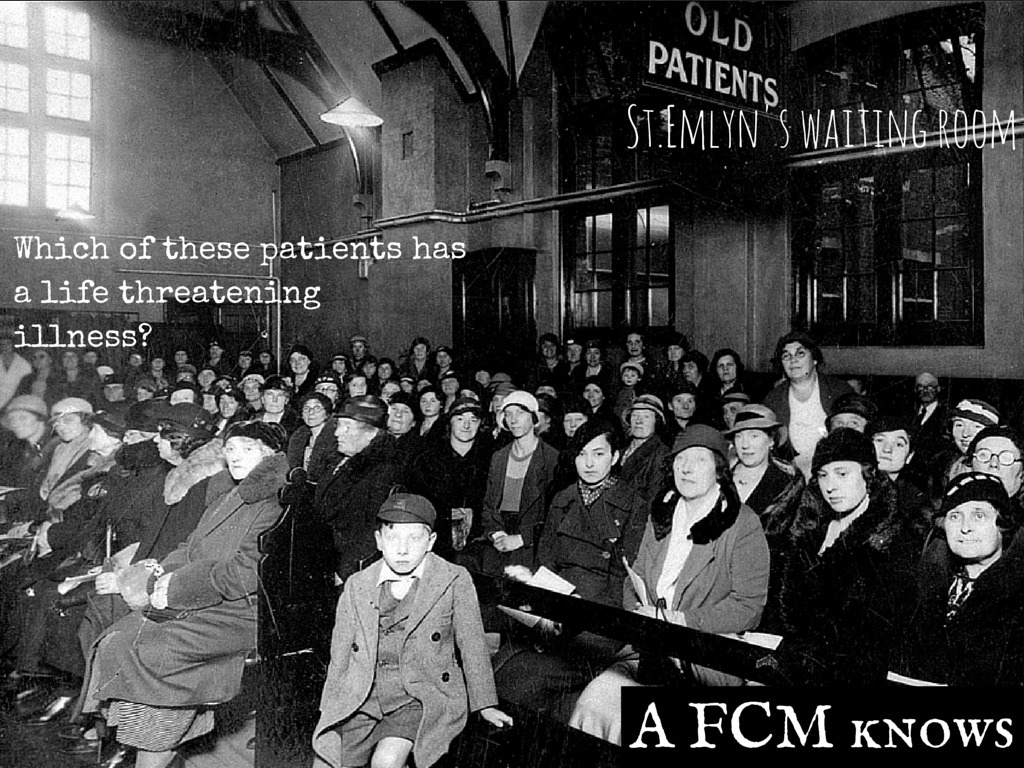
Why is ‘I don’t know’ so hard to say? Drawing on Think Like a Freak, this reflection explores intellectual humility, curiosity, reframing problems and seeking useful feedback, asking how ideas from outside medicine can help emergency clinicians recognise their limits and approach difficult decisions differently.
What can competitive simulation teach us about working with an unfamiliar resuscitation team? Simon Carley looks back at SIMWARS at SMACC Gold, exploring communication, leadership, teamwork and the tension between education and entertainment, with a recording of the event and reflections on performing under pressure.
A satirical ‘Fellowship of Corridor Medicine’ introduces a serious discussion of emergency department overcrowding. Simon Carley follows the spoof with practical reflections on departmental leadership, communication, sharing risk across the hospital and supporting patients and staff when demand overwhelms the space available for safe care.
Why does accurate emergency department coding matter beyond hospital income? This 2014 podcast introduction explains the English payment system used at the time and how incomplete records can distort accounts of the care patients receive, encouraging clinicians to record investigations, treatment and discharge information carefully.
How do you make simulation work in the department where your team actually practises? Simon Carley shares lessons on choosing learning goals, finding simple equipment, involving the whole team, protecting patients and participants, and using debriefs to turn everyday scenarios into improvements in teamwork and systems.
Rich Carden uses Star Wars and Robert Cialdini’s principles of persuasion to explore everyday interactions in emergency medicine. The reflection connects reciprocity, consistency, social proof, liking, authority and scarcity with referrals, teamwork and diagnostic bias, encouraging awareness of psychological influences rather than manipulation of patients or colleagues.