How can an ED make its leadership and development roles clearer? Southampton’s collaboratively written leadership portfolio sets out duties, accountability and allocated time, helping consultants and specialty doctors use job planning to agree expectations and review their non-clinical work.
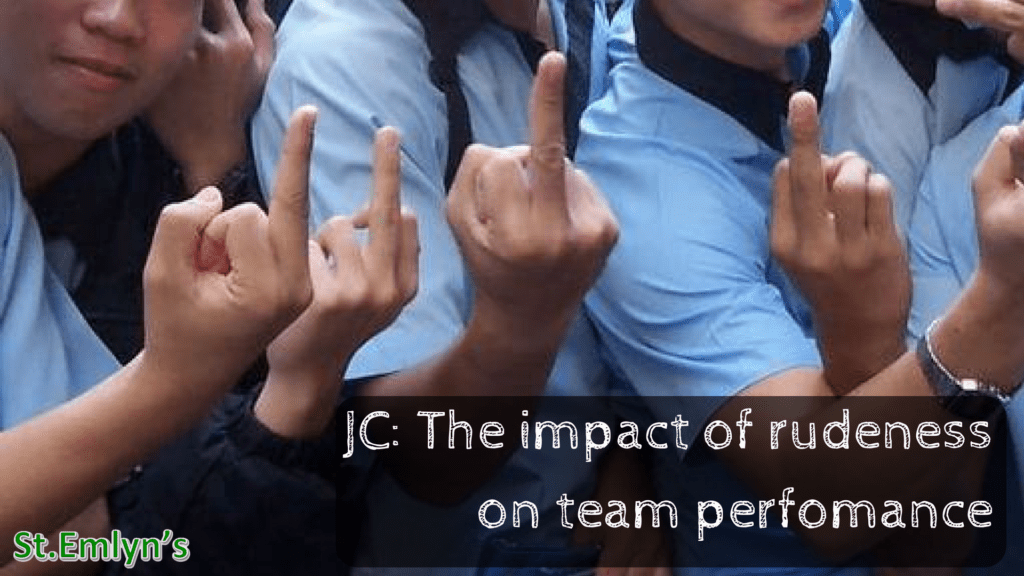
Can a rude comment disrupt clinical teamwork? This 2016 appraisal examines a randomised neonatal simulation study in which rudeness impaired performance and information sharing, then considers the limits of transferring those findings to real care and the implications for everyday professional behaviour.
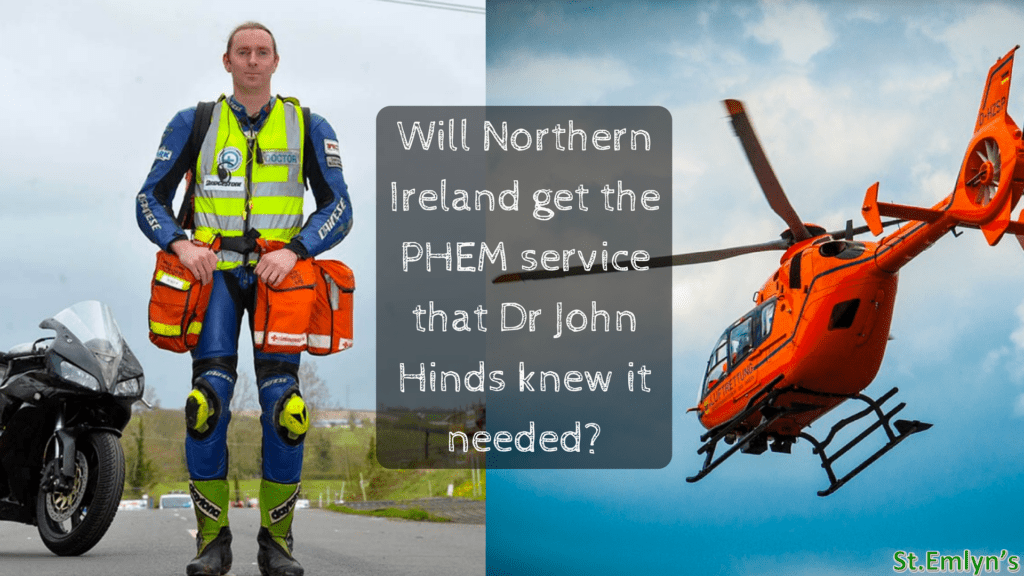
An archived account of the 2016 campaign for a physician-paramedic helicopter service in Northern Ireland, inspired by Dr John Hinds. The post explains the staffing argument and includes a subsequent update reporting the health minister’s support for a physician-based model.
What happens when clinical work makes us afraid? In this companion to his SMACC Dublin talk, Ross Fisher reflects on recognising fear, its effects on performance and teamwork, and the value of colleagues who support us through it.
Why did emergency medicine examination and training outcomes vary by ethnicity, region and training pathway? This 2016 discussion of GMC data examines differential attainment, challenges easy explanations and asks educators to reflect on bias, supervision and their responsibilities to trainees.
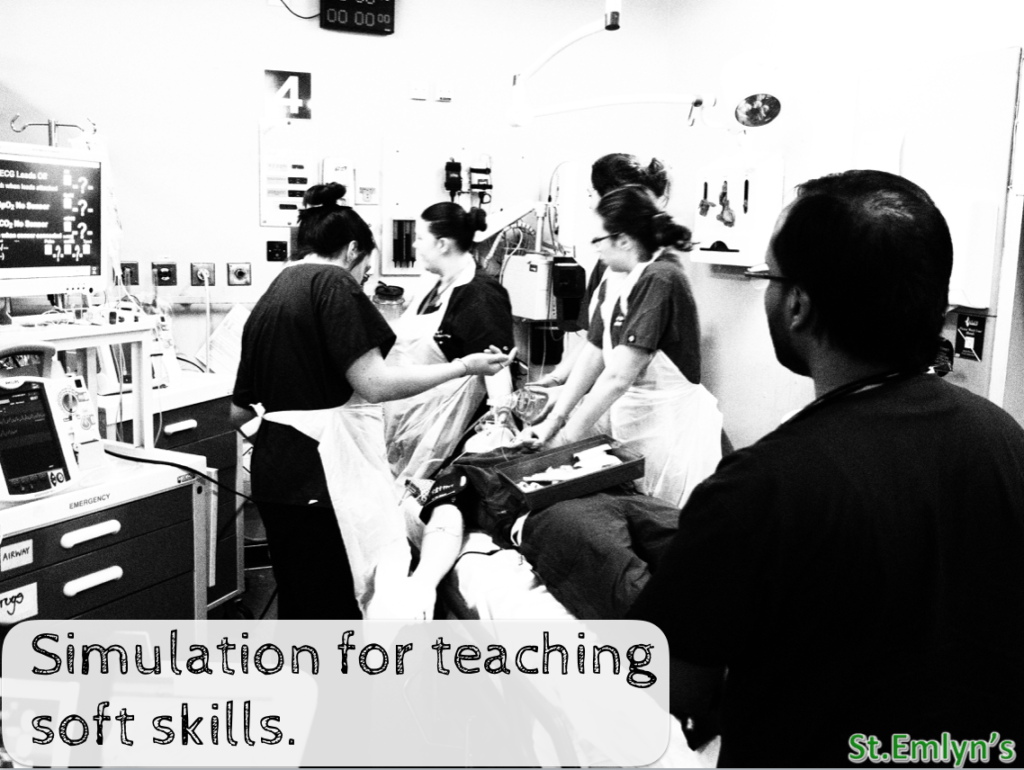
How can simulation develop the relationships and attitudes that shape clinical teamwork? Drawing on a EuSEM 2016 talk, this post explores training in the workplace, involving the whole team in debriefs and using learning conversations to understand behaviour under pressure.