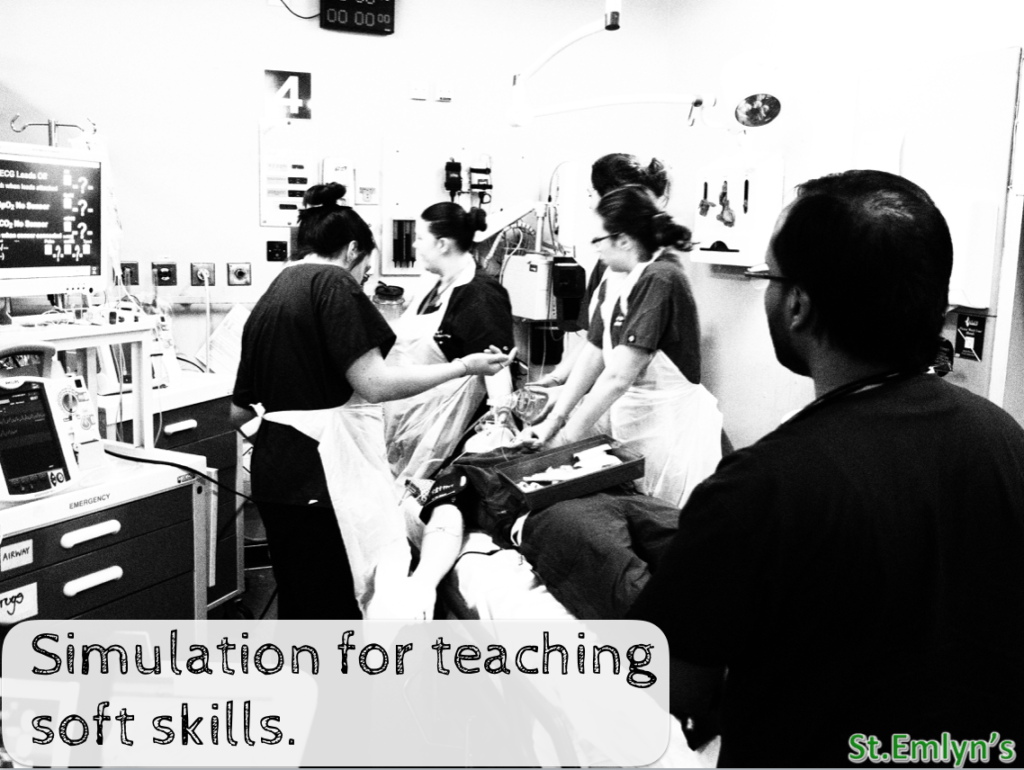
How can simulation develop the relationships and attitudes that shape clinical teamwork? Drawing on a EuSEM 2016 talk, this post explores training in the workplace, involving the whole team in debriefs and using learning conversations to understand behaviour under pressure.
Ambition, setbacks and fatigue can all affect a career in emergency medicine. This reflection explores realistic training goals, fear of failure, the move to consultant practice and life outside work, with attention to colleagues both within and outside formal training programmes.
What forces might reshape emergency medicine over the next two decades? This companion to Simon Carley’s 2016 SMACC Dublin presentation introduces three linked discussions of demographics, technology and politics, inviting readers to look beyond today’s clinical workload to the specialty’s future.
What does counting conference speakers reveal about gender equity? This 2016 report examines EM programmes from 2014–2015, comparing women’s representation with the specialist workforce and considering speaking time, methodological limitations and the questions that simple headcounts leave unanswered.
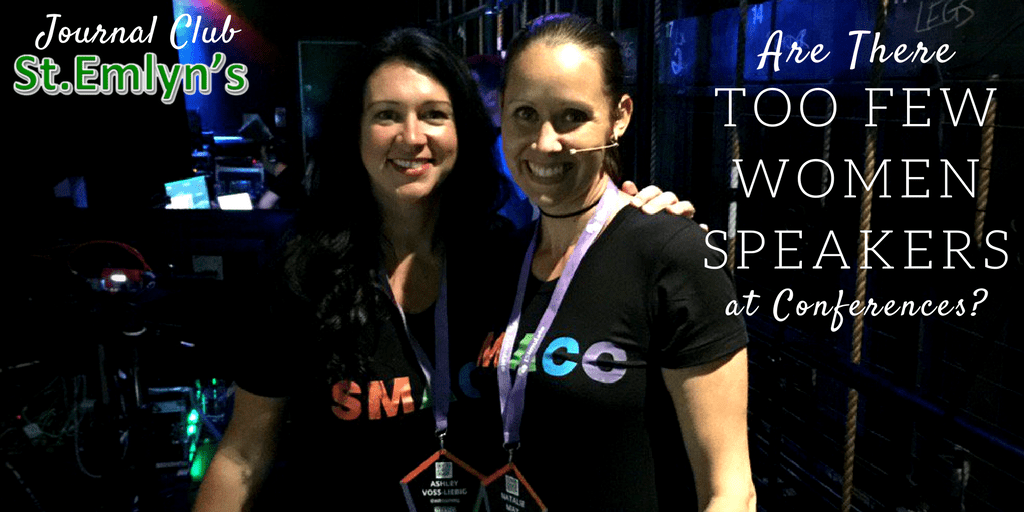
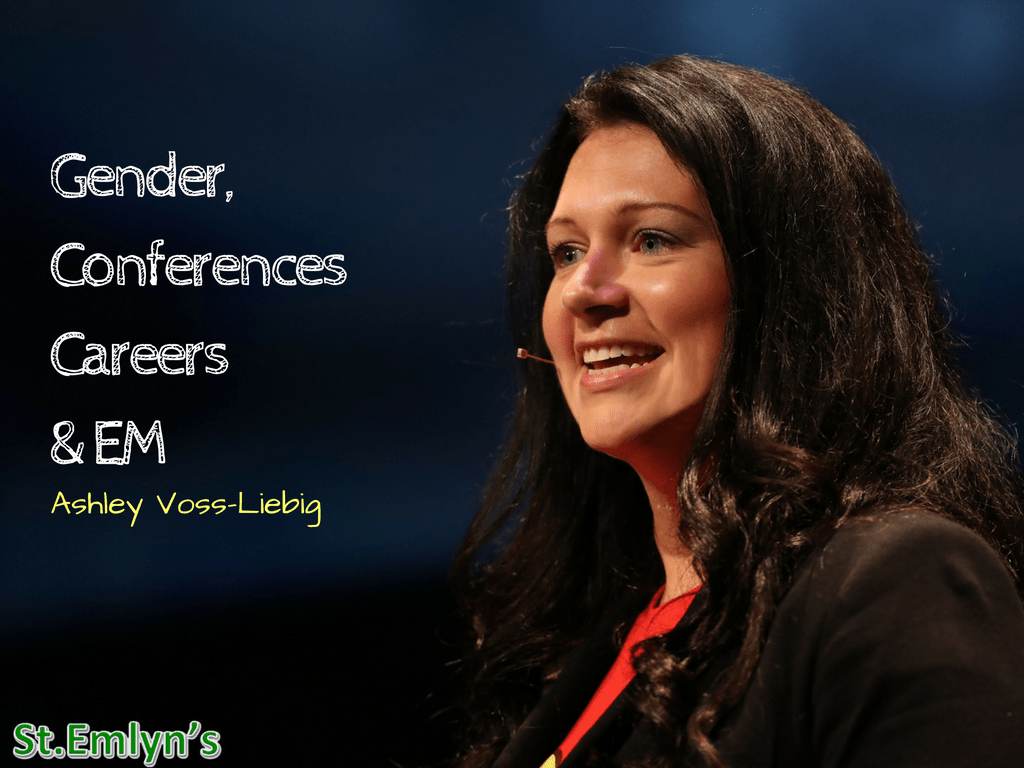
Ashley Voss-Liebig reflects on how research into conference speakers challenged her assumptions about women’s participation in emergency medicine. This 2016 commentary moves beyond speaker numbers to ask how mentoring, visible role models and removing barriers might support women’s careers in the specialty.
What makes emergency medicine trainees feel valued and supported? Reflecting on conversations with trainees in 2016, this post argues for meaningful feedback, supervisors who understand the curriculum, accessible consultant support and fairer rotas as investments in the specialty’s future.