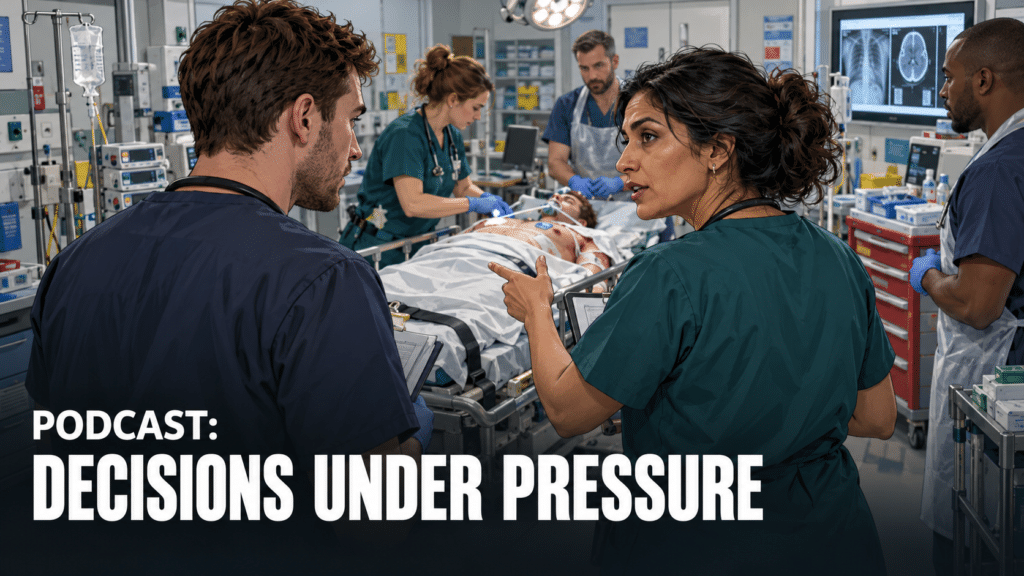
How do you decide when you don't have all the information? Iain Beardsell revisits Tactical Trauma to explore the judgements behind major incident care, triage, eCPR and trauma ECMO.
Good listening strengthens patient safety, trust and teamwork—but distraction makes it increasingly difficult. Explore the five levels of listening and practical ways healthcare professionals can become more attentive, empathic listeners.
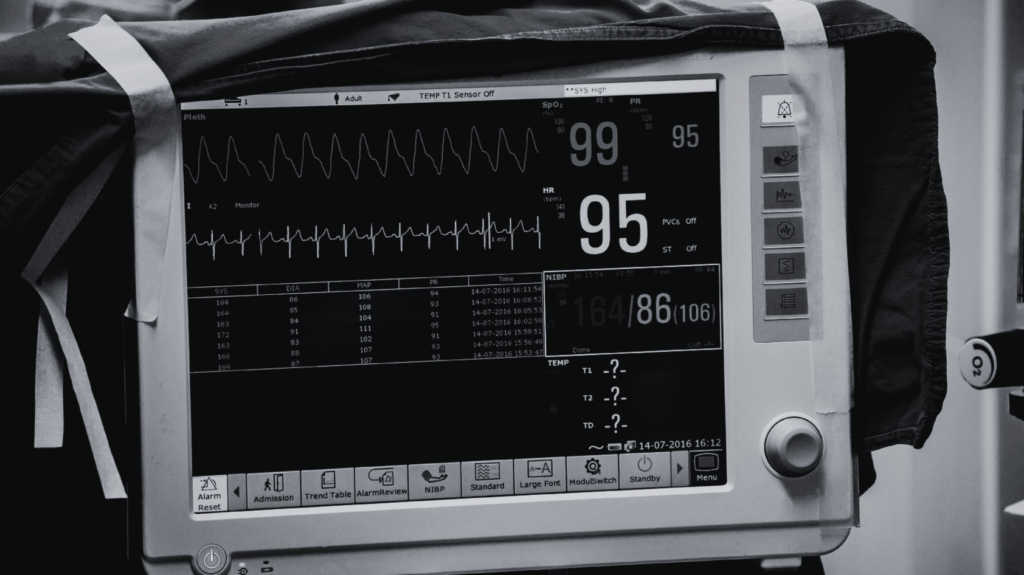
Delays in trauma transfer often come from switching monitors. This tip explains the case for portable monitoring from arrival, alongside early checks of oxygen supplies and transfer equipment, to reduce avoidable steps before CT or theatre.
When something goes wrong in healthcare, another training module is often the default response. Jesse Spurr examines the costs of that reflex and offers six steps for deciding when training is useful and when the system needs to change.
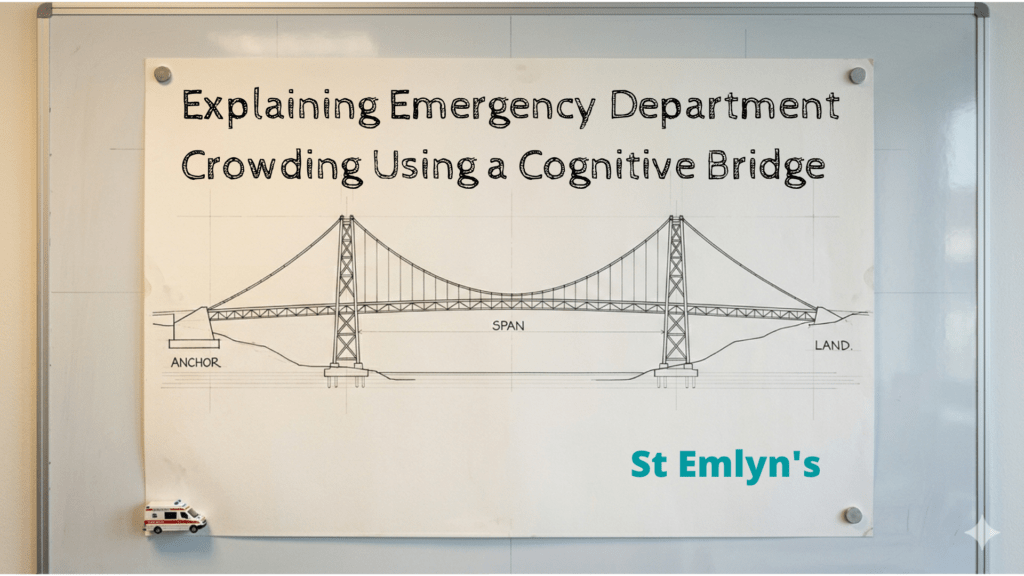
Emergency Department crowding is hard to explain to non-clinical audiences. A cognitive bridge is a three-step tool to help others understand.
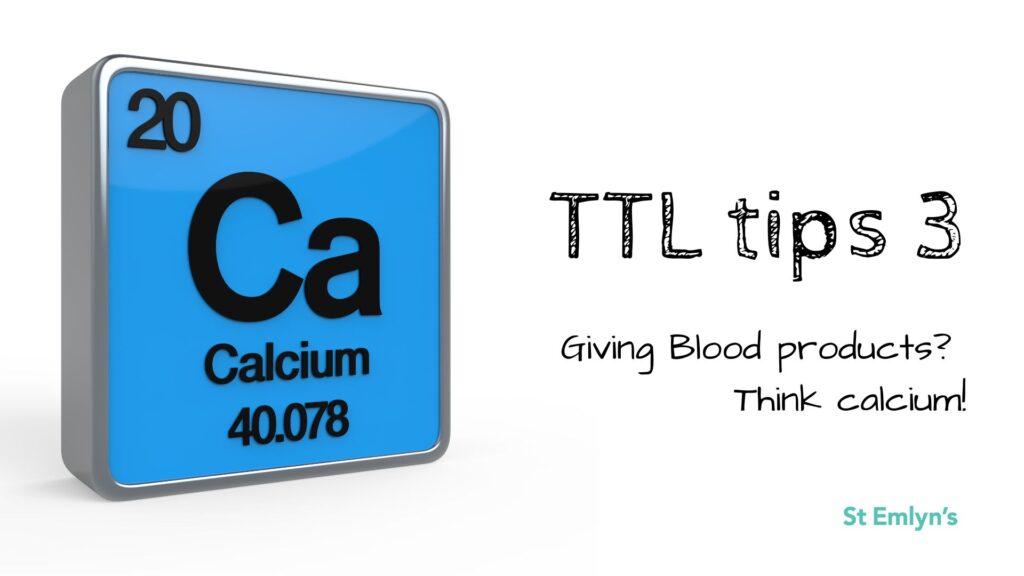
This case-based TTL tip examines calcium depletion during major trauma resuscitation and blood transfusion. It covers recognising the problem, repeating blood gas checks and considering calcium replacement as resuscitation continues.