Tranexamic Acid (TXA) in Head Injury: CRASH-3 results
A review of the CRASH-3 trial and whether tranexamic acid (TXA) is of benefit in traumatic brain injury patients.
Tranexamic Acid (TXA) in Head Injury: CRASH-3 results Read More
Stay up to date with the latest research in emergency and acute care. Our journal club posts critically appraise new studies, discuss their clinical relevance, and explore how evidence can inform practice.
A review of the CRASH-3 trial and whether tranexamic acid (TXA) is of benefit in traumatic brain injury patients.
Tranexamic Acid (TXA) in Head Injury: CRASH-3 results Read More
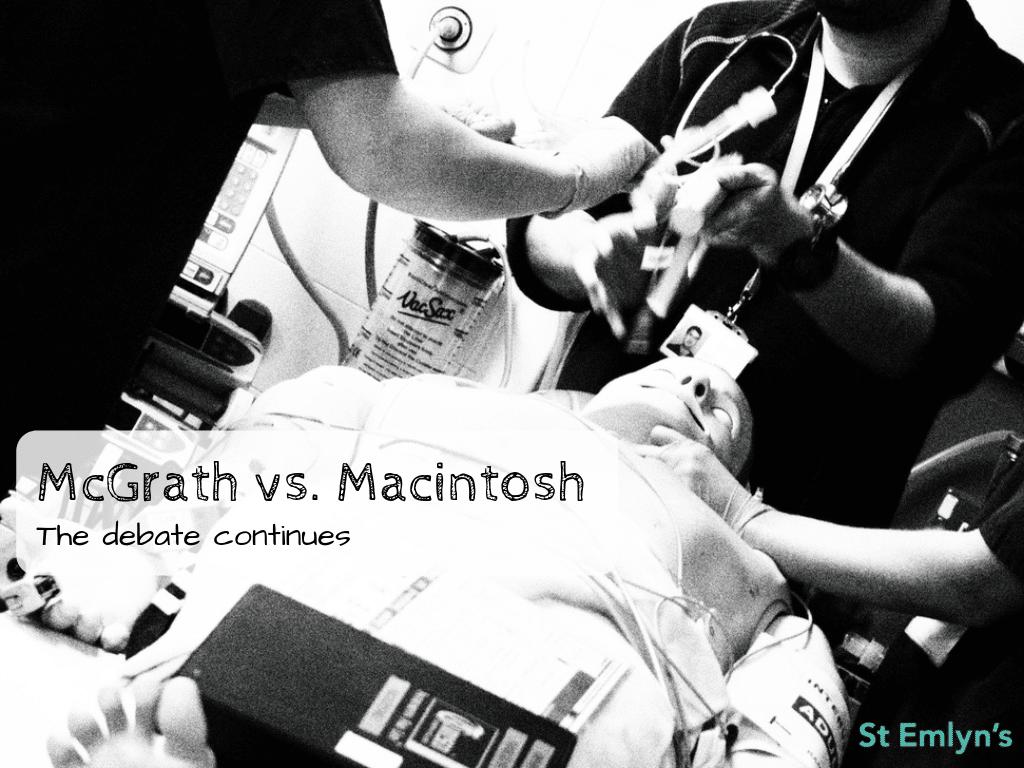
There has been an ongoing debate about the use of video laryngoscopy (VL) in emergency and critical care1–4. Proponents speak of the better visibility and ability to teach using video
JC: Macintosh vs. McGrath laryngoscopy in pre-hospital care. Read More
The management of the patient with apparent lower GI (gastro-intestinal) bleeding is, in my experience at least, somewhat variable. Unlike upper GI bleeding where the standards and expectations are reasonably
JC: Lower GI bleeding guidance Read More
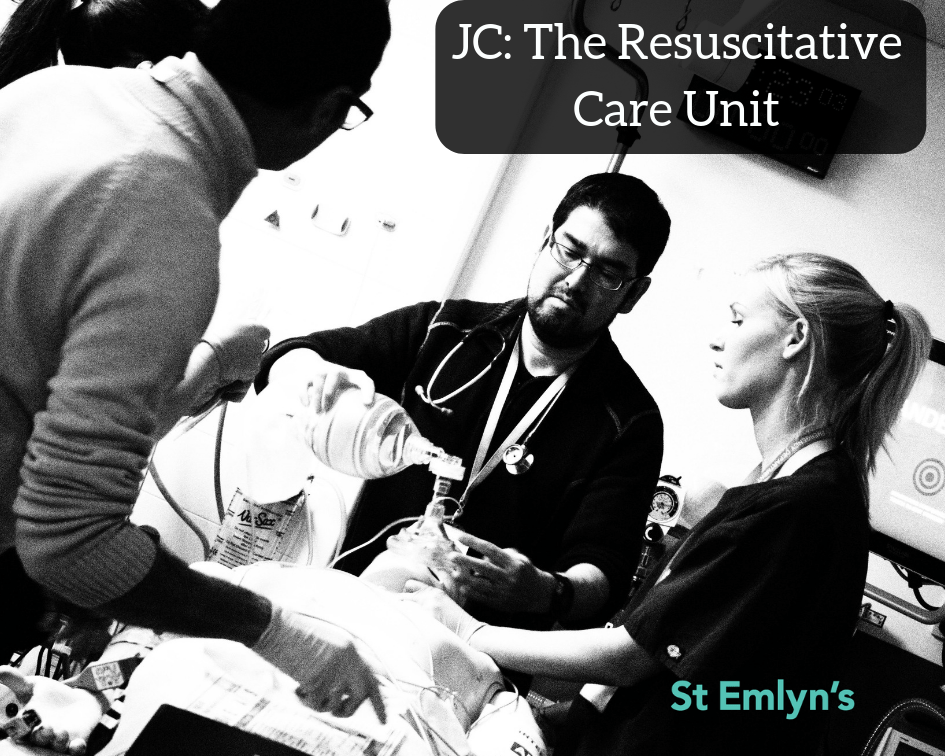
Ordinarily when we bring a Journal Club post, it’s because we want to present some form of data that can make a difference to your clinical practice. This week it’s
JC: The Resuscitative Care Unit. St Emlyn’s Read More
No one likes getting a pulmonary embolism. Or a deep vein thrombosis. And because about 60% of all blood clots are associated with hospitalisation for acute illness1, we take the
Clot’s the Problem? Vena Cava filters in trauma patients. St Emlyn’s Read More
For as long as I can remember I’ve been told that it is possible to analyse marrow from an intra-osseous (IO) needle. It’s been taught on lots of APLS courses
JC: Can we really use IO blood for analysis? St Emlyn’s Read More
Ed – At the SMACC conference our good friend and simulation guru Jesse Spurr 1 talked about virtual reality as a future technique for education and for therapy. It’s an
JC: Virtual Reality for Distraction from Paediatric Procedural Pain Read More
This is a question that we’ve addressed on the blog before and the evidence has been a little conflicting1–6. From a pathophysiological perspective the logic of using closed chest compressions
Should we use chest compressions in traumatic cardiac arrest? Read More