Does apnoeic oxygenation reduce desaturation during intubation of critically ill adults? This 2015 appraisal of the FELLOW trial examines its ICU population, oxygen-saturation outcomes and methodological limitations, asking how far the findings can be applied to emergency department airway practice.
What are the thromboembolic risks when prothrombin complex concentrate is used to reverse warfarin-associated intracranial bleeding? This 2015 appraisal examines a retrospective study, the importance of previous venous thromboembolism and the limitations of drawing conclusions from a different reversal regimen and clinical setting.
How can emergency clinicians keep up with the literature without being overwhelmed? Natalie May compares journal clubs, alerts, RSS feeds, online appraisals and social media in this 2015 overview, weighing the effort, access and critical appraisal involved in building a personal approach.
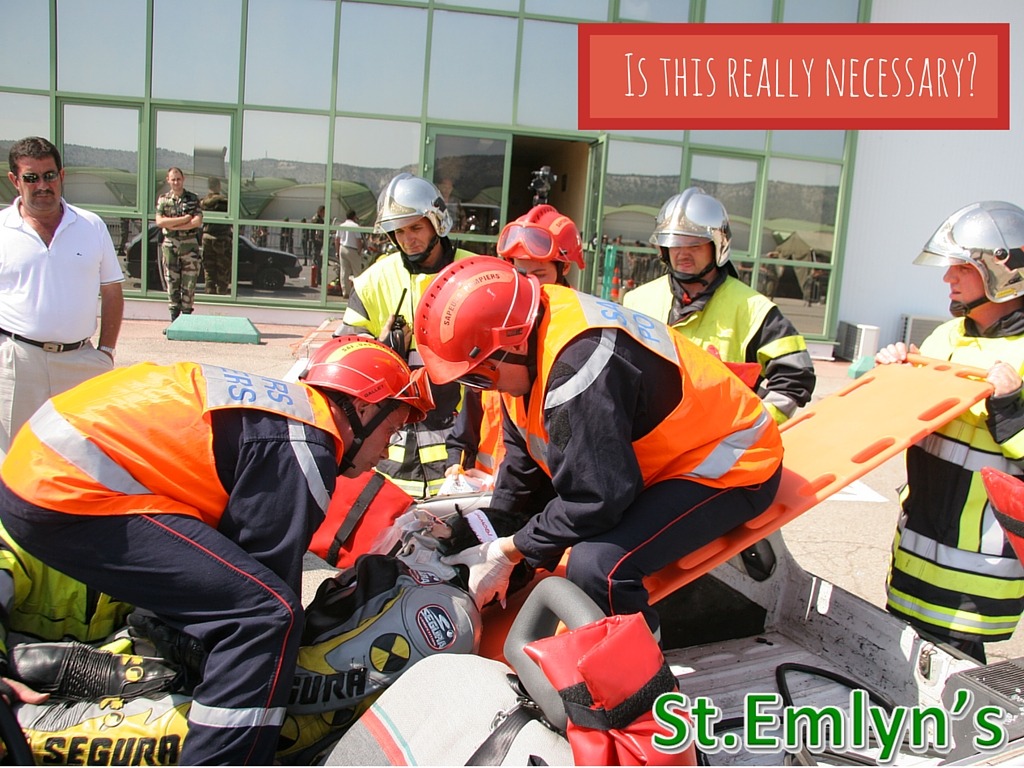
Does helping someone out of a car reduce cervical spine movement compared with self-extrication? This 2015 appraisal examines a small biomechanical study of six techniques, while emphasising that uninjured volunteers cannot establish which approach is safest for patients with pain or spinal injury.
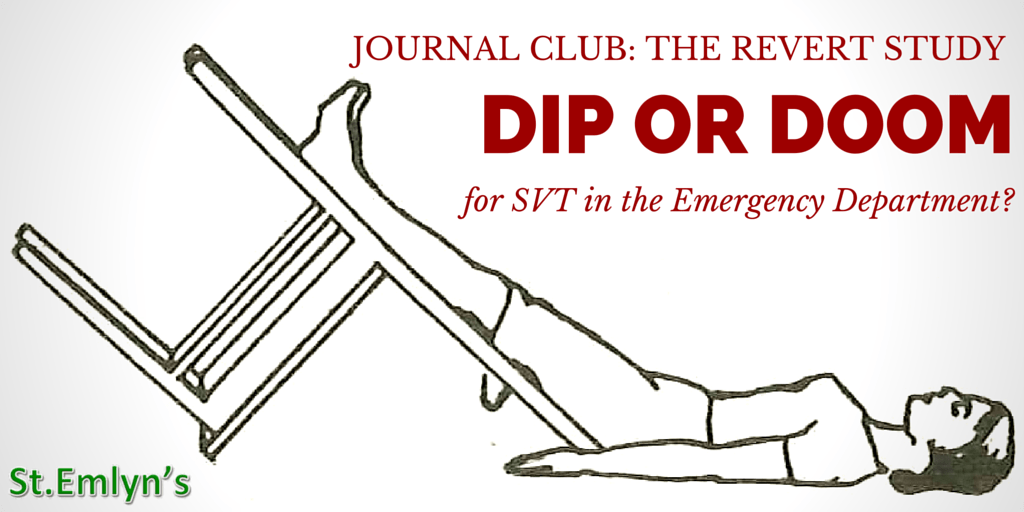
The 2015 REVERT trial compared a modified Valsalva manoeuvre with the standard technique in adults with stable supraventricular tachycardia. This appraisal examines conversion to sinus rhythm, the need for further treatment and practical questions about applying the findings in the emergency department.
What counts as a normal respiratory or heart rate in a child? This 2015 appraisal examines emergency department centile data, compares published reference ranges and considers how rounded measurements and uneven age groups affect interpretation. It asks how confidently these observations can inform clinical assessment.