The second day of badEMfest 2018 combines practical emergency care with questions about leadership and humanity. This report covers paediatric problems, imaging in pregnancy, trauma resuscitation and South African emergency services, alongside feedback, staff support, sleep and kindness in clinical encounters.
What information do we lose when a test result becomes simply ‘positive’ or ‘negative’? Using biomarkers and the T-MACS model, this reflection explores continuous measurements, diagnostic probability and shared decisions. It asks whether yes-or-no labels obscure distinctions that matter to an individual patient.
Ashley Liebig reflects on caring for Noah Galloway after his injuries in Iraq and the friendship that followed. Their shared story explores what patients remember: our words, preparation, respect for privacy and everyday kindness, and how those experiences can shape both recovery and a clinician’s practice.
How can feedback help clinicians and teams improve? Drawing on a 2018 conference session in Graz, Simon Carley distinguishes appreciation, coaching and evaluation. He explores receiving difficult feedback, agreeing its purpose, peer observation and the practical choices that make a conversation more useful.
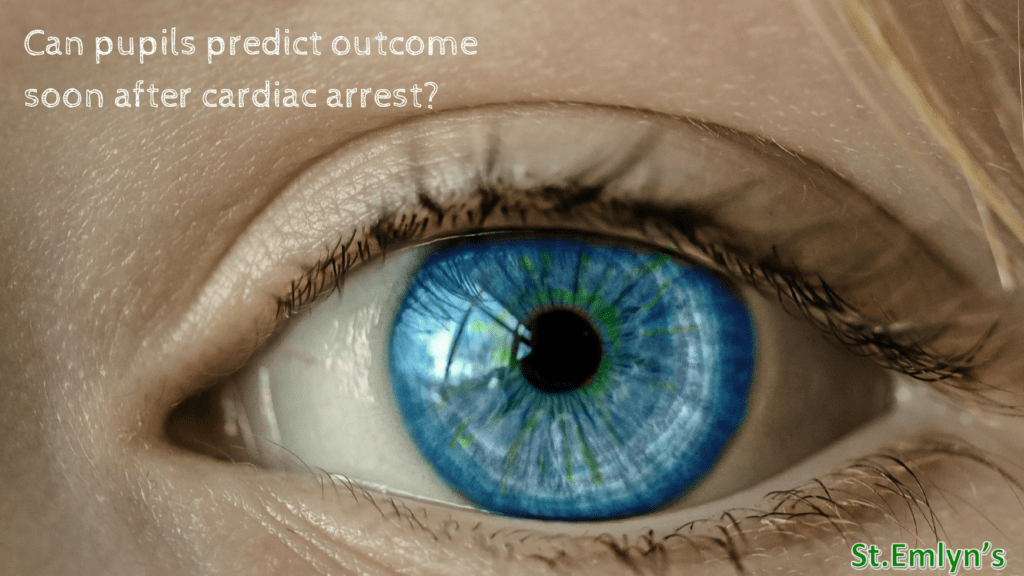
What can early pupil responses tell us after cardiac arrest? This 2018 review examines a large French observational study, separating association with outcome from the ability to predict an individual patient’s recovery. It challenges decisions based on a single early finding and considers how prognosis is discussed.
The opening day of badEMfest 2018 puts equality, advocacy and African-led solutions at the centre of emergency care. This report brings together discussions of traditional medicine, respectful transgender care, point-of-care ultrasound and resuscitation, asking how local context and unequal access shape what clinicians can achieve.