The UK TETRiS study provides new evidence on resuscitative thoracotomy in traumatic cardiac arrest. We examine survival, the differences between cardiac tamponade and exsanguination, the importance of arrest duration, and what the findings mean for emergency and prehospital clinicians.
Small penetrating wounds can conceal serious rectal injury. This TTL tip explores examination, the limitations of DRE and CT, and the importance of early senior surgical assessment.
Asking “somebody” to prepare equipment or perform a task can leave nobody responsible. This blog illustrates why named task allocation, closed-loop communication and confirmation of readiness matter in time critical resuscitation.
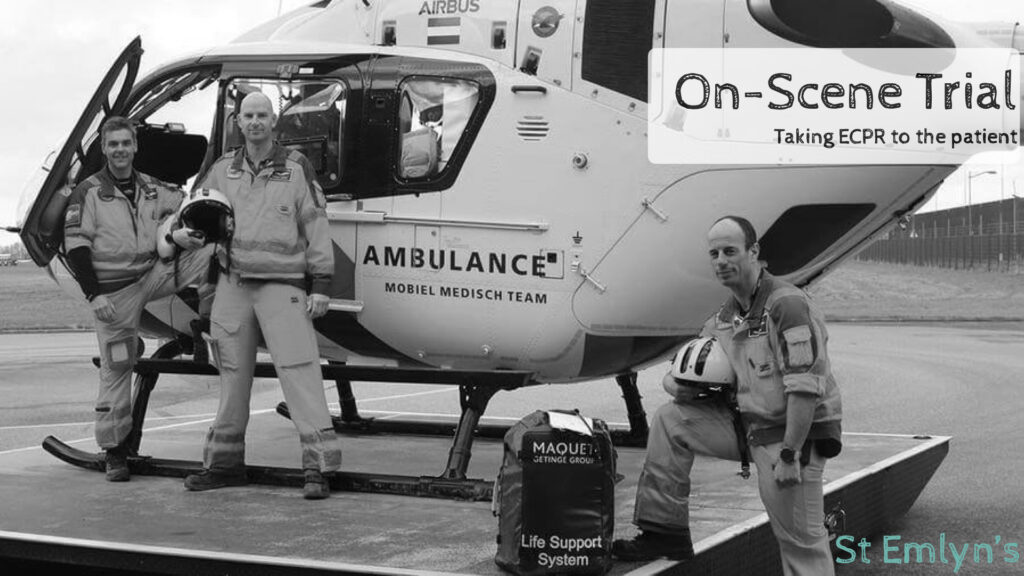
The On-Scene study reports almost double the survival to hospital discharge in selected patients with refractory out-of-hospital cardiac arrest treated within a prehospital ECPR-capable system. With survival of 40% versus 20%, and substantially shorter times to extracorporeal circulation, could bringing ECMO to the patient transform cardiac arrest care? We examine the findings, limitations and implications for emergency medicine, HEMS and future resuscitation systems.
Practical tips for open fracture management in resus: early antibiotics, neurovascular assessment, splinting, wound dressings and timely specialist care. #FOAMed on @stemlyns
Could the NHS cope with a major conflict? In Part 2 of our St Emlyn's briefing, we explore how military casualties, reduced hospital capacity, infrastructure disruption and workforce pressures could affect everyday emergency care — and why we need to start preparing now.