Finding one spinal fracture raises the question of injury elsewhere in the spine. This trauma team leader tip discusses the rationale for whole-spine imaging, the roles of CT and MRI, and circumstances that may call for a different approach.
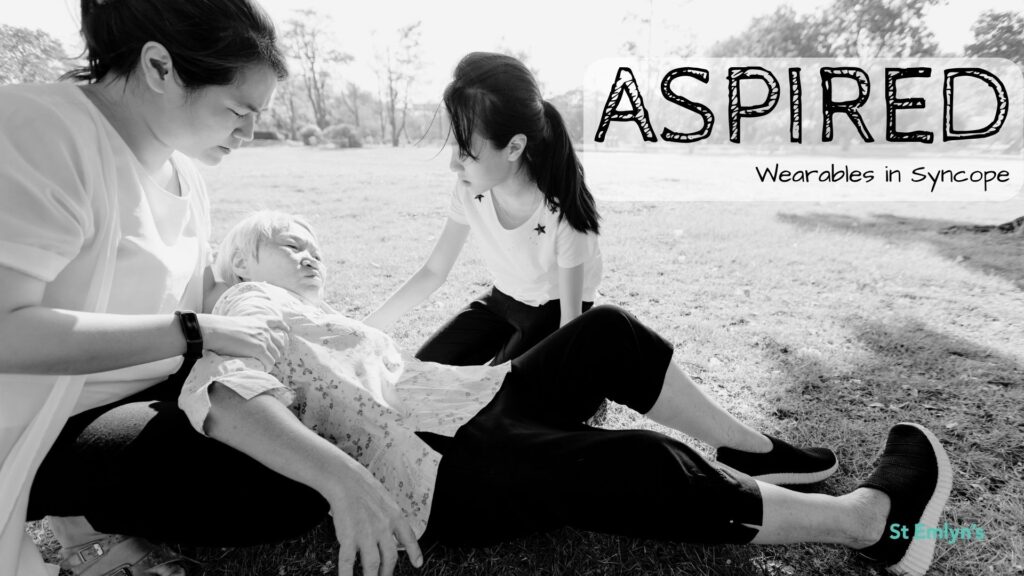
Does early ambulatory ECG monitoring help after unexplained syncope? This review of ASPIRED weighs increased arrhythmia detection and treatment changes against the lack of improvement in recurrent syncope, and explores the practical questions for an emergency care pathway.
The RCEM Annual Conference comes to Manchester on 13–15 April 2027. Simon Carley invites colleagues from the UK and around the world to share research, education and ideas, with emergency medicine across borders among the developing programme's themes.
Good listening strengthens patient safety, trust and teamwork—but distraction makes it increasingly difficult. Explore the five levels of listening and practical ways healthcare professionals can become more attentive, empathic listeners.
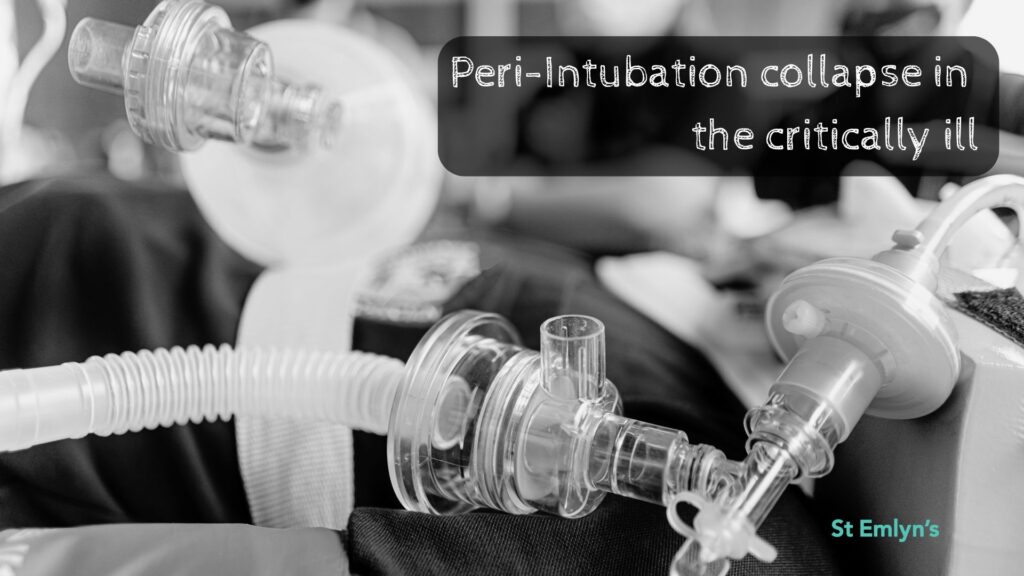
What does the INTUBE cohort tell us about cardiovascular instability around intubation? This appraisal examines the association with propofol, the limits of observational evidence and what the findings may mean for induction drug choices in emergency and prehospital care.
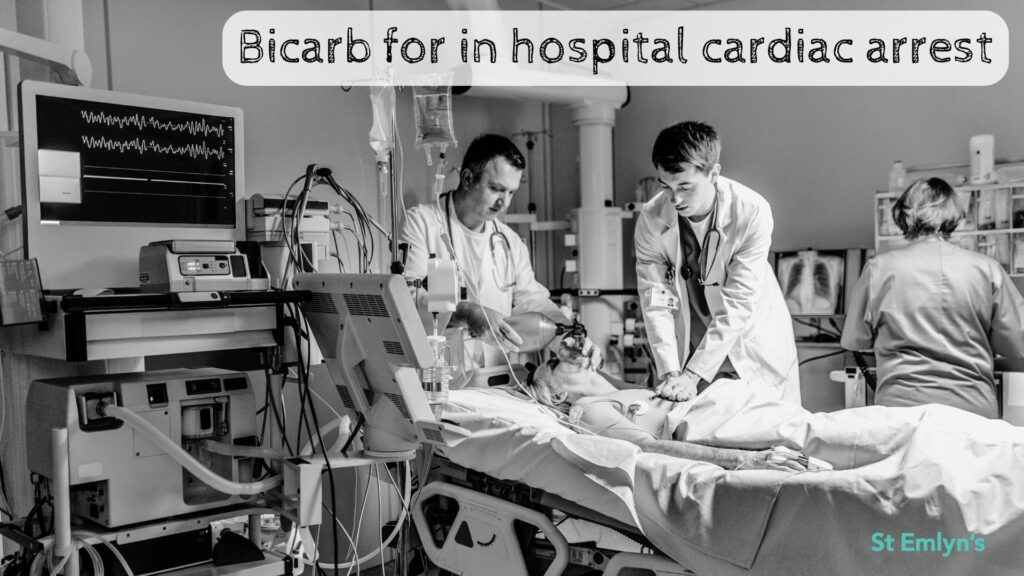
Routine sodium bicarbonate has largely disappeared from modern ALS algorithms, but it continues to be used in many cardiac arrests. We review the BIHCA trial and discuss what it means for emergency physicians and prehospital clinicians.