Anand Swaminathan revisits his SMACCDub argument for considering thrombolysis in selected patients with submassive pulmonary embolism. This 2017 opinion piece weighs possible functional benefits against major bleeding, emphasising patient selection, shared decisions and the uncertainty in the evidence available then.
Moving a critically ill patient from the ED can be a high-risk part of their care. Natalie May and Simon Carley’s podcast notes explore patient preparation, equipment, team selection and handover, with contingency plans for delays, deterioration and airway problems.
Does love have a place in critical care? In this companion to her SMACCDub talk, Liz Crowe explores compassion for patients, colleagues and ourselves, arguing that human connection, supportive leadership and psychological safety belong alongside clinical expertise.
How should emergency medicine education change when information is instantly available and learning crosses borders? This 2017 talk companion challenges fact-recall assessments, explores personal learning networks and argues that online engagement must be accompanied by critical appraisal skills.
A sceptical 2017 appraisal of a systematic review of intravenous thrombolysis for acute stroke. The post examines functional outcomes, bleeding and mortality, showing how interpretation of benefits and harms fuels disagreement; it presents the author’s historical critique rather than current treatment guidance.
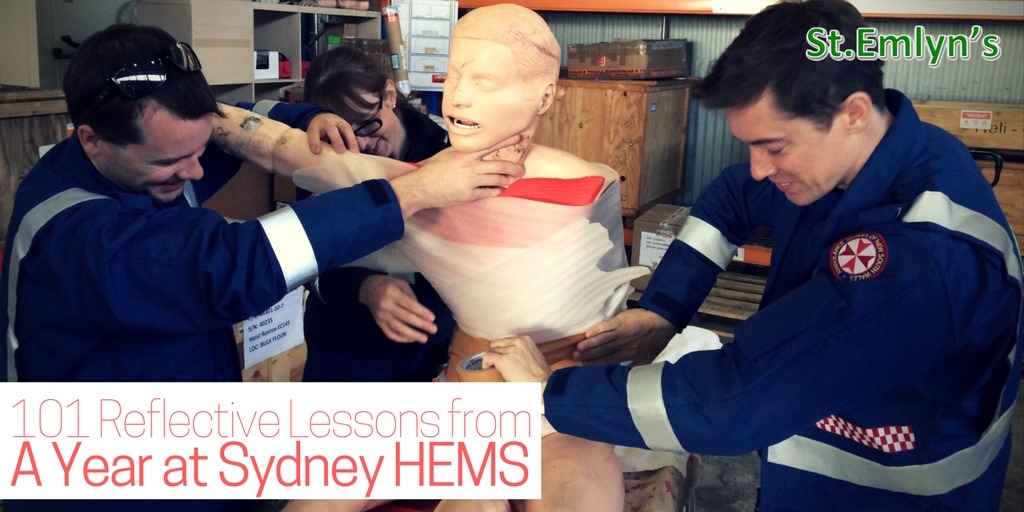
Small interpersonal habits matter when teams work under pressure. In the second Sydney HEMS reflection, Natalie May explores introductions, shared plans, checklists, fatigue and learning from mistakes, showing how everyday communication can support colleagues during demanding retrieval work.