Natalie May’s 2015 EuSEM teaching notes explore why treating children’s pain involves more than choosing a drug. The discussion brings together analgesia, preparation for procedures, communication, parental support and distraction, with particular attention to the fear and distress surrounding an emergency department visit.
A rapid review of selected paediatric emergency medicine papers from 2015, presented at the Irish Association of Emergency Medicine conference. Natalie May examines research on trauma assessment, serious infection, cardiac arrest, bronchiolitis and procedural anxiety, highlighting limitations as well as possible implications for practice.
How do emergency clinicians know whether they make good decisions? Simon Carley separates sound reasoning from lucky outcomes and argues for feedback on everyday practice, exploring patient follow-up, peer review and conversations that reveal how colleagues reached a clinical judgement.
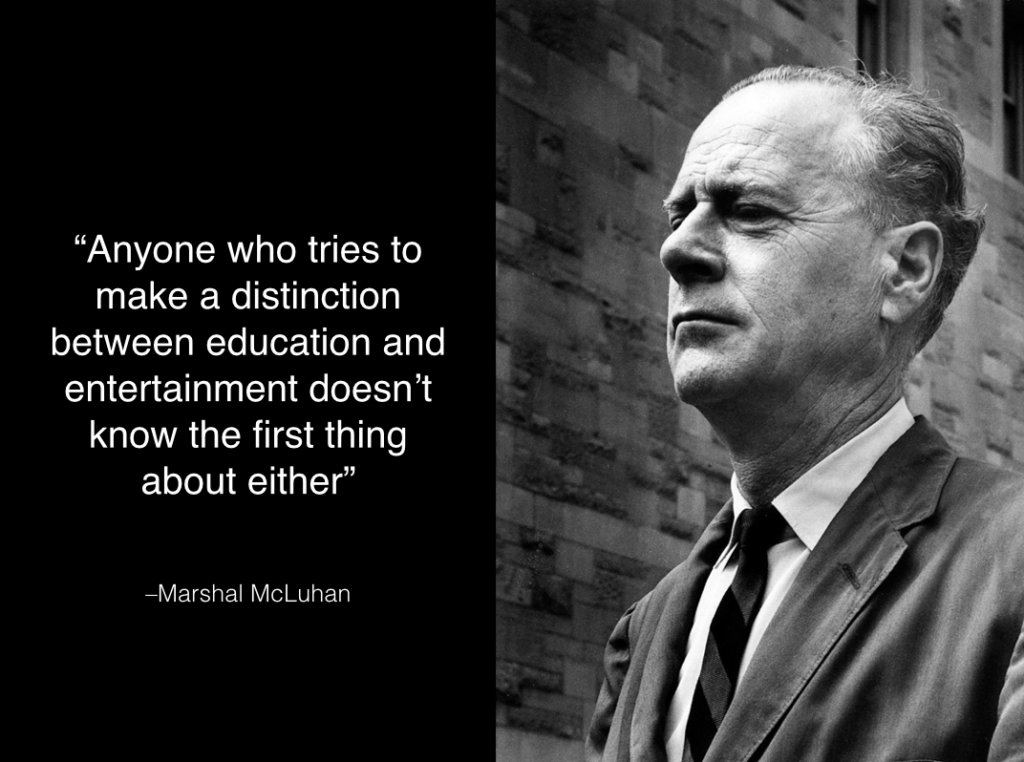
How can an engaging presentation lead to deeper learning rather than simply entertain? The final part of Simon Carley’s medutainment series considers delivery, follow-up learning and the risks of weak content, uncritical admiration, neglected everyday topics and commercial influence in medical education.
Why did entertainment become a more visible part of medical education? In this 2015 reflection, Simon Carley considers digital access to information, reusable online resources and changing conference expectations, arguing that stories and engaging delivery can help learners think beyond memorising facts.
Does apnoeic oxygenation reduce desaturation during intubation of critically ill adults? This 2015 appraisal of the FELLOW trial examines its ICU population, oxygen-saturation outcomes and methodological limitations, asking how far the findings can be applied to emergency department airway practice.