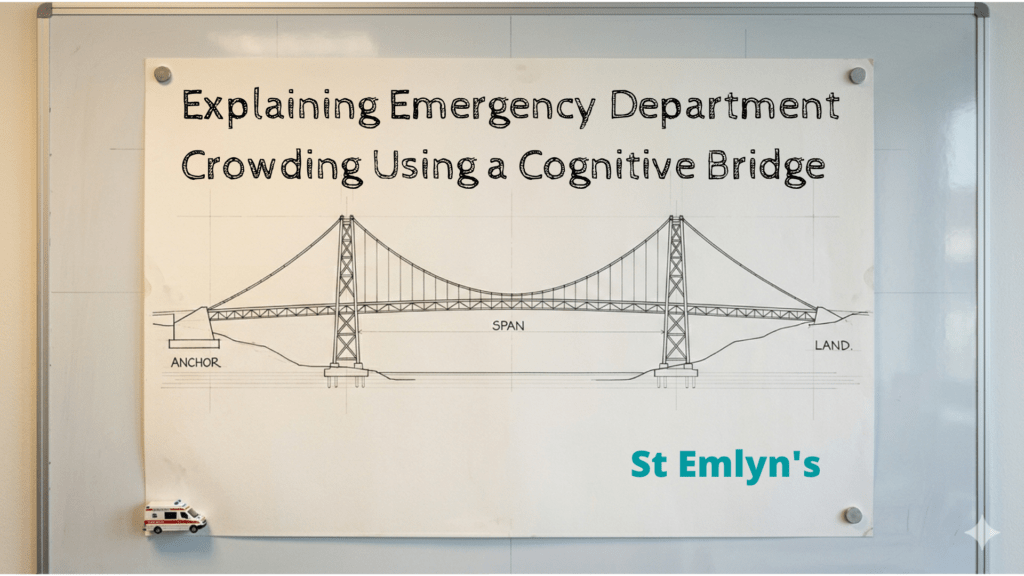
Emergency Department crowding is hard to explain to non-clinical audiences. A cognitive bridge is a three-step tool to help others understand.
The NHS drowns in innovation whilst repair work goes unsupported. Why Bronson's Design as Repair framework matters for emergency medicine.
Emergency care is more pressured than ever—but is compassion being lost in the chaos? This post explores the reality of compassion fatigue, the systemic and cultural barriers to empathy, and practical, evidence-based strategies to reconnect with patients in meaningful ways.
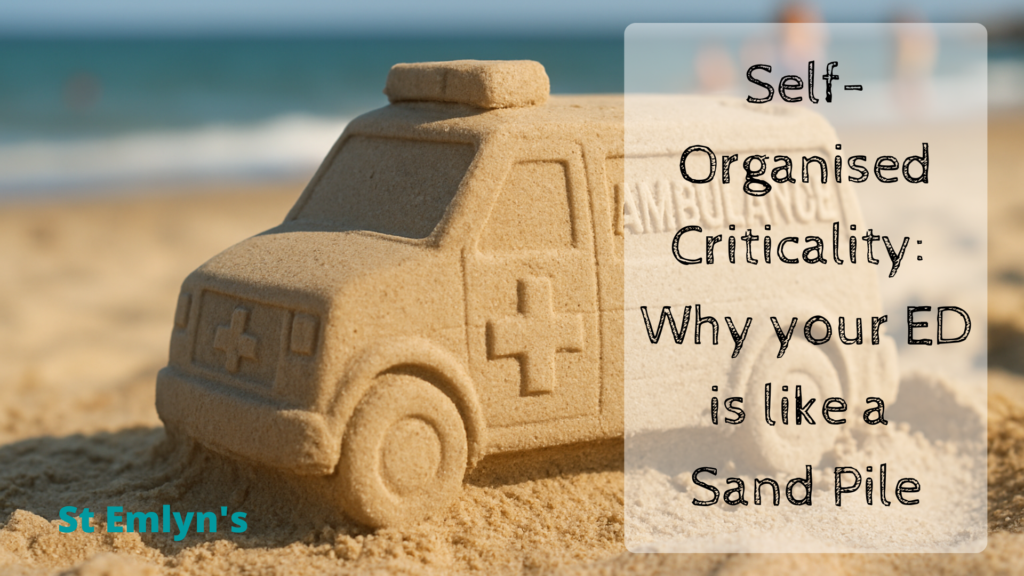
Emergency departments (EDs) often seem to shift from calm to crisis in an instant. Why? This article explores ED crowding through the lens of complexity science and self-organised criticality, explaining how minor changes—like a few extra patients—can trigger disproportionate chaos.
Based on a talk at EuSEM 2024, this reflection examines the ethical questions surrounding artificial intelligence in emergency care. Thought experiments explore trust, bias, privacy and the human relationship with patients, alongside AI's potential clinical uses.
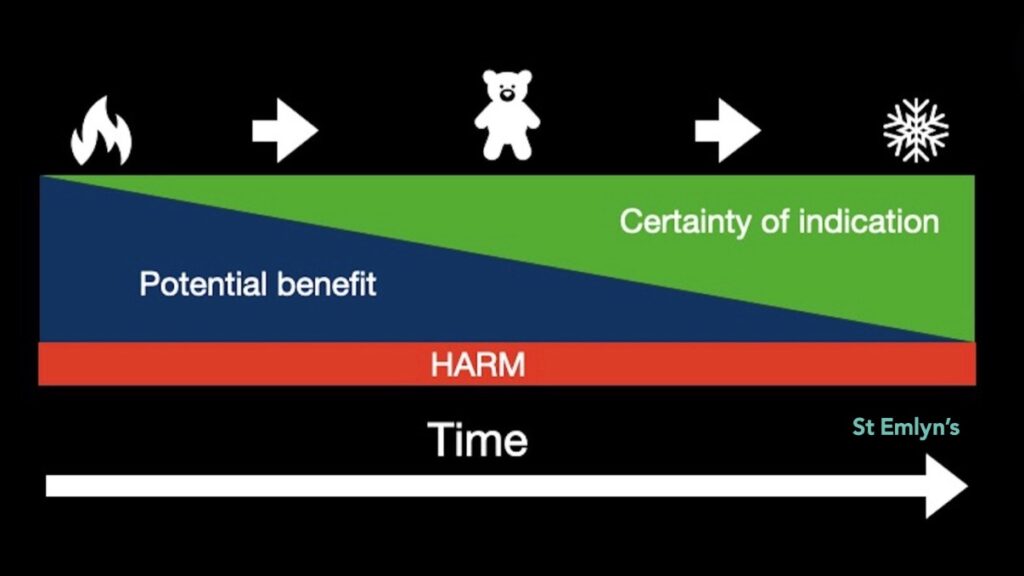
When is the right moment to perform a high-stakes emergency procedure? This reflection uses the Goldilocks analogy to explore the harm of acting too early or too late, the uncertainty between those extremes and how training and peer review might develop judgement.