Every yes means saying no to something else. This reflection explores how choosing with intention can help us set boundaries, recognise the cost of commitments and make room for what matters, rather than letting tiredness or habit make the decision.
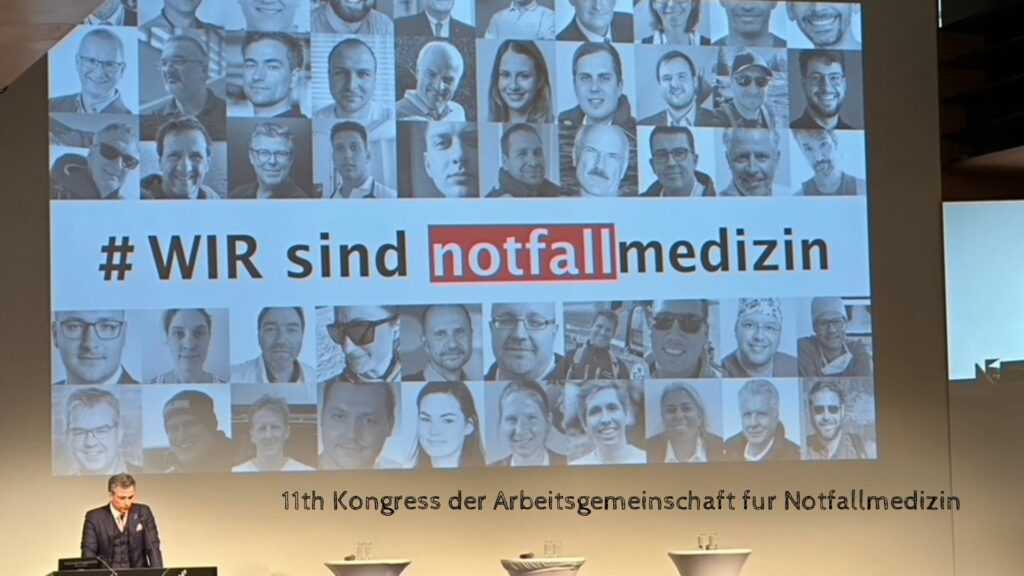
Selected learning from the English-language track of the 11th emergency medicine congress in Graz in 2024. This report covers cardiac arrest, trauma, sepsis and ultrasound, alongside reflections on research, teaching and learning from mistakes.
What makes emergency department staff stay, and what makes their work harder? This appraisal examines a UK qualitative study of staff experiences, exploring workplace culture, leadership and support, with barriers and opportunities for improving working conditions and retention.
Iain and Simon review the October and November 2023 posts, including CRYOSTAT-2, the DAShED study and the annual ILCOR update. The episode also considers emergency department flow, the value of silence and the emergency care community's humanitarian voice.
Writing during the war in Gaza in 2023, the authors argue for a clearer, consistent humanitarian voice from emergency care. They call for advocacy for patients and colleagues, protection of civilians and a ceasefire, without allowing political divisions to silence concern.
In this updated personal reflection, Stevan Bruijns examines racism, privilege and inequality in global emergency medicine. Drawing on his own experiences, he considers whose voices are heard in research and education, and how everyday choices can make collaboration more inclusive.