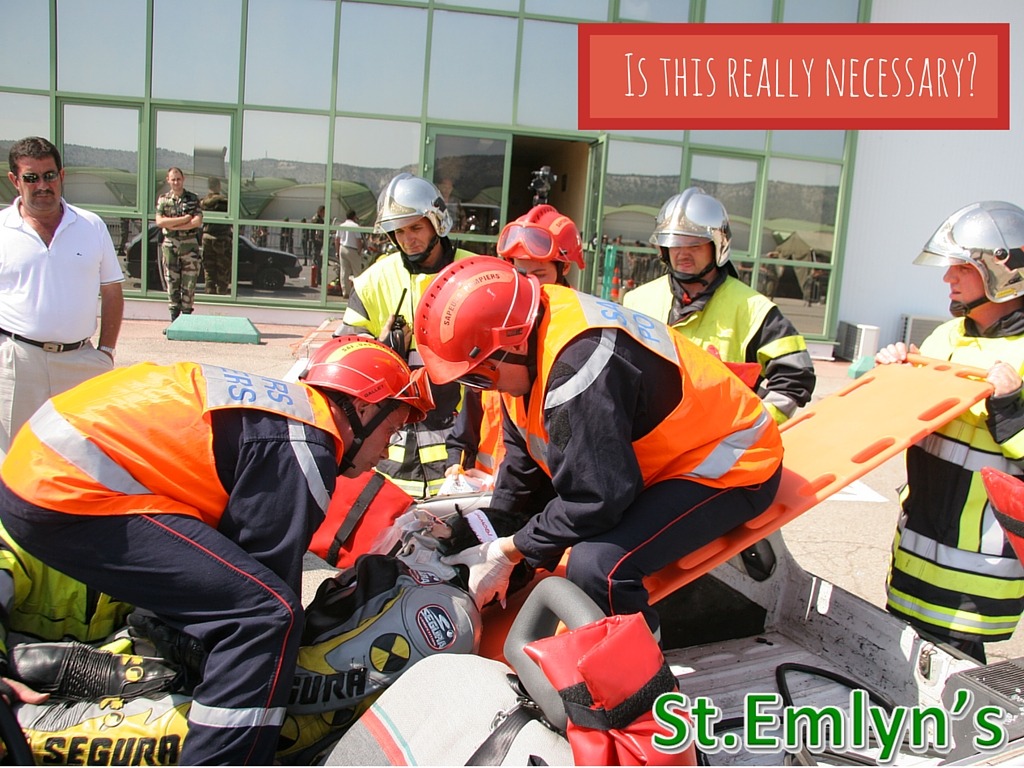
Does helping someone out of a car reduce cervical spine movement compared with self-extrication? This 2015 appraisal examines a small biomechanical study of six techniques, while emphasising that uninjured volunteers cannot establish which approach is safest for patients with pain or spinal injury.
Telling a family about a sudden death is a defining moment in emergency care. This personal reflection explores preparing yourself, using clear and compassionate language, allowing space for grief and questions, returning to the family afterwards and supporting colleagues involved in the conversation.
How can emergency clinicians protect their sleep around night shifts? This 2015 discussion explores the sleeping environment, preparation and recovery, breaks during a shift and the risks of travelling home tired, encouraging readers to reflect on how fatigue affects their health and performance.
What does a raised lactate actually tell us? This 2015 physiology discussion revisits lactate production and clearance, then explores hypoxia, the stress response and interpretation in sepsis and trauma. It questions the leap from a marker of illness severity to a treatment endpoint.
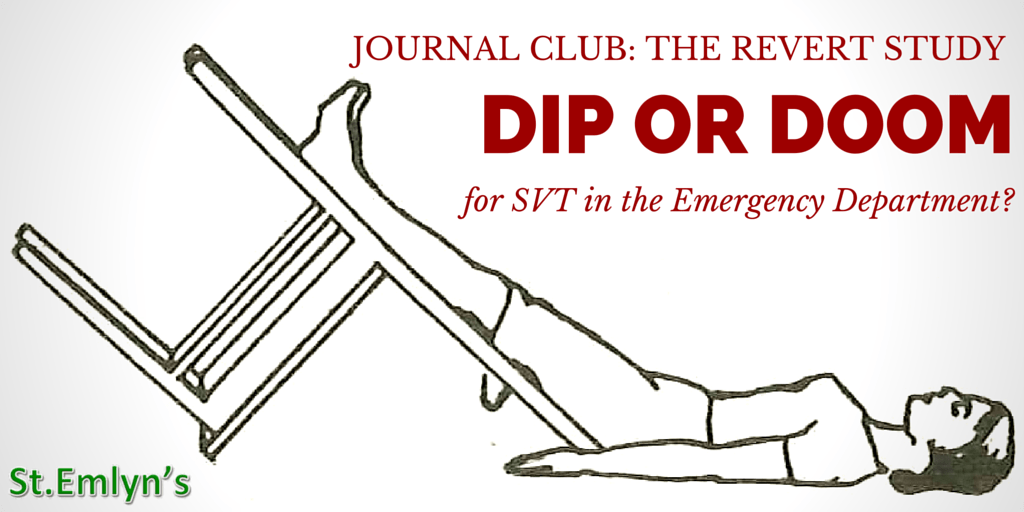
The 2015 REVERT trial compared a modified Valsalva manoeuvre with the standard technique in adults with stable supraventricular tachycardia. This appraisal examines conversion to sinus rhythm, the need for further treatment and practical questions about applying the findings in the emergency department.
Should abdominal and pelvic CT be added to cancer screening after an unprovoked venous thromboembolism? This 2015 appraisal examines a Canadian randomised trial, missed cancers during follow-up and the limits of applying results from specialist clinics to other settings.