
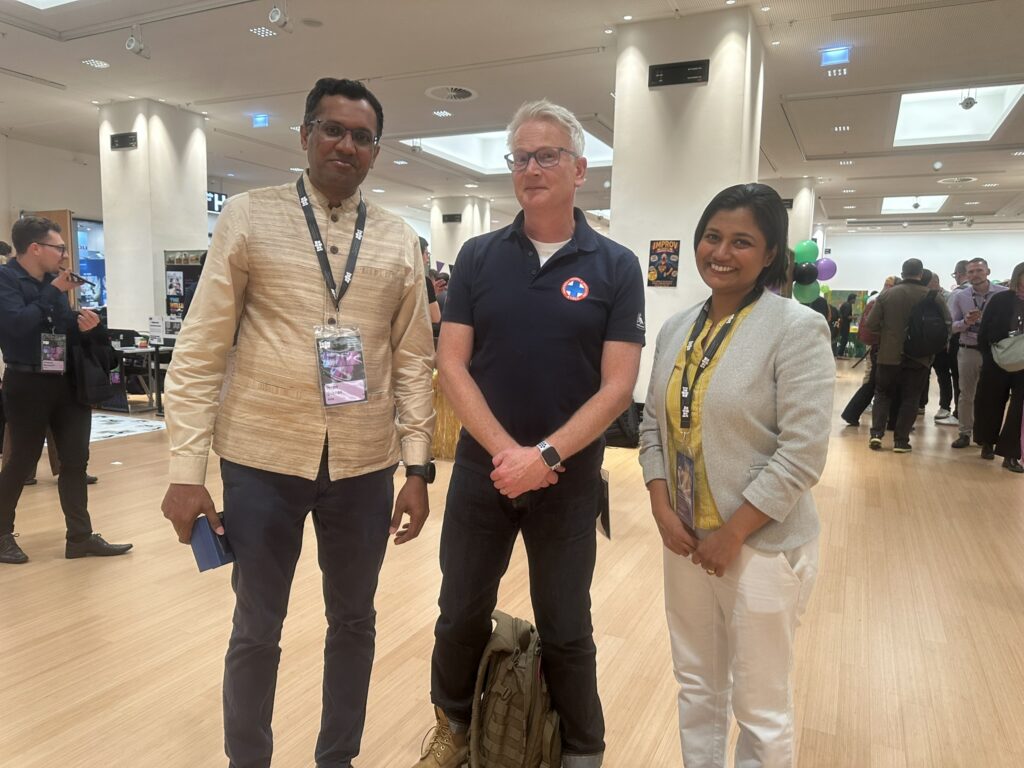
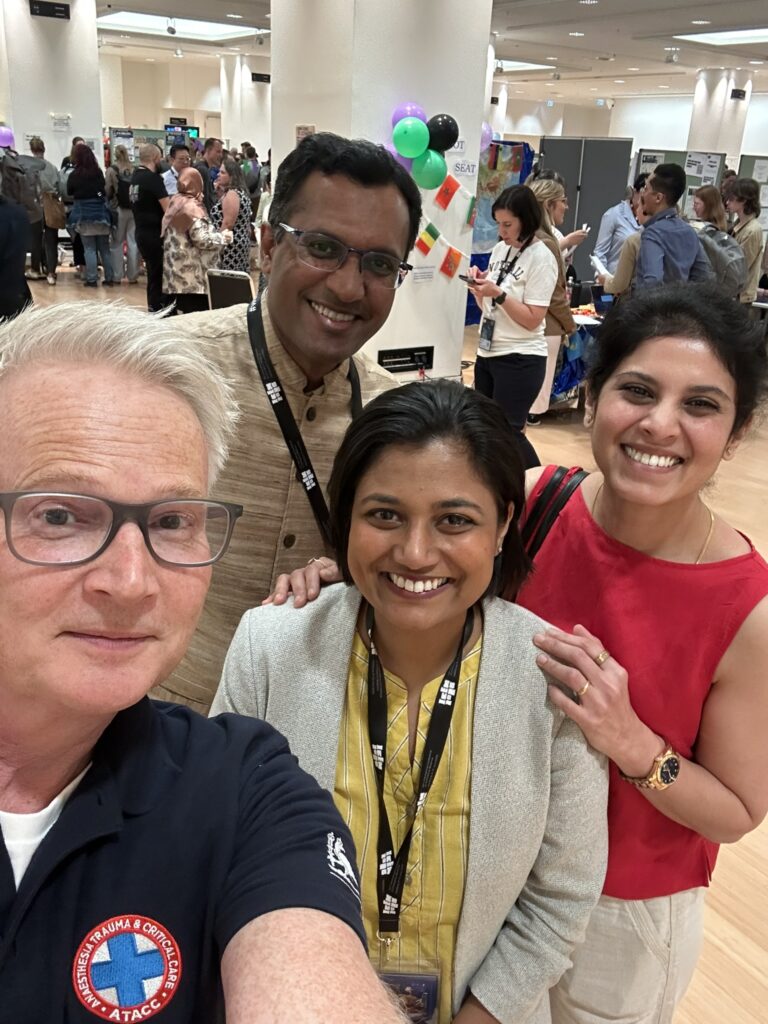
With more than 3,300 delegates from around the world, this was one of the largest gatherings of emergency physicians, nurses, paramedics, educators and researchers that I’ve ever attended. Yet what I’ll remember most isn’t the size. It’s the people I met, and there were many. If you’re lucky to get to go to International conferences (and it’s not available to everyone I know), the real joy is reconnecting with old friends and making new ones. Over the course of a few days in Hamburg I found myself catching up with colleagues I hadn’t seen for years, sharing stories over coffee, discussing research in corridors and debating the future of emergency medicine late into the evening. The organisers did a great job.
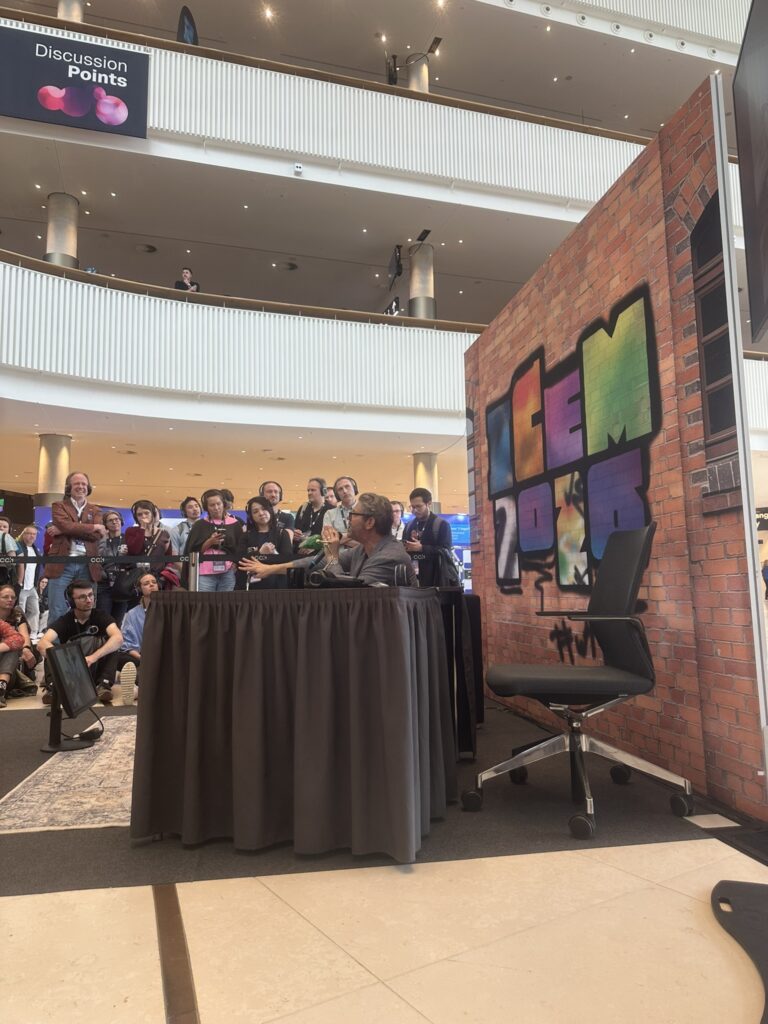
One particular highlight was spending time with David Carr, a long time St Emlyn’s friend from Toronto. David delivered several outstanding presentations during the conference. If you’ve not seen his top tips lecture, seek it out and watch. It’s a rare talk that has so many points that you can turn into actual clinical care almost immediately. Obviously not just David, loads of other fantastic speakers, but it illustrates that the organisers had thought hard about learner engagement and interest and not just the same old faces and lists of endless data.
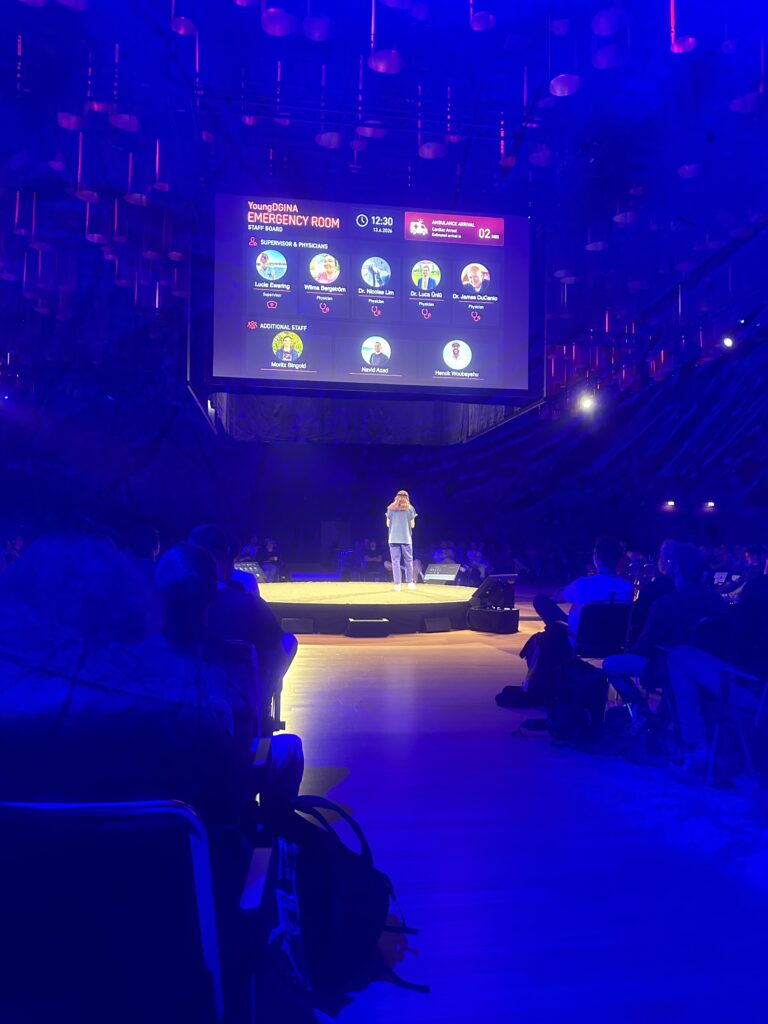
Even more encouraging was meeting members of the Young DGINA group at the networking events and consistently through the conference. Their energy, enthusiasm and determination to establish emergency medicine as a recognised specialty in Germany was genuinely inspiring. It’s easy to think that specialty recognition is about doctors and to some extent that’s true, but what struck me is that it’s even more about patients. In the UK we sometimes forget how fortunate we are to have the Royal College of Emergency Medicine acting as an advocate for both clinicians and patients. Some of the most important work undertaken by the College has little to do with the business of examinations or training programmes. It is the policy work that speaks up for patients who otherwise have no voice. Our lay group at the college is a key component of this, but in Germany it’s tricky to see how that voice can be organised without a speciality. The current work on corridor care is a perfect example. Without a professional body willing to gather evidence, challenge decision-makers and advocate publicly, many of the issues affecting our patients would remain invisible or fragments. Real change only happens when somebody is prepared to stand up and say that the current situation is not acceptable.
Germany needs that. Every health system needs that. Meeting so many young and older German emergency physicians who are passionate about creating a recognised specialty was one of the most hopeful parts of the conference for me. They understand that emergency medicine needs a voice. More importantly, patients need emergency medicine to have a voice and whilst I see the passion of the younger emergency physicians they are led by some incredible established clinicians who are driving the speciality forward despite it not having formal recognition. They are heroes of their(our) speciality. That spirit of advocacy felt entirely consistent with the wider themes of the conference.
Conferences are not just data transfer
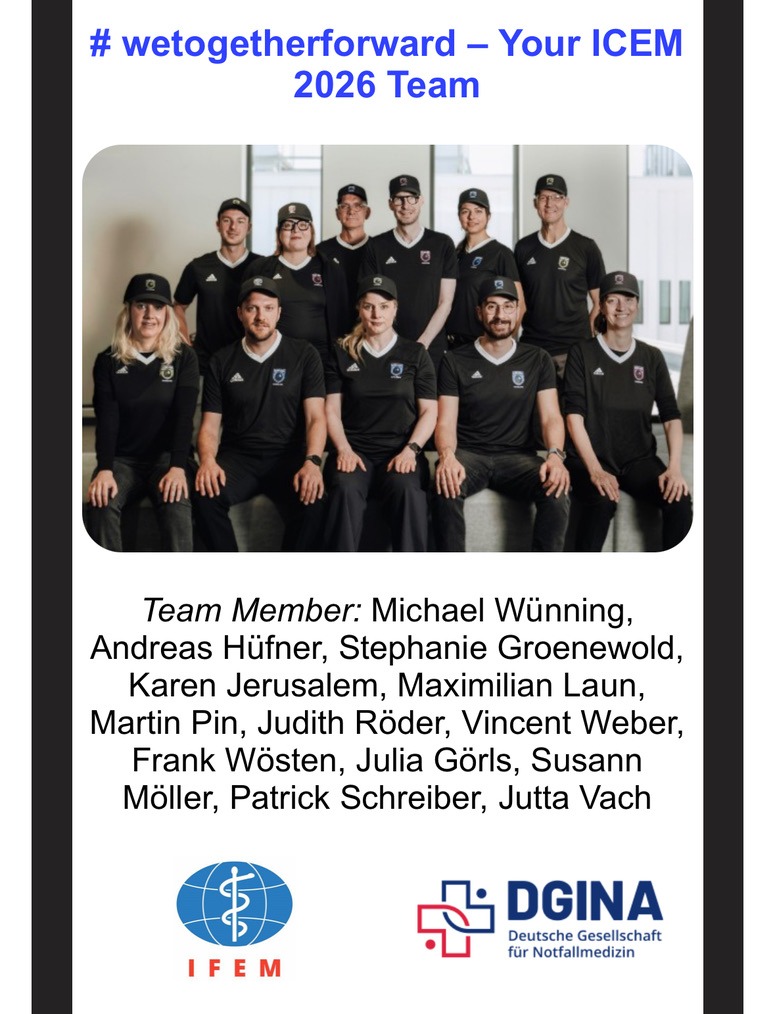
I met up with Michael and the organising committee a few years back when they shared their vision of a festival of learning in Hamburg. They wanted a different feel to the event and I think they pulled it off. Their vision was not simply to organise another scientific meeting. They wanted to create a festival of emergency medicine. A celebration of the specialty. A place where people would not simply attend lectures but would connect with colleagues from around the world and we did.
Led by Dr Michael Wünning and the local organising committee, the conference embraced the theme of #WeTogetherForward and consciously borrowed ideas from the Olympic Games, creating opportunities for delegates to meet, socialise and collaborate beyond the lecture theatres. The ICEM Village concept, social programme and conference design all reflected that ambition. Some of the most valuable conversations happened outside the scheduled programme. In smaller workshops. Around exhibition stands. Over lunch. During evening social events. Walking between sessions. Emergency medicine has always been a people business, and despite us coming from all over the world we defo had a common language and experience. Hamburg reminded us of that. That’s what I want from a confefence. I think I’ve been guilty of organising events and just focusing on what’s happening on stage. That’s clearly important but if organisers can also foster what happens before, in between and after the delegates have a much better experience.
The Programme
The scientific programme itself was excellent. I’ve attended enough conferences over the years to know that bigger doesn’t always mean better. Hamburg managed to combine scale with quality. There was a genuine effort to bring together speakers from different countries, healthcare systems and professional backgrounds. The only issue I struggled with was the sheer volume of tracks and presentation. I’m sure I missed out on some amazing presentations in other sessions, but I guess that always happens at these large international events. I also thought they did really well with the small poster presentation sessions (silent listening and cosy), something I think we should copy in the UK.
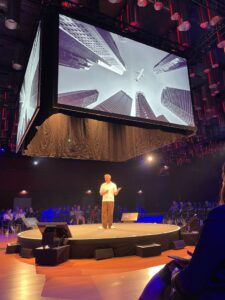
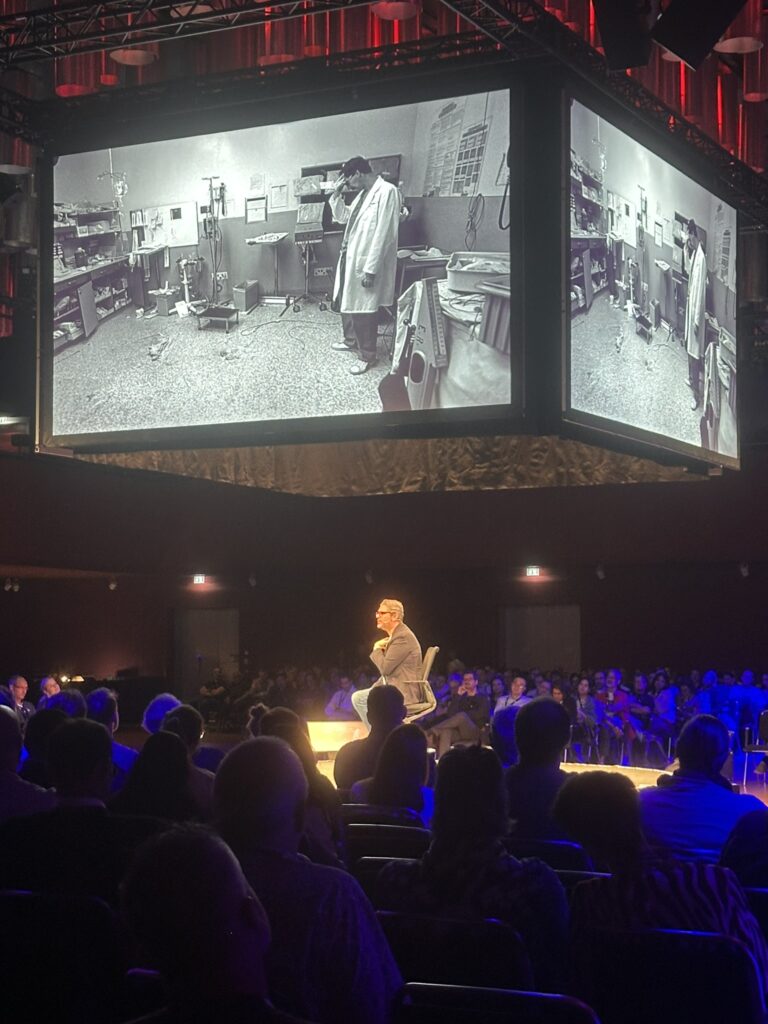
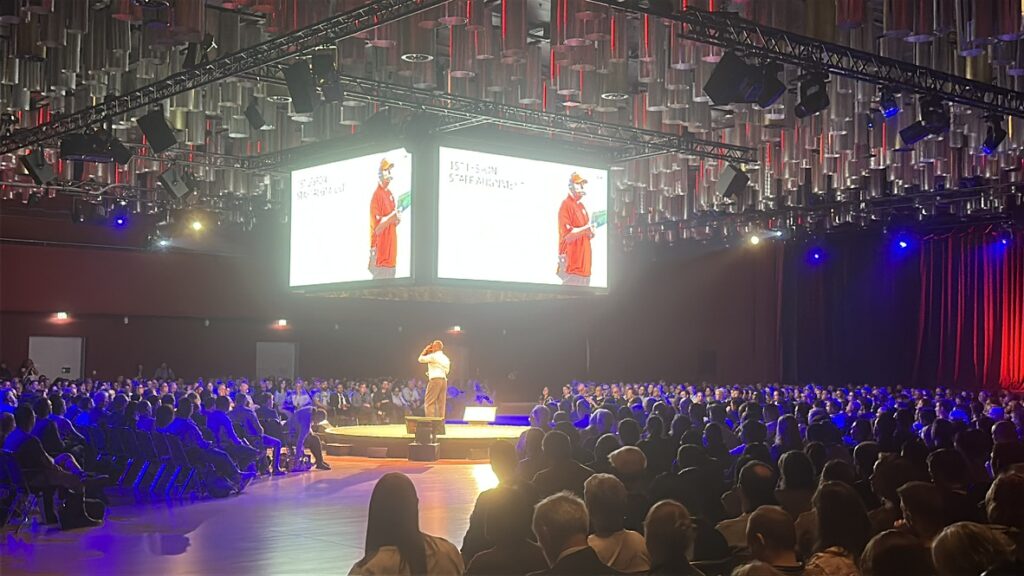
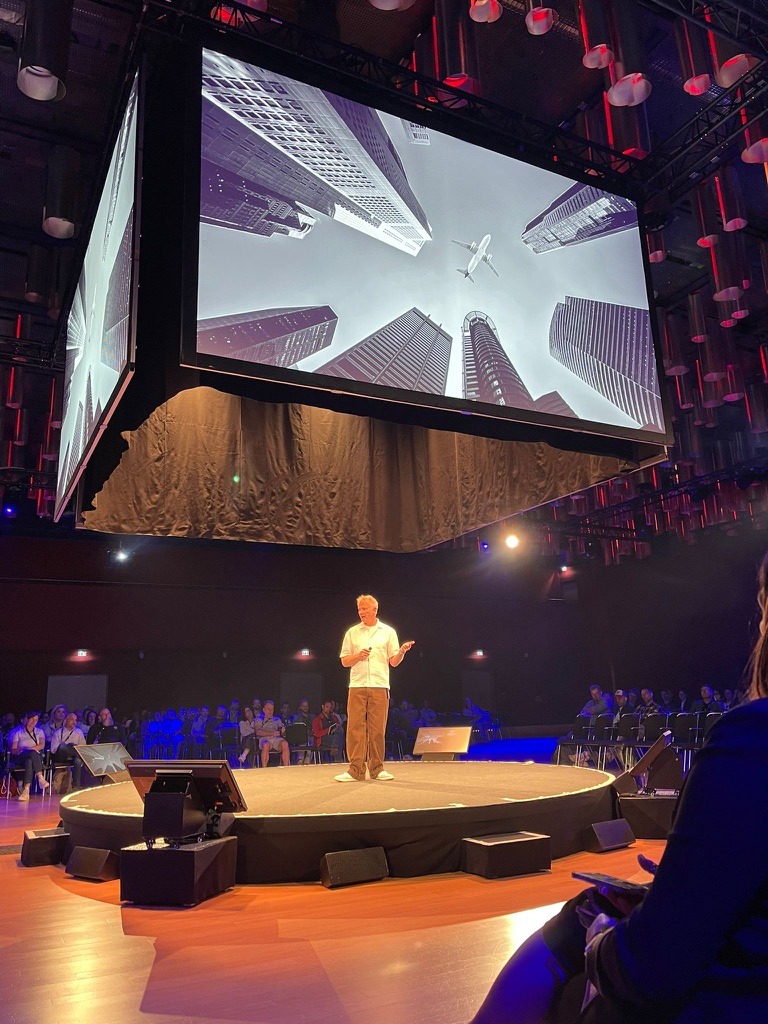
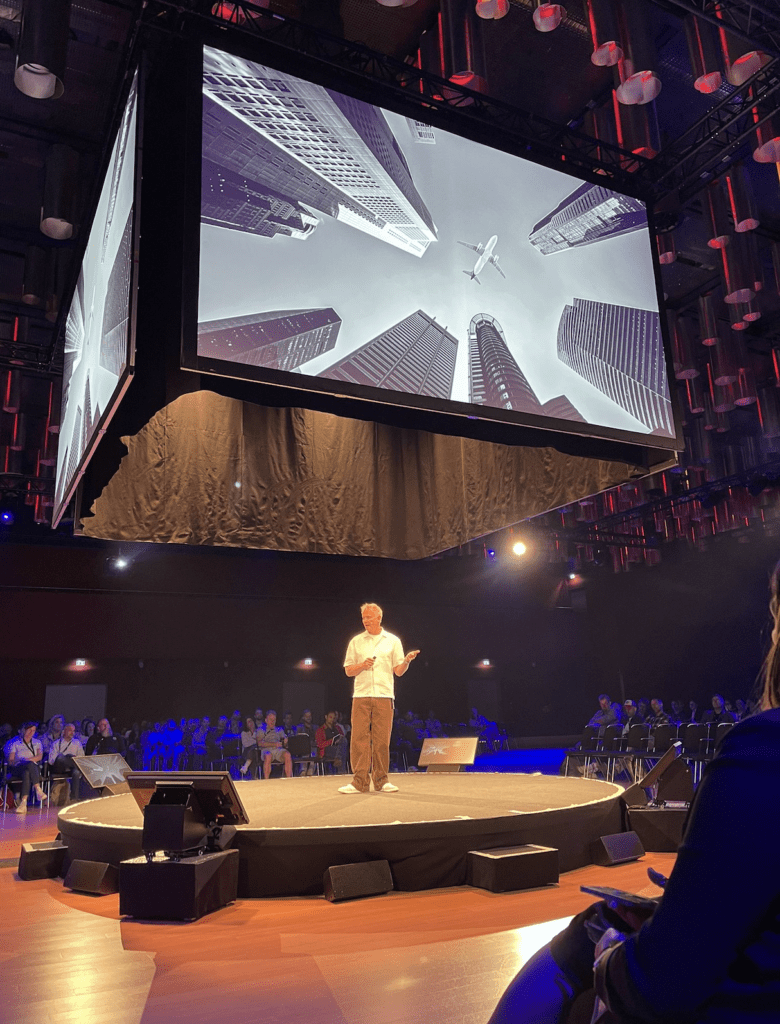
The plenary programme was particularly strong, featuring a diverse international faculty that included David Carr, Tsion Firew, Heidi Edmundson, Priyardarshini Marathe and many others (good UK representation there). One of the innovations was the use of a 360-degree arena stage which I’ll admit I wasn’t entirely convinced when I first heard about it. Speaking in the round is different and people approached it in dfiferent ways. It’s tempting to walk round and round in circles but we found that a bit distracting. What did seem to work was staying centrally and rotating between major points. With hand gestures and head movements you can engage with 180 degrees of audience and so not that much movement was required, well less than we thought. As an audience member it was actually fine to see the back of people who were presenting, it felt fine really, I suppose we see similar things on TV all the time and so it was much less weird than we imagined. I would defo do it again. The format created a level of energy and interaction that would have been difficult to achieve in a traditional auditorium.
My talks at ICEM
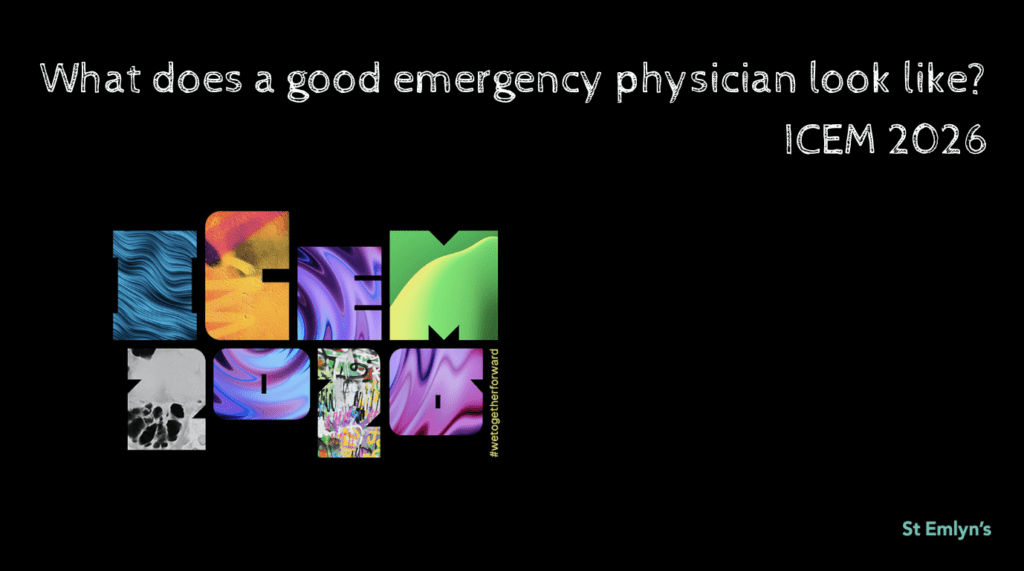
I was fortunate enough to contribute to several sessions across the conference. One explored what makes an excellent emergency physician. This is a topic I’ve written about previously and one that I find increasingly important as our specialty matures. Technical competence matters enormously, but excellence in emergency medicine is about much more than knowledge and procedures. It’s about judgement, teamwork, communication, curiosity, humility and kindness. Read more on the main article here. Presenting that session in the main arena was probably my personal highlight of the week.
I also delivered a session on narrative learning in emergency medicine. This was a more interactive session and, if I’m honest, it never quite generated the level of audience participation I had hoped for. Sometimes that happens. Educational innovation is rarely perfect, but I may need to adapt that one as it’s previously been one of my favourite sessions (I did it Manchester recently and it was fine). Ah well, not everything works all the time.
Interestingly, despite being delivered on one of the smaller stages, I probably had the most fun with the Top 10 Papers session on the social media stage. There is something immensely satisfying about taking a year’s worth of literature and trying to identify the studies that really matter for frontline clinicians, and then getting it across in 30 mins. The good news is that the session was streamed online, so if you missed it there may be opportunities to catch up. I’ll also try to put together a St Emlyn’s review of those papers in the coming weeks.
My final session was part of a fascinating discussion around complex ethical decision-making in emergency medicine. These conversations always remind me that many of the hardest challenges in our specialty are not technical. They are human. They involve uncertainty, competing priorities, limited information and imperfect choices, and at IFEM it was clear that regularotry frameworks are also highly influential on what decisions are permissible.. Perhaps that is why they remain so compelling.
Shared Challenges
One of the enduring values of ICEM is the opportunity to hear perspectives from around the world.It’s clear that although healthcare systems differ, funding models differ. political contexts differ, when emergency clinicians from different countries sit down together, the conversation rapidly becomes familiar, crowding. workforce shortages, increasing demand. moral injury, access block, wellbeing, training, retention, the details vary, but the themes are remarkably consistent. The challenges facing emergency medicine in Manchester are not entirely different from those facing colleagues in Toronto, Kigali, Sydney, Singapore or Berlin.
The Pitt Comes to Hamburg
Not everything in Hamburg was serious. One of the recurring themes throughout the conference was The Pitt. The television series has clearly struck a chord with emergency clinicians across the world. It captures enough of the reality of emergency medicine to feel authentic while remaining accessible to a wider audience. A highlight was a video message from Noah Wyle. For many emergency physicians of my generation, Wyle will always be associated with ER, a programme that inspired countless careers and introduced millions of viewers to emergency medicine, but to the new generation it’s the Pitt that speaks to them. It was fascinating to hear him speak so warmly about the specialty and the people who work within it, I did not realise how much of an advocate he has become for our speciality. Speaking at conference and becoming politically active, absolutely fantastic to see. I also learned something I hadn’t known before: his mother was an emergency nurse. Suddenly a lot made sense.
Hamburg
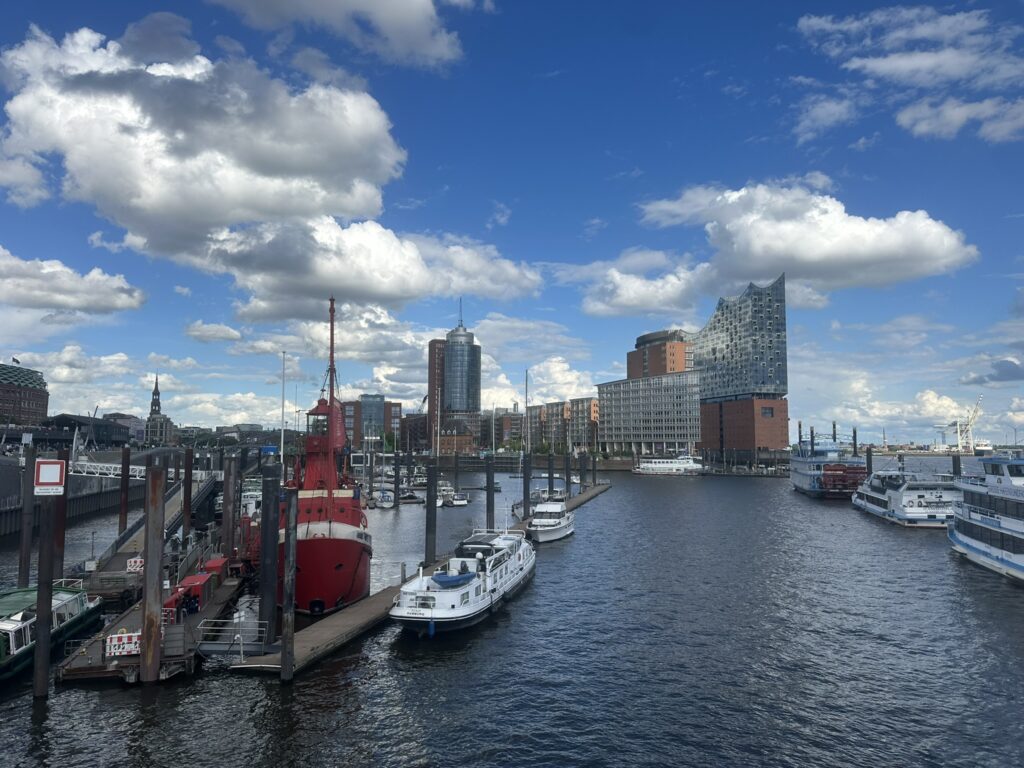
And what about Hamburg, I like it. The city works and is a major port, a centre of commerce, engineering and industry. I that respect it has that industriousness that I like, as reminds me of Virchester. There is an energy and purposefulness to the place that feels authentic. Hamburg and Virchester were shaped by trade, industry and hard work. Neither feels the need to apologise for that. Alongside the industrial heritage there is culture, architecture, waterfront life, excellent food and a remarkably welcoming atmosphere. Defo worth the trip.
It’s obviously great that the ICEM conference changes location every year, but I’ll be sad not to be coming back to Hamburg next year. I’d come back if the local organising team put on something different though.
Looking Forward
The conference closed with real optimism. Emergency medicine remains a young specialty in many parts of the world and it’s clear that there is still enormous work to do. Patients continue to face unacceptable waits. Staff continue to work under immense pressure. Healthcare systems continue to struggle with demand. And this seems to be everywhere……, but the conference and the people seem to remain optimistic (though this may be a atypical audience) and everywhere I looked there were people committed to making things better.
The next ICEM will be held in Malaysia, a country I know well and one that I have grown to love through many visits. In fact, I’ll be back there later this year. I very much hope to return for the conference. And then comes Brazil in 2028. Anyone who knows me will understand why I’m so keen to get that on my calendar. Brazil is one of my favourite countries in the world and the prospect of combining ICEM with a return visit is enormously appealing.
For now, though, congratulations to Dr Michael Wünning, the DGINA team, IFEM, and the entire organising committee. You promised a celebration of international emergency medicine and you delivered a festival, and for a few days in Hamburg, the global emergency medicine community came together to remind itself why this specialty is still one of the best jobs in the world.
vb
S
