A successful workshop starts with clear aims and an understanding of its participants. This ten-step guide covers context, resources, timing and interaction, then explains how feedback and structured reflection can help you refine the session for its next outing.
A presentation is more than its slides. Ross Fisher introduces the p-cubed approach to story, supporting media and delivery, explaining how attention to the audience and the interaction between these elements can change the way clinicians prepare and present.
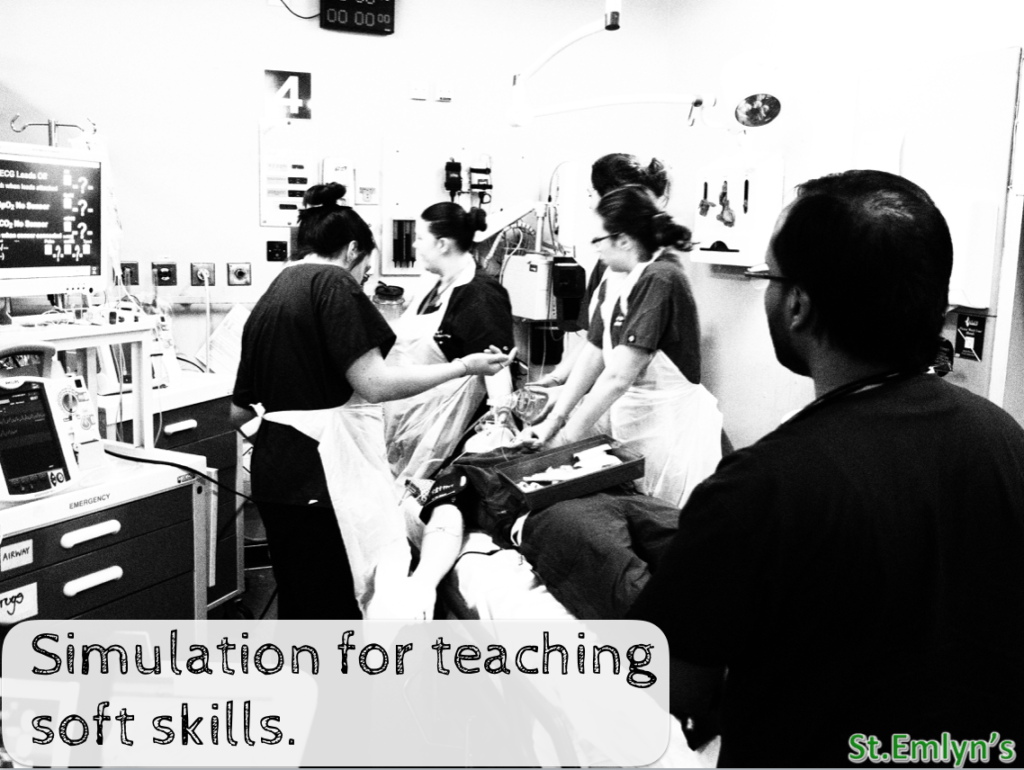
How can simulation develop the relationships and attitudes that shape clinical teamwork? Drawing on a EuSEM 2016 talk, this post explores training in the workplace, involving the whole team in debriefs and using learning conversations to understand behaviour under pressure.
Are we teaching today’s learners in ways that only suited our own training? In this 2016 conference companion, Natalie May considers generational assumptions and argues for active learning, supportive supervision and thoughtful use of online resources in medical education.
How can a brief teaching moment in the emergency department lead to learning that lasts? Simon Carley describes a ‘FOAMed prescription’: sharing a relevant blog, podcast or video after a clinical encounter, then following up to encourage reflection and repeated learning.
What can hospital educators learn from prehospital training? Drawing on her experience with Sydney HEMS, Natalie May explores team induction, maintaining competence and a supportive learning culture, asking how simulation, regular practice and case review could strengthen education inside the emergency department.