Struggling to learn to surf offers a reminder of what being a novice feels like. Simon Carley reflects on how enthusiasm, achievable milestones and honest feedback can improve skills teaching, and why educators should occasionally become beginners again.
What can a master’s degree add to emergency medicine training? This 2017 introduction to Manchester Metropolitan University’s MSc describes its multiprofessional approach, online learning and supervised project, with an emphasis on evaluating evidence and creating knowledge rather than simply acquiring facts.
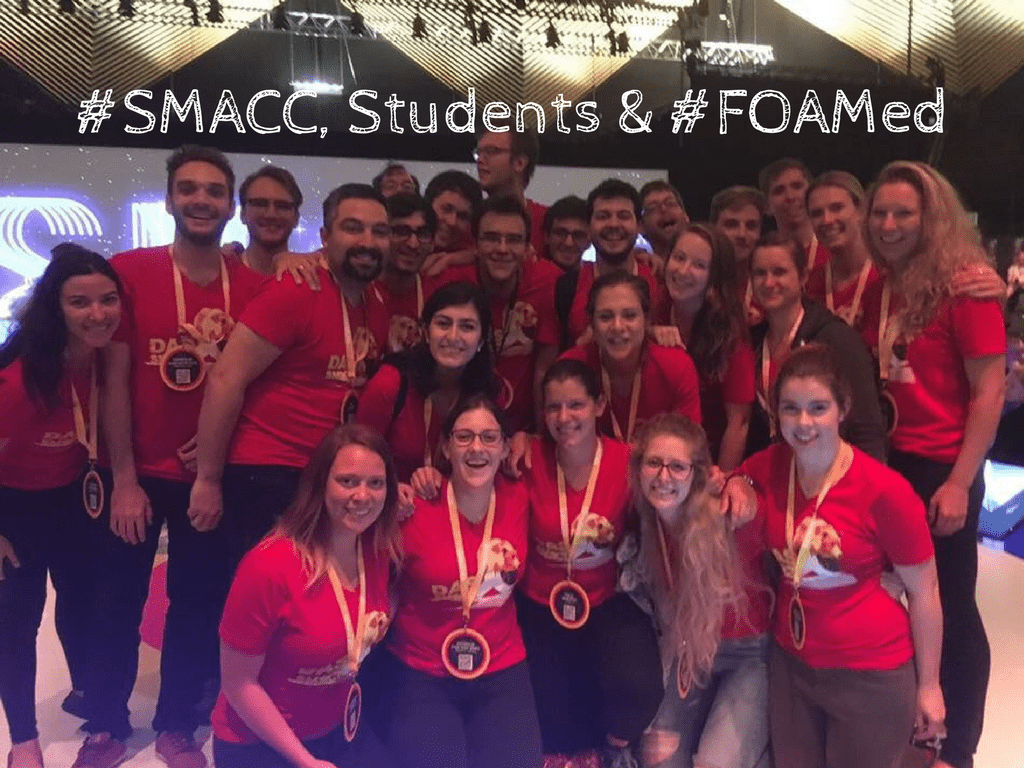
What does a major critical-care conference offer a medical student? A student volunteer reflects on dasSMACC 2017 in Berlin, describing international friendships, encouragement from clinicians and how FOAMed opened up learning opportunities beyond the usual placement experience.
Trainees must demonstrate their competence every year, but how do we assess those who supervise them? This discussion proposes an informal review of educational supervisors’ clinical skills, teaching, feedback and reflection, intended to support development rather than create another compulsory assessment.
Looking for ways to make a workshop genuinely interactive? This collection describes feedback games, communication exercises, role play and small-group tasks, explaining how they have been used and adapted, and why briefing and debriefing matter as much as the activity.
A successful workshop starts with clear aims and an understanding of its participants. This ten-step guide covers context, resources, timing and interaction, then explains how feedback and structured reflection can help you refine the session for its next outing.