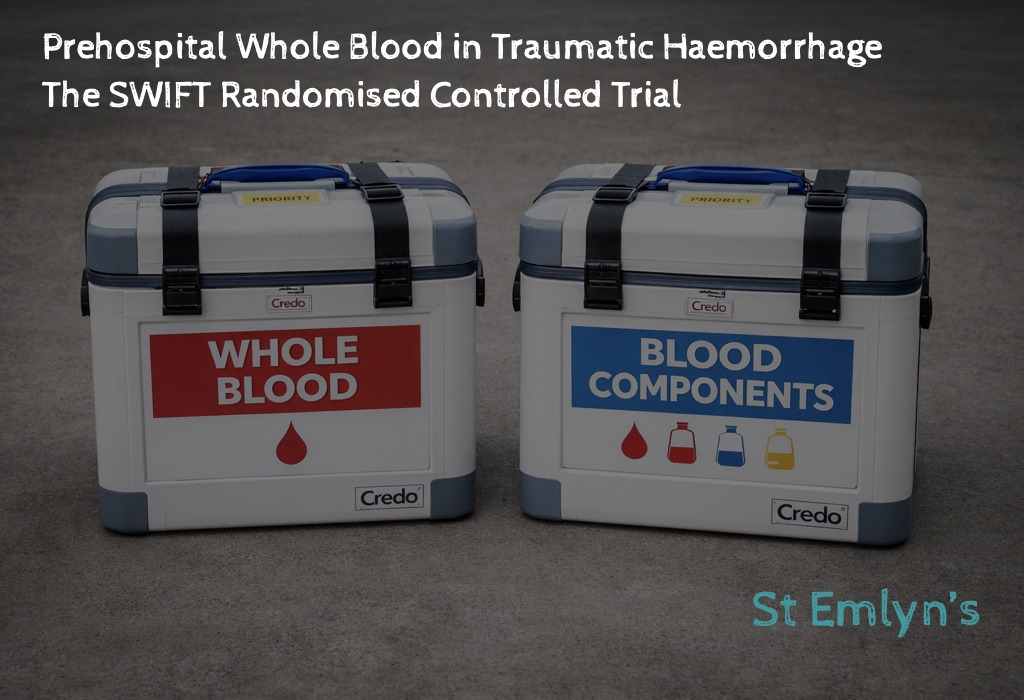
JC: Prehospital Whole Blood in Traumatic Haemorrhage – The SWiFT Randomised Controlled Trial
A critical appraisal of a RCT comparing whole blood vs blood component transfusions for bleeding trauma patients
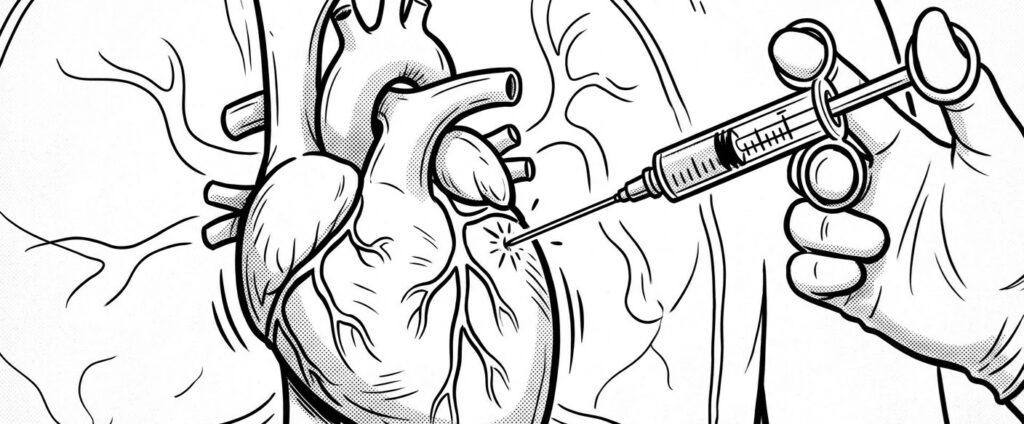
In this episode, we talk to Sheldon Cheskes about the evolving science of cardiac arrest, with a focus on refractory and recurrent ventricular fibrillation. We explore the evidence behind double sequential external defibrillation (DSED), how it compares to standard defibrillation, and what the DOSE VF trial has changed in practice. It’s about understanding why defibrillation fails, how vector and energy delivery matter, and when a different approach might improve outcomes.
Epi 289: Refractory VF, Double Sequential Defibrillation, and the Future of Cardiac Arrest Read More
Recorded at Trauma 2030 at the Royal College of Surgeons, this episode explores a shift in mindset in pre-hospital trauma care, away from maximal intervention on scene and towards rapid
Ep 287 – Damage Control Pre-hospital Care with Harriet Tucker at Trauma 2030 Read More
TTL tips 6. How to manage your CT reports in trauma. #TTLtips
#FOAMed
TTL tips 6: CT reports Read More
A focused review of the most important intensive care medicine papers from 2025–2026, discussed at The Big Sick conference. TBS @stemlyns
TBS 2026: Best Intensive Care Medicine Papers Read More
Emergency medicine research rarely provides certainty, but it can guide decisions. At The Big Sick (TBS) conference 2026, we presented papers challenging assumptions around trauma, airway management, resuscitation systems and rare high-stakes decisions. This post reviews the best emergency medicine papers from 2025–2026, focusing on what they mean for clinicians working at the front door.
TBS 2026: Best Emergency Medicine Papers Read More
Top tips for TTLs managing a non time critical hand over of a trauma patient into resus.
TTL tips 5: Non time critical trauma handovers part 1. Read More