Why can a cheap, straightforward treatment struggle for attention alongside more dramatic interventions? Reflecting on tranexamic acid after CRASH-2 in 2012, Simon Carley questions the appeal of expensive or technically demanding therapies and asks how clinicians can close the gap between evidence and routine practice.
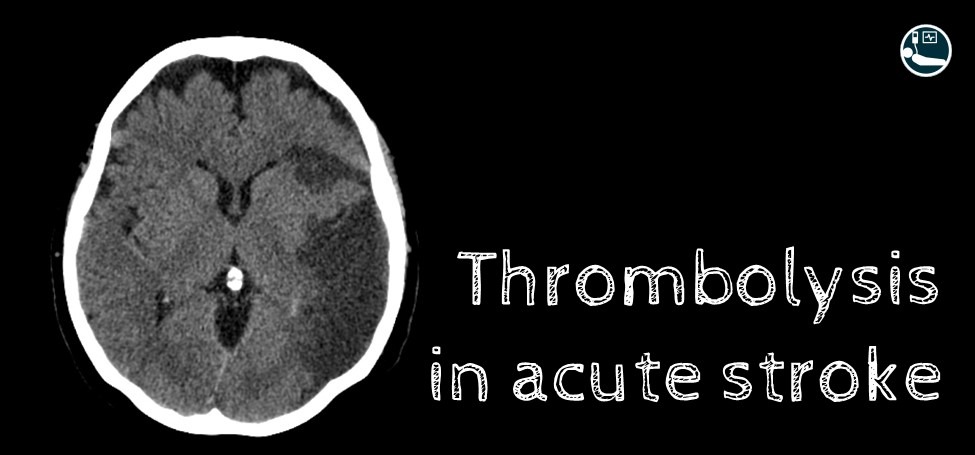
How should the early risks of stroke thrombolysis be weighed against later functional outcomes? This 2012 journal club debates IST-3, contrasting early mortality and bleeding with six-month survival and independence, and examining how the trial's results are presented and interpreted.
Does ondansetron help children with gastroenteritis tolerate oral rehydration, and how should concerns about cardiac rhythm be interpreted? This 2012 appraisal examines the evidence behind an FDA warning, questioning how studies in anaesthetic settings apply to emergency care and weighing potential benefit against uncertainty about harm.
A bite sustained abroad can raise questions that extend beyond wound care. This short 2012 introduction to a rabies review discusses specialist advice, access to vaccination and immunoglobulin, and why relevant exposure is not limited to overseas dog bites.
How should an emergency clinician assess a request for HIV post-exposure prophylaxis after sexual exposure? This 2012 discussion explores the guidance available at the time, individual exposure risk, adherence and timely specialist support, emphasising a systematic and sensitive consultation.