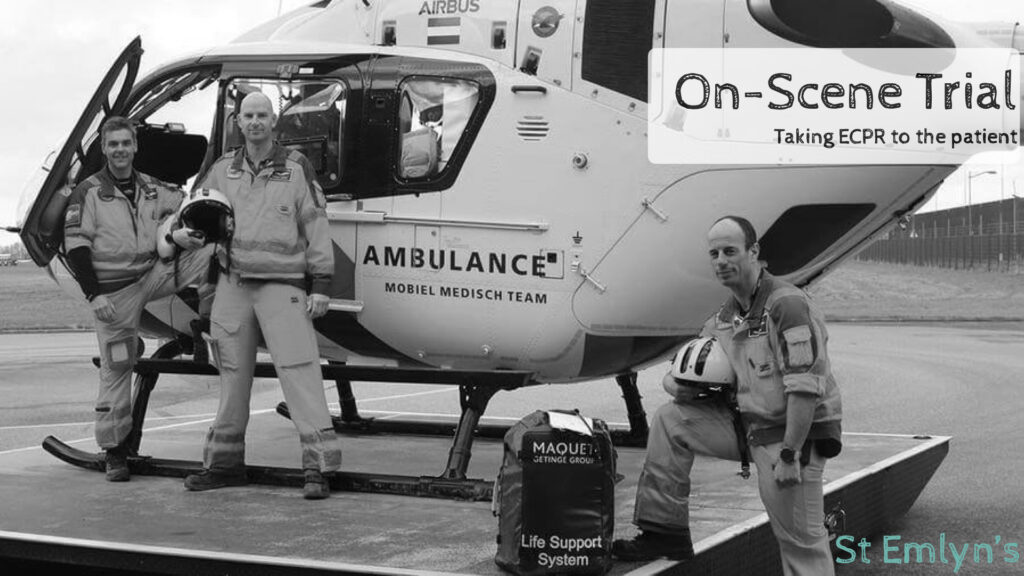
The On-Scene study reports almost double the survival to hospital discharge in selected patients with refractory out-of-hospital cardiac arrest treated within a prehospital ECPR-capable system. With survival of 40% versus 20%, and substantially shorter times to extracorporeal circulation, could bringing ECMO to the patient transform cardiac arrest care? We examine the findings, limitations and implications for emergency medicine, HEMS and future resuscitation systems.
What can teams optimise in shockable cardiac arrest before considering ECPR? This report from The Big Sick explores defibrillation, interruptions to compressions and physiology-guided resuscitation, including the evidence gaps and debate around emerging approaches.
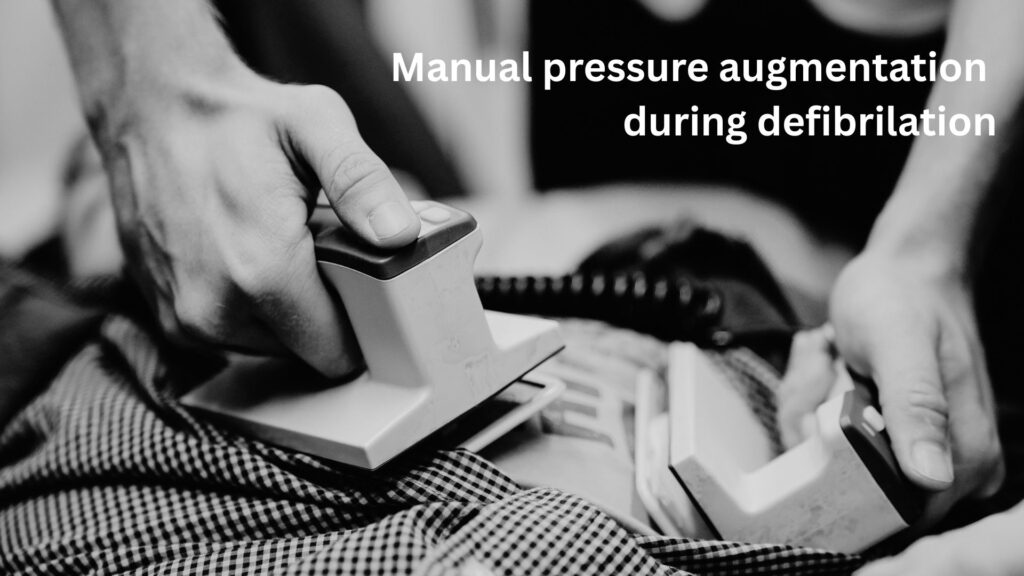
Manual pressure augmentation reduces transthoracic impedance during defibrillation, but does that translate into better outcomes? We review the AUGMENT-VA randomised trial and revisit our previous BestBET on this intervention.
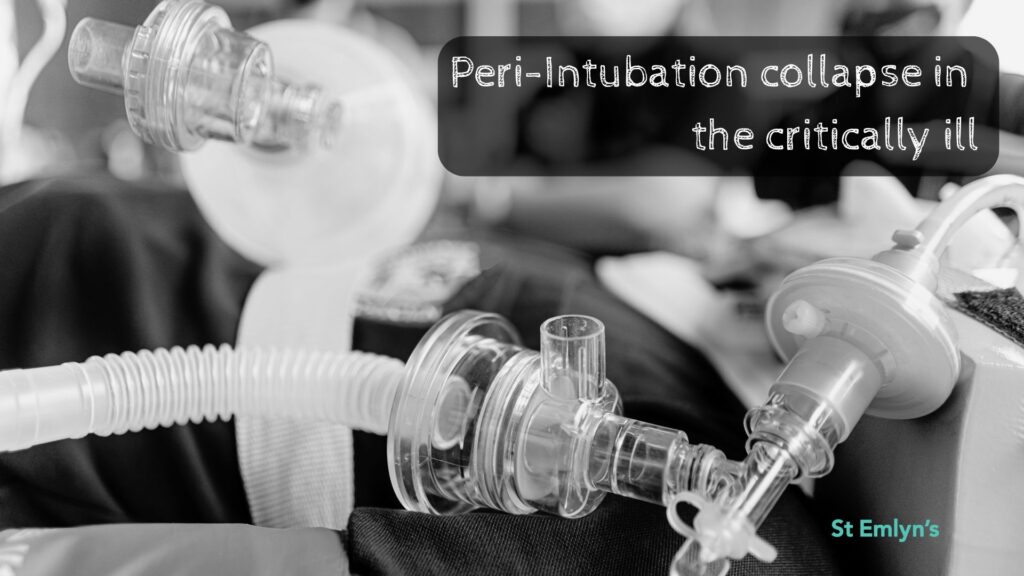
What does the INTUBE cohort tell us about cardiovascular instability around intubation? This appraisal examines the association with propofol, the limits of observational evidence and what the findings may mean for induction drug choices in emergency and prehospital care.
Routine sodium bicarbonate has largely disappeared from modern ALS algorithms, but it continues to be used in many cardiac arrests. We review the BIHCA trial and discuss what it means for emergency physicians and prehospital clinicians.
Effective trauma team leaders don't just manage tasks, they manage time. This tip explains how to give the team clear, realistic milestones and shared priorities without creating pressure to rush or take shortcuts.