Choosing a journal means thinking beyond impact factors. Part one of this series asks who needs your research, how regional readership and access costs affect its reach, and how authors can consider audiences in low- and middle-income countries when deciding where to publish.
What can point-of-care ultrasound add when a patient presents in shock? This 2021 review explores ultrasound protocols, diagnostic accuracy and patient outcomes, questioning a uniform scanning approach and considering how clinical context and pre-test probability can guide a focused examination.
Who gets the opportunity to become an author? Part three of the equitable publishing series explores fair authorship, mentorship and sponsorship, with practical ways to support junior researchers and widen opportunities beyond the colleagues already in our immediate networks.
A practical starting point for students and clinicians interested in emergency care research. Thomas Shanahan, Edd Carlton and Samantha Jones discuss finding a worthwhile question, contributing to local studies, seeking mentorship, joining collaborative networks and developing critical appraisal and writing skills.
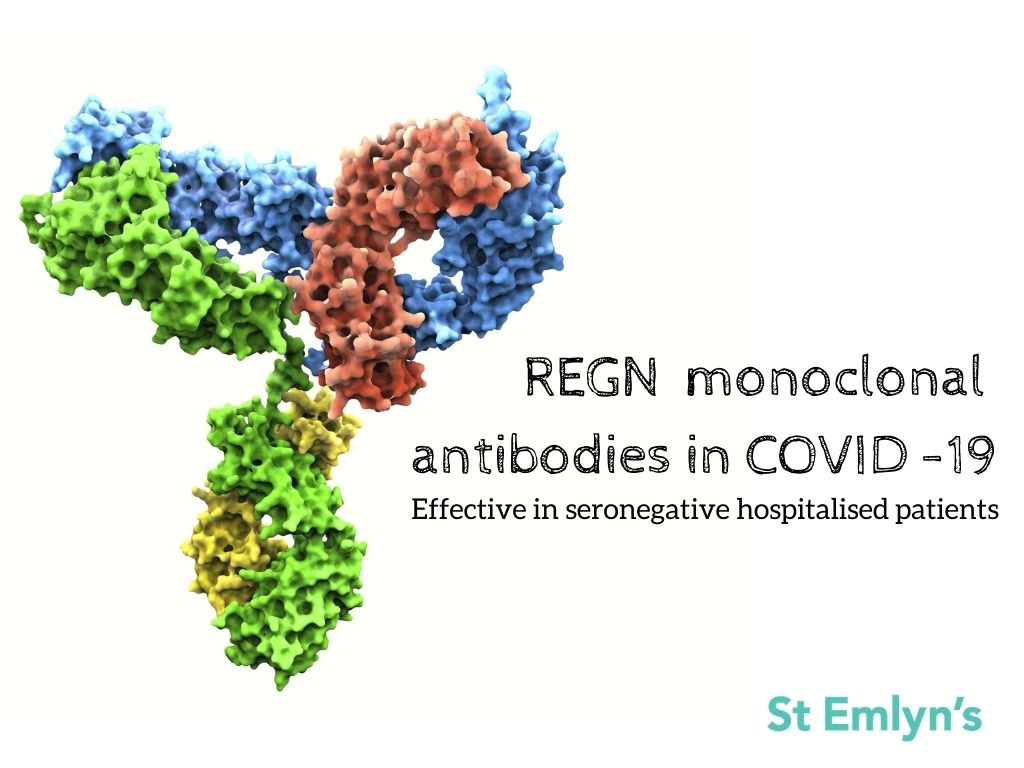
A June 2021 review of early RECOVERY results for casirivimab and imdevimab in hospitalised COVID-19 patients. It explains the reported mortality benefit in patients without detectable antibodies, why that finding did not extend to the whole trial population, and the preliminary evidence available then.
A fictional glimpse of chest pain assessment in 2050. Rick Body follows Fiona through a future of personalised risk prediction, implanted diagnostics and virtual consultation, using medical fiction to explore how technology might change both care and the experience of illness.