The final day of dasSMACC 2017 brings education, human factors and the human cost of healthcare into focus. This report reflects on simulation, learning from failure, burnout and global solidarity, alongside powerful contributions from patients, clinicians and educators.
Day two of dasSMACC 2017 asks how professional tribes, team dynamics and complexity influence care. The report also covers equality, knowledge sharing and resuscitation debates, bringing together reflections on how emergency and critical-care teams work under pressure.
From prehospital simulation to end-of-life conversations, day one of dasSMACC 2017 combined clinical challenges with questions about how medicine learns. This report revisits sickle cell care, self-doubt, patient-centred outcomes and the future of scientific publishing.
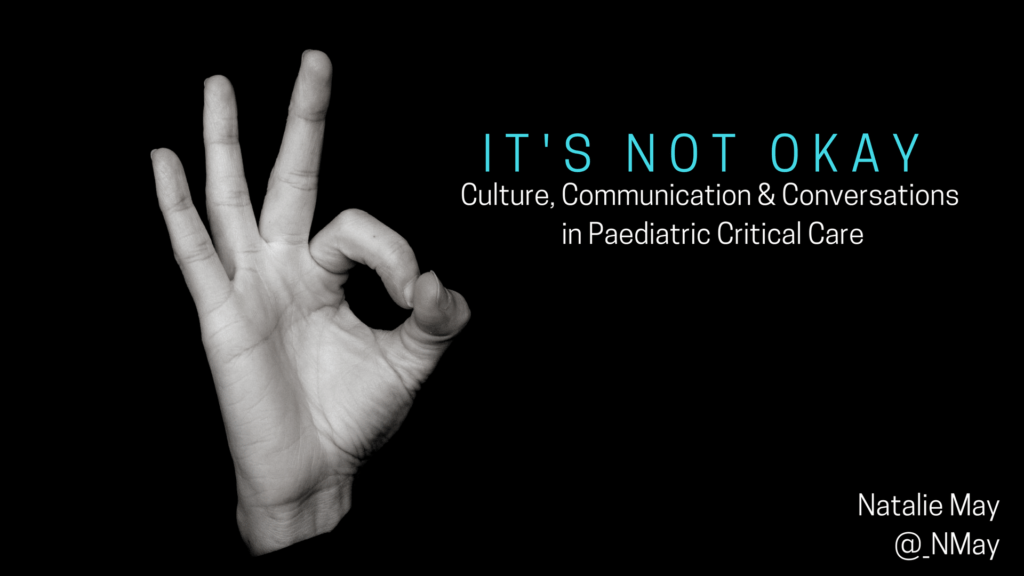
Good paediatric communication involves more than breaking bad news. This dasSMACC teaching post explores cultural assumptions, preparing children and families for procedures, and listening directly to young patients, with practical ways to make consultations more inclusive and honest.
The final day of The Teaching Course in Copenhagen in 2017 focuses on presentations and difficult feedback. The report introduces the P-cubed approach to story, supporting media and delivery, alongside practice using the Giraffe method for challenging conversations.
Day two of The Teaching Course in Copenhagen in 2017 puts educational theory into practice. This report explores simulation for experienced clinicians, designing scenarios, retrieval and spaced learning, and making constructive use of feedback as a lifelong learner.