How can a portfolio support learning rather than become a last-minute paperwork exercise? This account of the ST3 year offers tips on supervision, everyday cases, extended supervised learning events and organisation, with assessment requirements described as they stood in 2017.
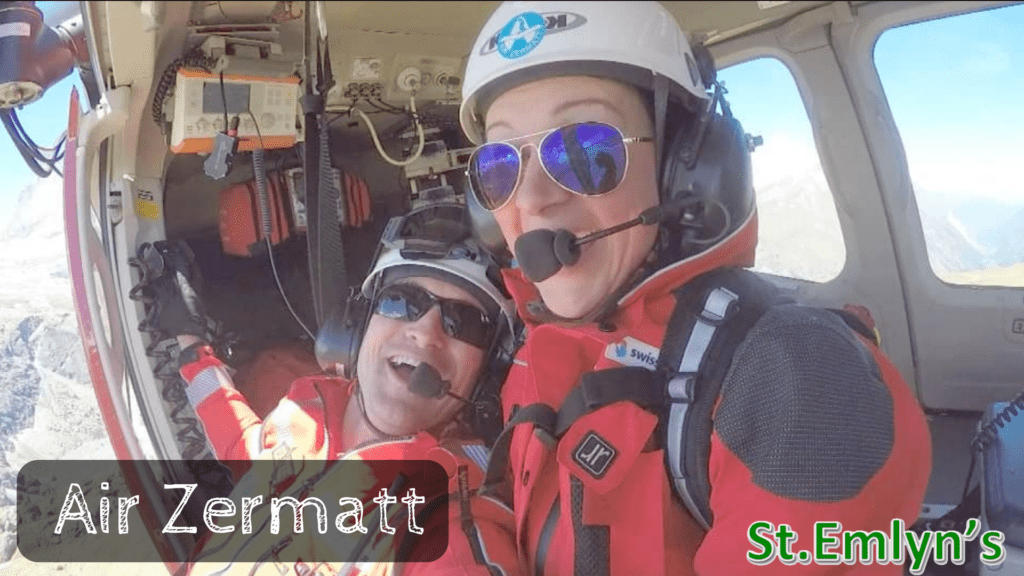
A visit to Air Zermatt prompts Ashley Liebig to reflect on how teams learn from mistakes. Beyond the mountain rescues, she finds mutual respect, openness about near misses and questions about how healthcare educators can build a similar culture.
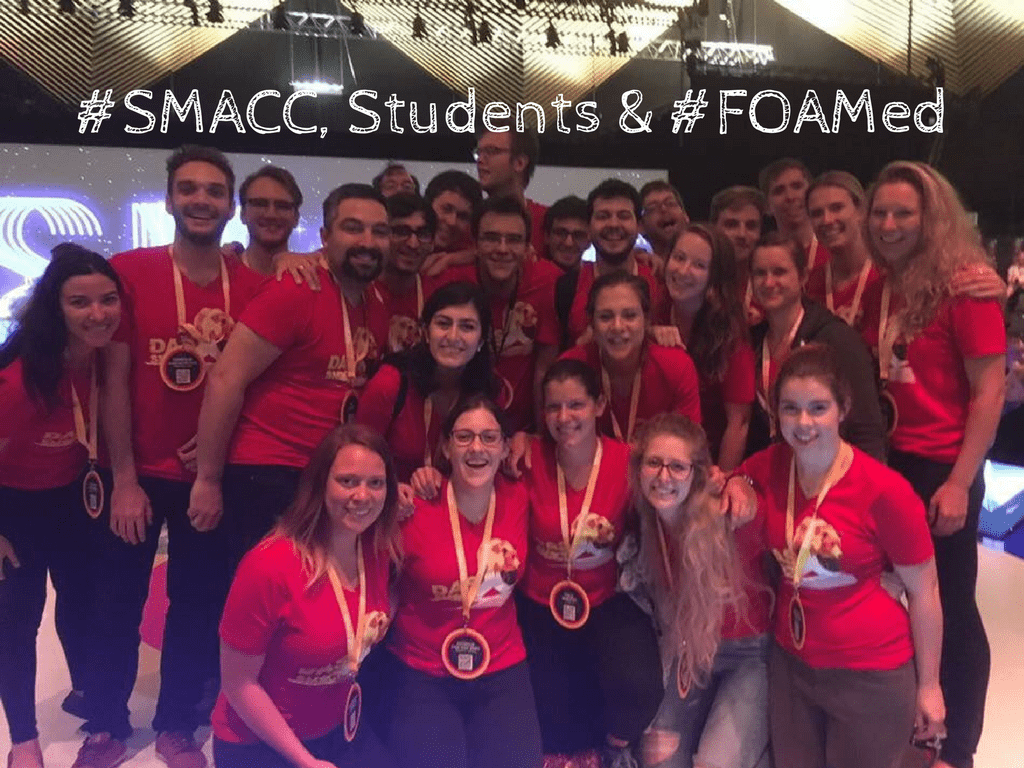
What does a major critical-care conference offer a medical student? A student volunteer reflects on dasSMACC 2017 in Berlin, describing international friendships, encouragement from clinicians and how FOAMed opened up learning opportunities beyond the usual placement experience.
Trainees must demonstrate their competence every year, but how do we assess those who supervise them? This discussion proposes an informal review of educational supervisors’ clinical skills, teaching, feedback and reflection, intended to support development rather than create another compulsory assessment.
How prepared is your department for an attack involving a corrosive substance? This 2017 post discusses decontamination, eye injuries, multidisciplinary care and support for victims, emphasising local planning and specialist toxicology advice rather than using a blog to direct treatment.
A tempting publication offer can leave an inexperienced author with an unexpected bill and an unusable paper. Mike Charlesworth and Lee Feddy argue that deception, inadequate supervision and poor journal selection deserve attention, rather than blaming open access itself.