How prepared is your department for an attack involving a corrosive substance? This 2017 post discusses decontamination, eye injuries, multidisciplinary care and support for victims, emphasising local planning and specialist toxicology advice rather than using a blog to direct treatment.
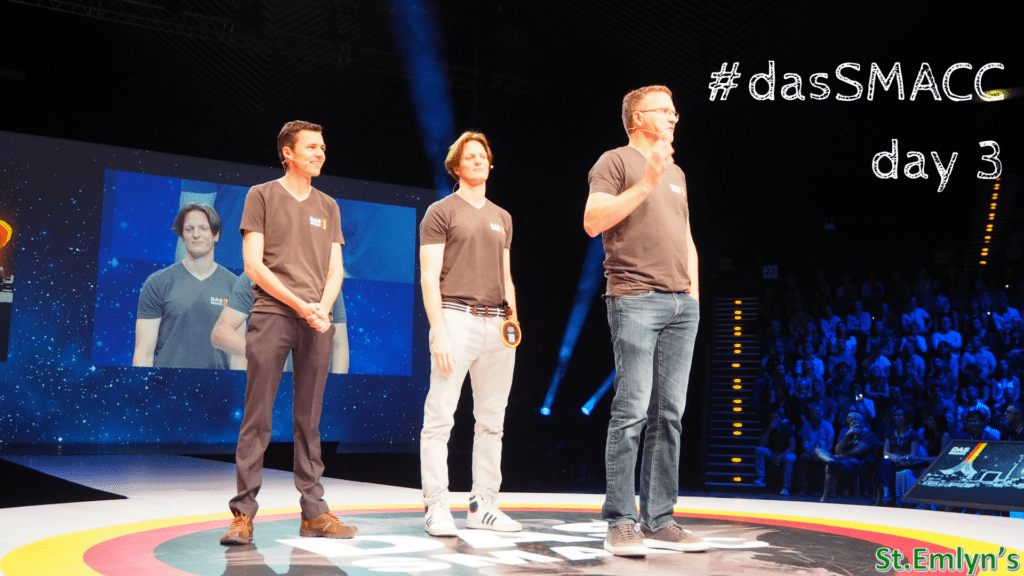
The final day of dasSMACC 2017 brings education, human factors and the human cost of healthcare into focus. This report reflects on simulation, learning from failure, burnout and global solidarity, alongside powerful contributions from patients, clinicians and educators.
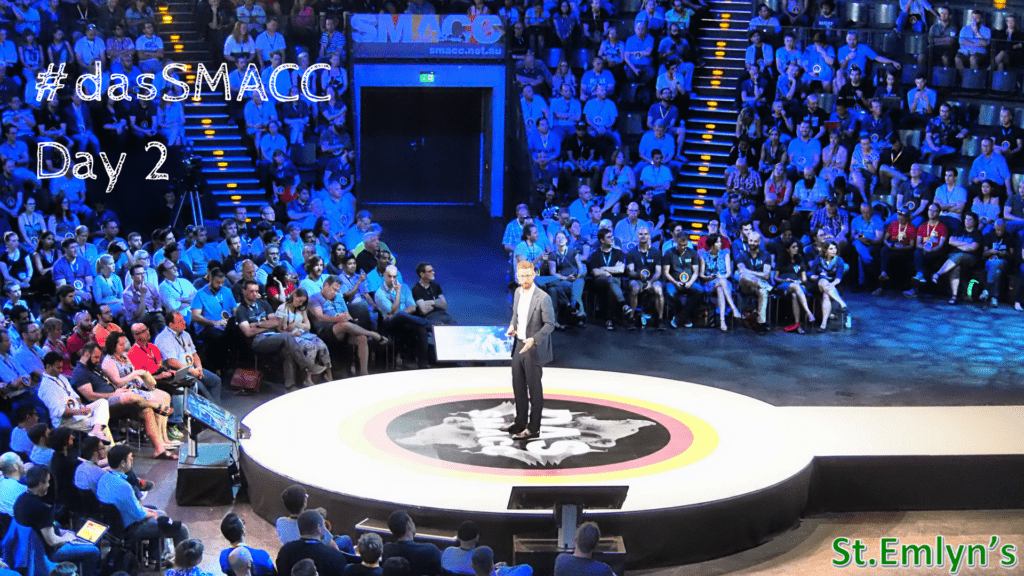
Day two of dasSMACC 2017 asks how professional tribes, team dynamics and complexity influence care. The report also covers equality, knowledge sharing and resuscitation debates, bringing together reflections on how emergency and critical-care teams work under pressure.
From prehospital simulation to end-of-life conversations, day one of dasSMACC 2017 combined clinical challenges with questions about how medicine learns. This report revisits sickle cell care, self-doubt, patient-centred outcomes and the future of scientific publishing.
The final day of The Teaching Course in Copenhagen in 2017 focuses on presentations and difficult feedback. The report introduces the P-cubed approach to story, supporting media and delivery, alongside practice using the Giraffe method for challenging conversations.
Looking for ways to make a workshop genuinely interactive? This collection describes feedback games, communication exercises, role play and small-group tasks, explaining how they have been used and adapted, and why briefing and debriefing matter as much as the activity.