Better communication begins with understanding how others experience us. Drawing on the SMACC communication workshop, this post and accompanying podcast explore listening, signposting, silence, manageable chunks of information and responding compassionately when people struggle to absorb difficult news.
How should new information change a clinical diagnosis? This introduction to Bayesian thinking uses a chest-pain example to explore updating probabilities, reconsidering alternatives after negative tests and avoiding the false reassurance of ruling out only the first diagnosis considered.
Are we teaching today’s learners in ways that only suited our own training? In this 2016 conference companion, Natalie May considers generational assumptions and argues for active learning, supportive supervision and thoughtful use of online resources in medical education.
An introduction to the St Emlyn’s Critical Appraisal Nuggets podcast series, launched in 2016 to help clinicians interpret research and prepare for exams. The first episode brings Simon Carley and Rick Body together to discuss randomisation, with links to further learning resources.
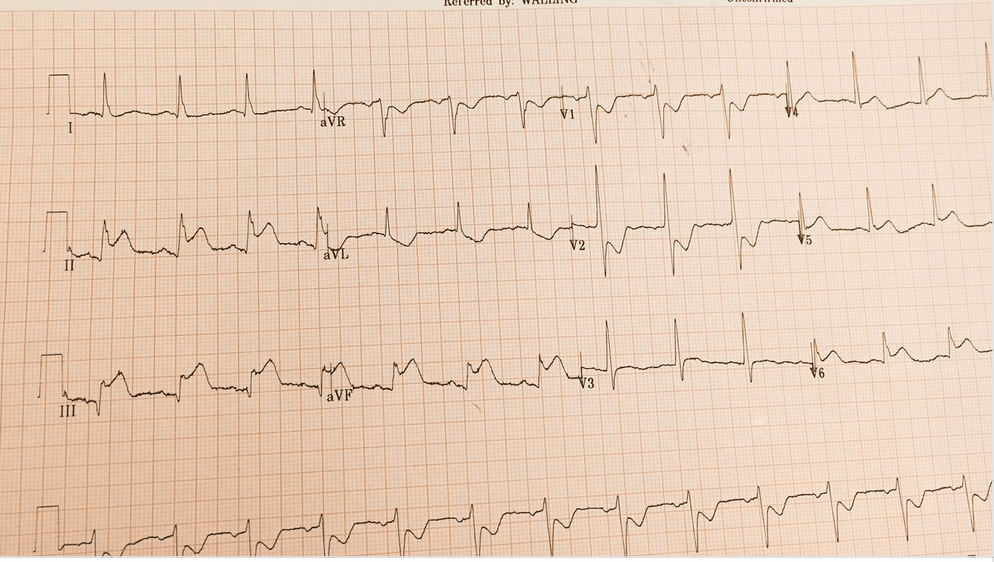
When an emergency physician becomes a patient, familiar clinical encounters can take on a different meaning. This 2016 reflection on Rob Rogers’ publicly shared heart-attack experience considers wellbeing, the patient’s perspective and the lasting value of investing in other clinicians’ education.
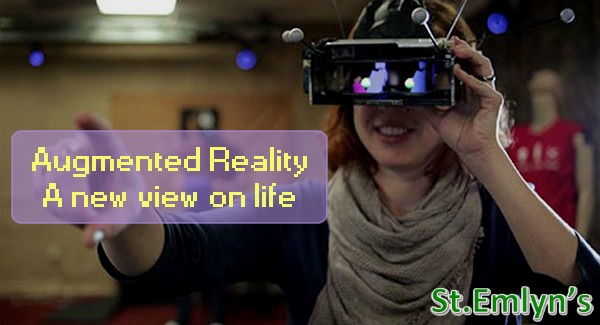
Could augmented reality change clinical practice and medical education? This 2016 overview moves from vein imaging to surgical training and proposed uses in emergency care, distinguishing early applications from future possibilities and noting where evidence of benefit remained uncertain.