Is criticism of ATLS always justified, and what should trauma teams do beyond the course? Alan Grayson explores its role and limitations in this St Emlyn’s Live video and podcast, asking clinicians to examine their own practice as well as the training framework.
How can colleagues help each other improve after formal training ends? In this article supporting his SMACC 2019 talk, Simon Carley explores direct observation and feedback, focusing peer review on understanding clinical decisions and developing practice rather than judging outcomes alone.
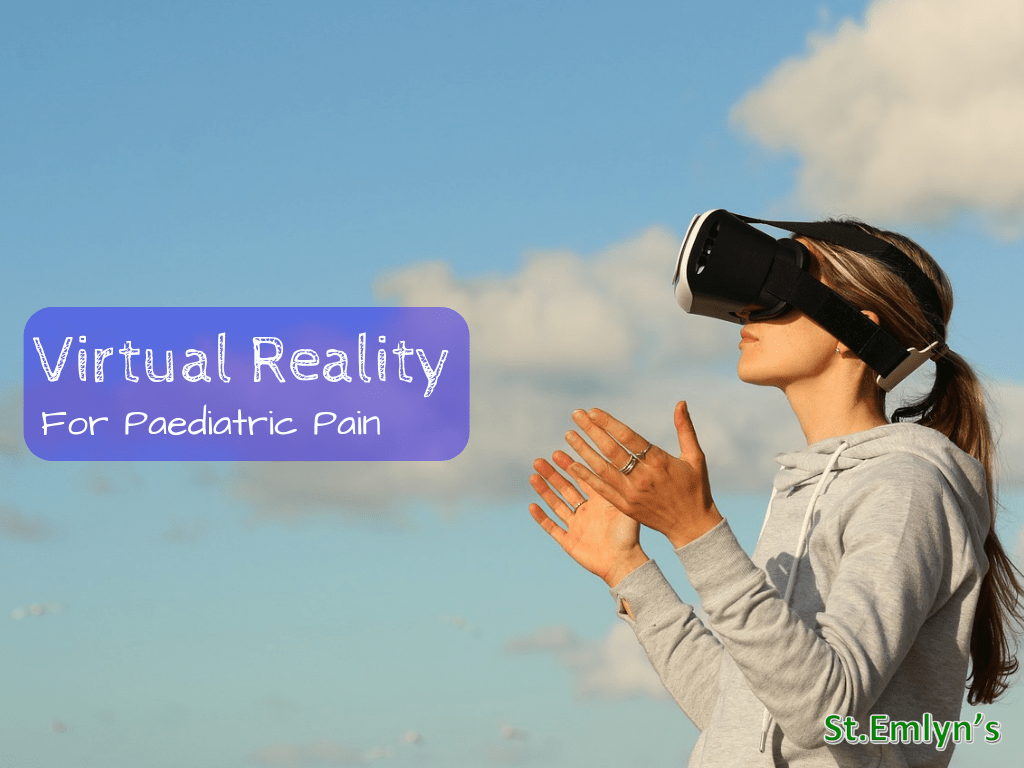
Can virtual reality make venepuncture and cannulation less painful for children? Natalie May appraises a 2019 randomised study, examining pain scores, differences between clinical settings and feedback from children and carers, while considering the limits and practicalities of this distraction technique.
Iain Beardsell and Liz Crowe conclude the Wellbeing for the Broken series with a podcast bringing together its two written reflections. The linked articles explore the emotional impact of a distressing work event and Liz’s experience of finding a way towards recovery.
What happens when a work event leaves you unsure how to carry on? Liz Crowe and Iain Beardsell discuss preparing for a crisis, seeking support, coping with its aftermath and rebuilding a sense of identity beyond the event and the job.
What can an animal study tell us about chest compressions in traumatic cardiac arrest? This 2019 appraisal examines a haemorrhage model in pigs, the role of blood resuscitation and the substantial limits of applying those findings to patients with different causes of arrest.