This discussion of the Academy of Medical Royal Colleges’ 2025 guidance explores how death is defined, diagnosed and confirmed. It considers neurological criteria, evolving technology and the practical and ethical questions these changes raise for emergency and intensive care teams.
A 2023 interview with ChatGPT explores how language models work and their possible uses in emergency medicine and education. The discussion considers limitations, misleading answers and human judgement, alongside the author's reflections on using AI in everyday work.
An April 2021 guide to CODA's online talks and discussions across education, ethics, health and the environment. Simon Carley highlights resources on evidence-based medicine during COVID-19 and the clinical and ethical challenges of responding to the pandemic in Yemen.
A March 2020 account of preparing an emergency department for COVID-19. The Virchester team discusses leadership, PPE and simulation training, staffing, difficult conversations and service capacity, showing how local plans developed while the likely scale and course of the outbreak remained uncertain.
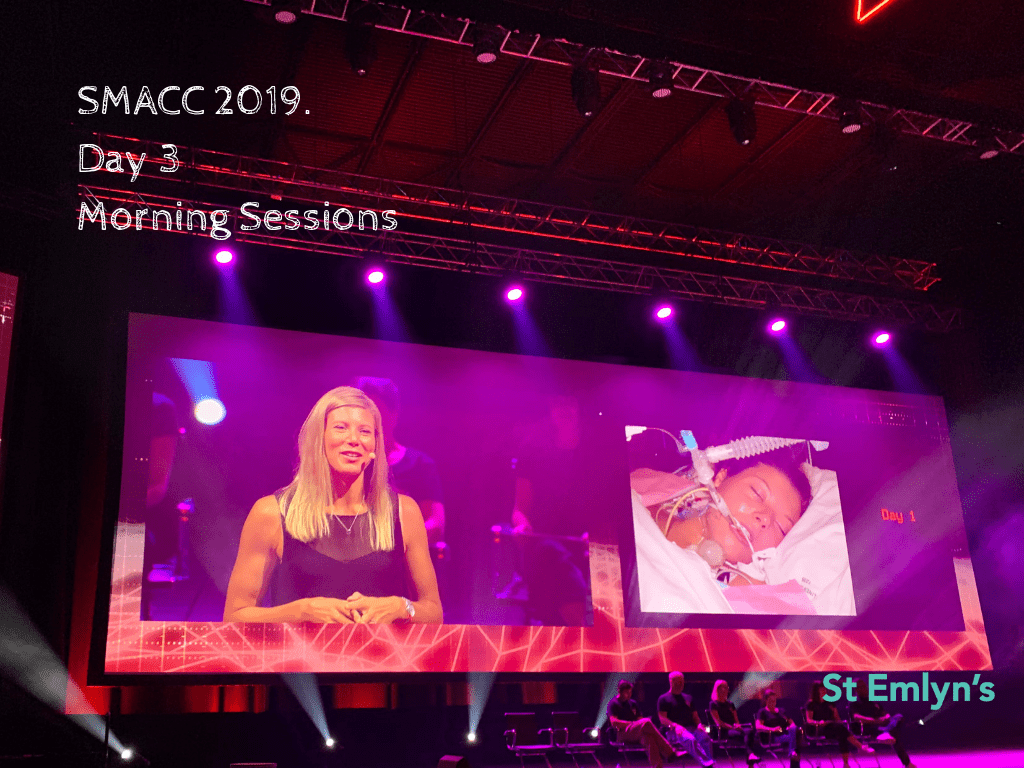
Advocacy and bedside care came together on the final morning of SMACC 2019. This report explores violence prevention, climate change and emergency care in Malawi, alongside debates about resuscitation, intubation and the balance between ultrasound technology and clinicians’ skills.
What makes overseas healthcare volunteering responsible and useful? Drawing on an EUSEM panel, Stevan Bruijns examines preparation, ethical limits, local partnerships and sustainability. The discussion challenges good intentions alone and considers how clinicians can contribute to global emergency care from home as well as abroad.