A first look at the 65 trial as presented at Critical Care Reviews 2020. The review examines lower blood-pressure targets in older intensive care patients with vasodilatory hypotension, reduced vasopressor exposure and uncertainty around mortality, with a discussion of interpretation beyond statistical significance.
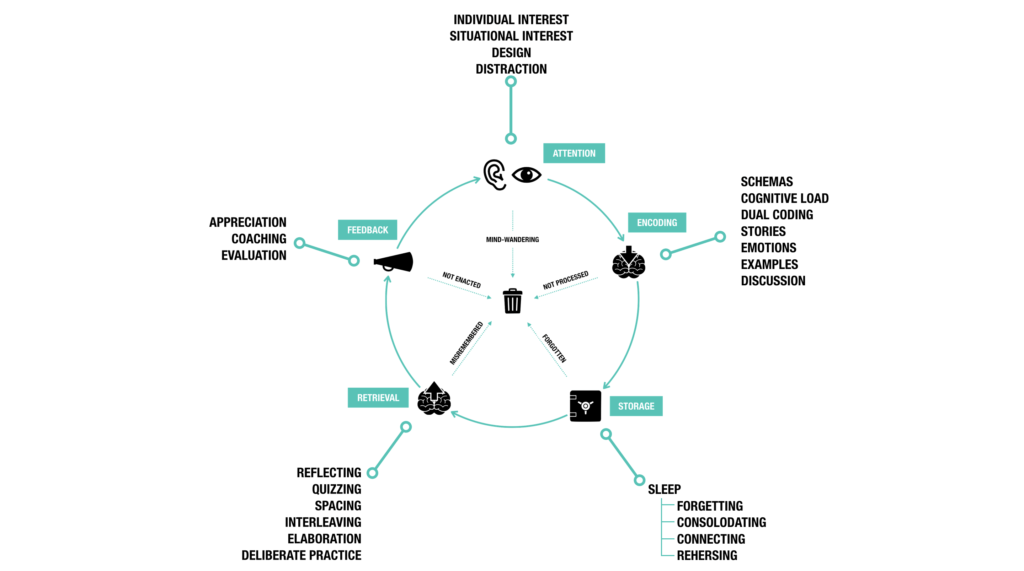
Which ideas from learning science should shape medical education? Nick Smith reviews cognitive load, dual coding, retrieval practice, spacing, interleaving and feedback, while questioning familiar approaches such as learning styles. A reflection on how evidence about learning translated into teaching during the 2010s.
The 2019–2020 St Emlyn's journal club book brings together more than 30 critical appraisals, with links to downloadable editions. The introduction encourages readers to compare interpretations, revisit disputed studies such as CRASH-3 and use the collection to start evidence-based discussions with colleagues.
Why can a satisfying day of emergency procedures be a patient's worst day? Simon Carley's DFTB talk and accompanying reflection examine that tension, the motives behind interventions and the emotional support clinicians and learners need when a resuscitation becomes difficult or ends badly.
Rick Body looks back at a decade of change in emergency diagnostics, from high-sensitivity troponin to decision aids and more individualised estimates of risk. Written as 2020 began, the review also considers where artificial intelligence, point-of-care testing and remote healthcare might take the next decade.
An introduction to St Emlyn's review of emergency care in the 2010s. It brings together reflections on diagnostics and advanced clinical practitioners, while outlining planned contributions on education, wellbeing, equity, training and the changing assumptions behind everyday practice.