Liz Crowe reflects on noise, constant stimulation and the difficulty of finding quiet in a busy life. She explores what silence can offer and suggests ways to make space for it, including small pauses during demanding clinical shifts.
A review of the 2023 ILCOR consensus update, focusing on adult resuscitation. Topics include extracorporeal CPR, double sequential defibrillation, calcium, drowning and prognostication, with attention to the uncertainties in the evidence and the continued importance of basic resuscitation care.
Dan Horner examines CRYOSTAT-2, a randomised trial of early empirical high-dose cryoprecipitate in major trauma haemorrhage. The appraisal explores the mortality results, trial limitations and subgroup findings, and considers what the study means for major haemorrhage protocols.
Iain and Simon's September 2023 roundup revisits resuscitation research, including tranexamic acid in trauma, video laryngoscopy and defibrillation strategies. They also discuss the ten second triage tool, the RCEM scientific conference and wider questions of inequality in global emergency medicine.
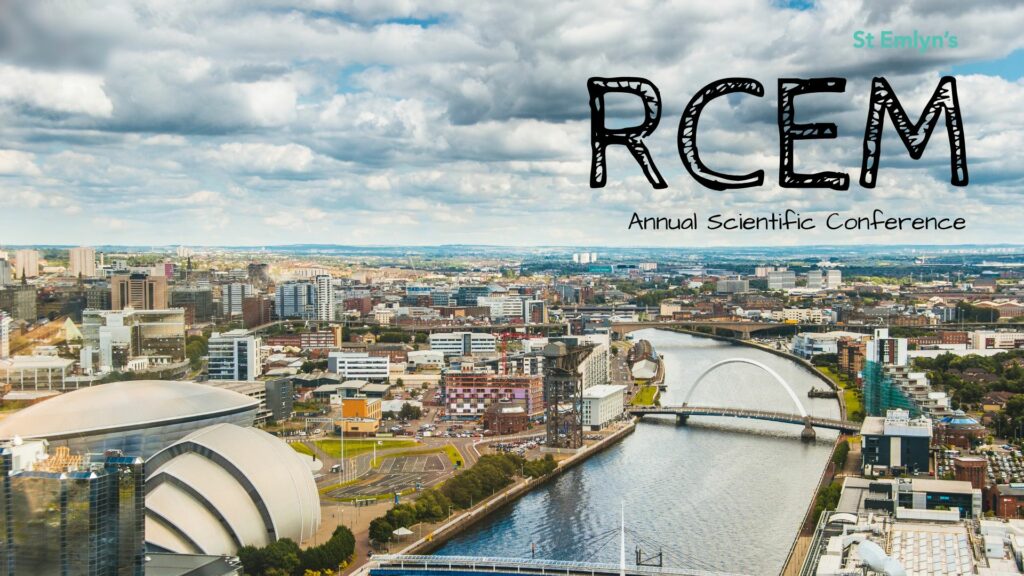
Chris Gray and the team report from the final day of the 2023 RCEM Annual Scientific Conference in Glasgow. Highlights include global health, emergency medicine training and grant-funded research, alongside studies of subarachnoid haemorrhage, chest pain and resuscitative thoracotomy.
In this updated personal reflection, Stevan Bruijns examines racism, privilege and inequality in global emergency medicine. Drawing on his own experiences, he considers whose voices are heard in research and education, and how everyday choices can make collaboration more inclusive.