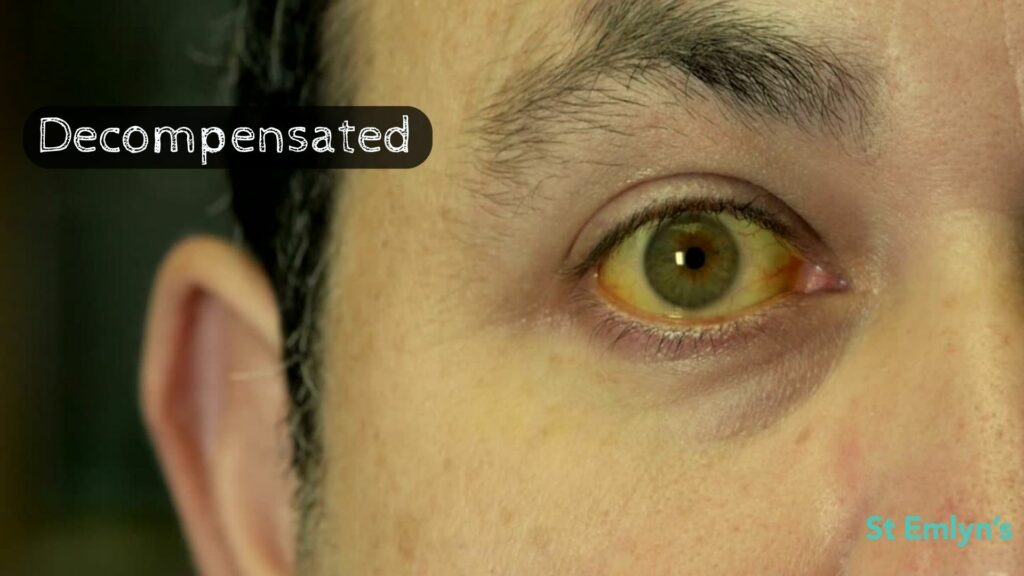
An updated overview of decompensated liver disease in the emergency department, covering assessment, investigation and the search for a precipitating cause. It discusses infection, bleeding, kidney injury, encephalopathy and escalation of care, with the WAVES mnemonic to organise the approach.
How do experienced prehospital clinicians decide when to give blood? This appraisal explores a qualitative study of physicians at two UK air ambulance services, examining the role of experience and uncertainty, and what these decisions can teach us about training and reflection.
Dan Horner examines CRYOSTAT-2, a randomised trial of early empirical high-dose cryoprecipitate in major trauma haemorrhage. The appraisal explores the mortality results, trial limitations and subgroup findings, and considers what the study means for major haemorrhage protocols.
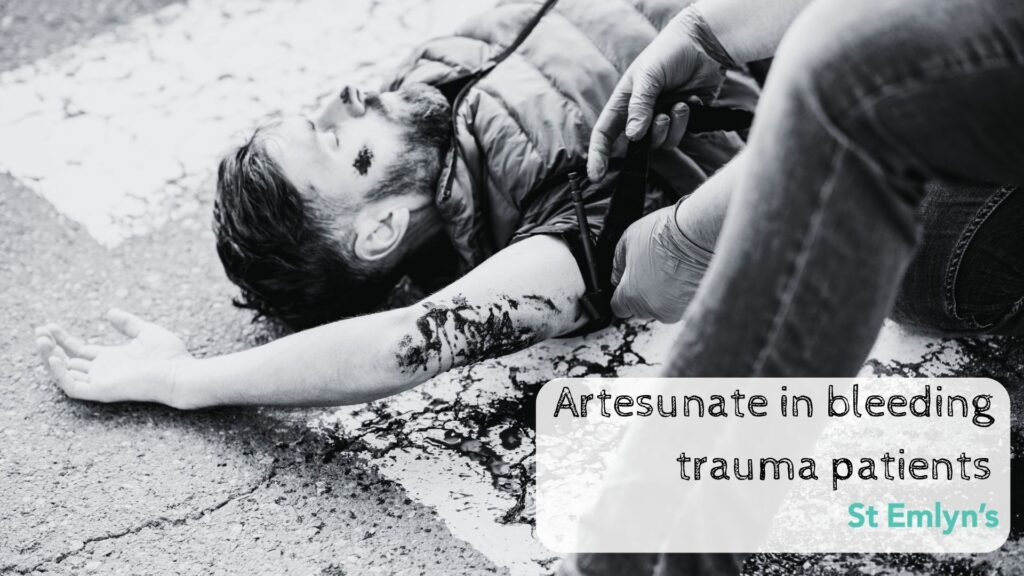
The TOP-ART trial of Artesunate in the treatment of bleeding trauma patients. This RCT shows no benefit and potential harm, but it may be more complex than that. Further work may be needed on immunomodulation in bleeding trauma patients.
What does the PATCH trial tell us about tranexamic acid in major trauma? This appraisal examines the distinction between survival and favourable functional recovery at six months, and why the choice of outcome matters when interpreting the trial.
A 2022 review of UK prehospital blood-product and calcium replacement protocols. The article explores variation between services, the limits of survey evidence and unanswered questions about calcium timing and dose, distinguishing associations with poor outcomes from evidence of treatment benefit.