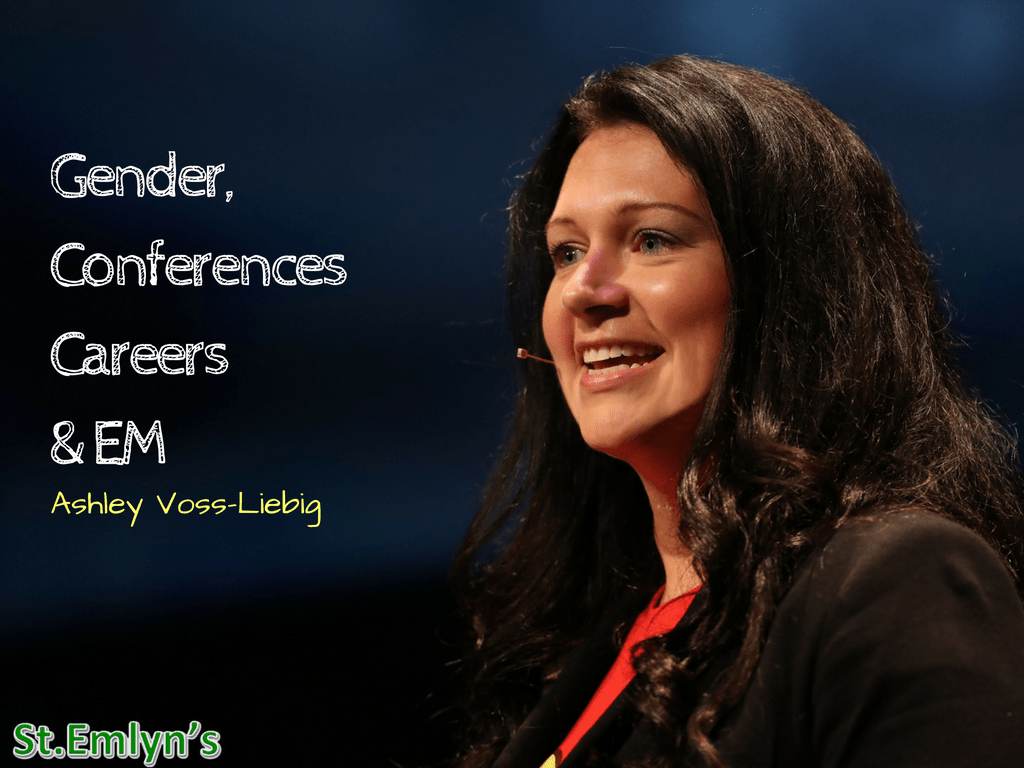
Ashley Voss-Liebig reflects on how research into conference speakers challenged her assumptions about women’s participation in emergency medicine. This 2016 commentary moves beyond speaker numbers to ask how mentoring, visible role models and removing barriers might support women’s careers in the specialty.
What makes emergency medicine trainees feel valued and supported? Reflecting on conversations with trainees in 2016, this post argues for meaningful feedback, supervisors who understand the curriculum, accessible consultant support and fairer rotas as investments in the specialty’s future.
Better communication begins with understanding how others experience us. Drawing on the SMACC communication workshop, this post and accompanying podcast explore listening, signposting, silence, manageable chunks of information and responding compassionately when people struggle to absorb difficult news.
How should new information change a clinical diagnosis? This introduction to Bayesian thinking uses a chest-pain example to explore updating probabilities, reconsidering alternatives after negative tests and avoiding the false reassurance of ruling out only the first diagnosis considered.
Are we teaching today’s learners in ways that only suited our own training? In this 2016 conference companion, Natalie May considers generational assumptions and argues for active learning, supportive supervision and thoughtful use of online resources in medical education.
An introduction to the St Emlyn’s Critical Appraisal Nuggets podcast series, launched in 2016 to help clinicians interpret research and prepare for exams. The first episode brings Simon Carley and Rick Body together to discuss randomisation, with links to further learning resources.