Why does a diagnosis seem to appear everywhere just after we learn about it? This exploration of the Baader–Meinhof phenomenon connects selective attention and confirmation bias with history-taking and investigation, asking clinicians to test alternative explanations and seek another perspective when needed.
When might withdrawal of life-sustaining treatment be considered in the emergency department? Using hypothetical cases and the 2008 UK code of practice, this 2016 discussion explores uncertain prognosis, reversible causes, patient wishes and the need for senior colleagues and families to be involved.
What makes a career in emergency medicine feel fulfilling? Drawing on Maslow’s ideas, Simon Carley explores personal growth, the conditions needed to thrive at work and the satisfaction of helping others develop, while acknowledging the pressures that can undermine those ambitions.
As UK emergency medicine approached its fiftieth anniversary, Simon Carley used a midlife-crisis analogy to reflect on the specialty’s development. This 2016 essay considers professional identity, external pressures, career choices and the search for a satisfying working life, with a deliberately humorous edge.
Does repeating a skill make us better, or simply more practised at doing it the same way? Simon Carley explores deliberate practice through clinical, musical and sporting examples, emphasising focused tasks, feedback, reflection and coaching when time for learning is limited.
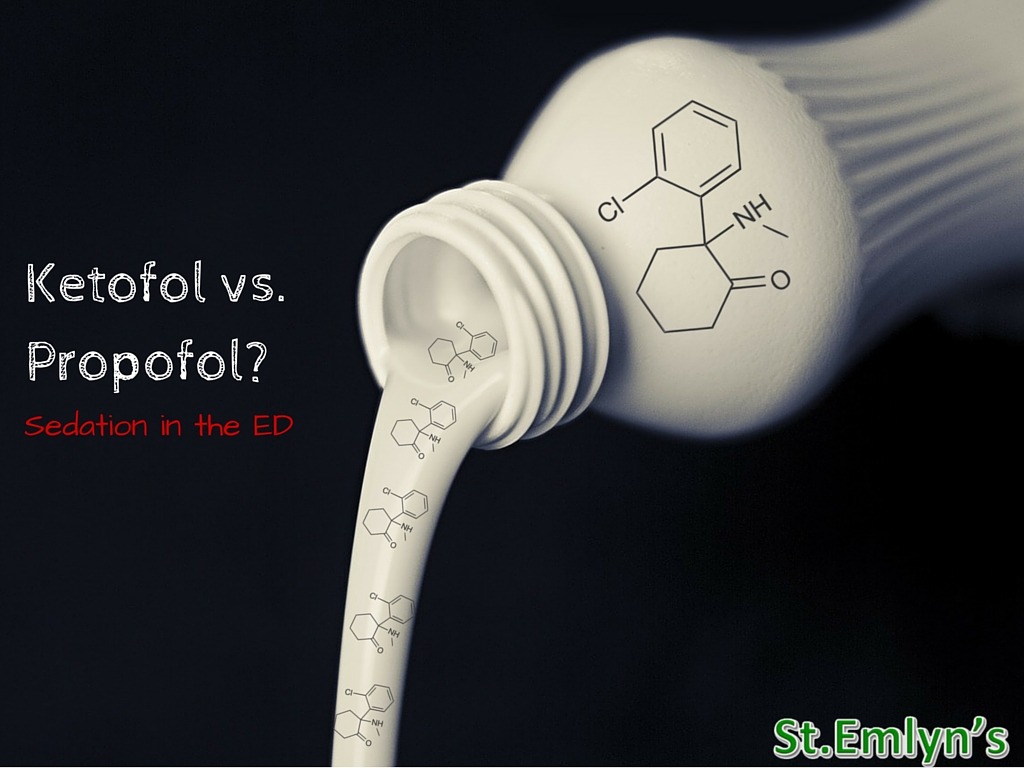
Does combining ketamine and propofol improve procedural sedation compared with propofol alone? This 2016 appraisal examines a systematic review’s complication findings, questioning how differences in patients, procedures and drug regimens—and limited information on sedation success—affect its relevance to emergency departments.