When does a useful educational tool start taking too much of our attention? Iain Beardsell reflects on constant phone-checking, family life and his own relationship with social media, explaining why he planned a week away from apps to reconnect with the world around him.
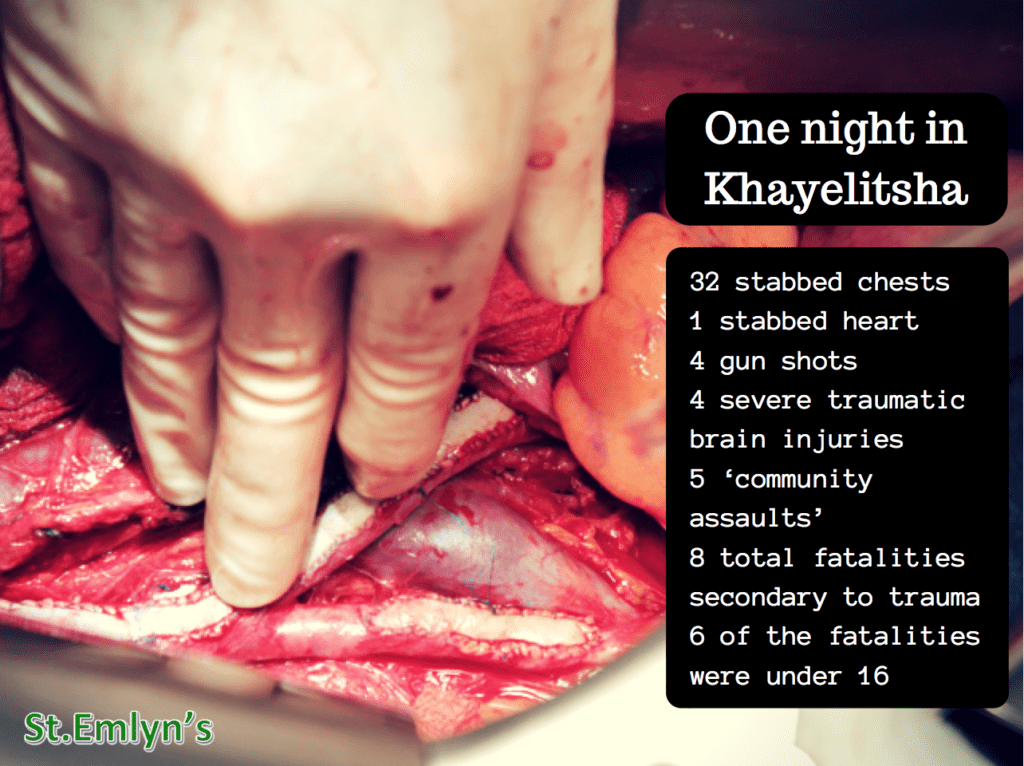
Robert Lloyd reflects on three months working in South Africa and the effect of acute stress on his clinical performance. He describes how repeated practice, mental rehearsal, preparation, self-talk and breathing helped him cope, then considers how simulation might prepare others for pressure.
What happens when an educator leaves enough silence for a learner to think? Natalie May explores ‘wait time’ before and after answers, reflects on a recording of her own teaching and suggests ways to notice interruptions, tolerate pauses and improve educational conversations.
Does hypertonic saline offer better outcomes than mannitol after traumatic brain injury? This 2016 appraisal explores the limited comparative evidence, distinguishes changes in intracranial pressure from outcomes that matter to patients and considers the uncertainty surrounding temporary treatment before definitive care.
Small changes can make an emergency department visit feel less frightening for a child. Inspired by ICEM 2016, this reflection explores welcoming children, involving caregivers, using play, listening carefully and respecting dignity, with children’s rights at the centre of the encounter.
Following Prince’s death in 2016, Rick Body reflects on what clinicians might learn from his response to a rain-soaked performance. The post connects resilience, humour and hope with the emotional tone we bring to patients and colleagues during difficult times in healthcare.