When does confidence in the emergency department become overconfidence? Prompted by personal feedback, this reflection explores diagnostic uncertainty, missed opportunities to learn from patient outcomes and practical ways to seek advice, follow up decisions and invite honest feedback from colleagues.
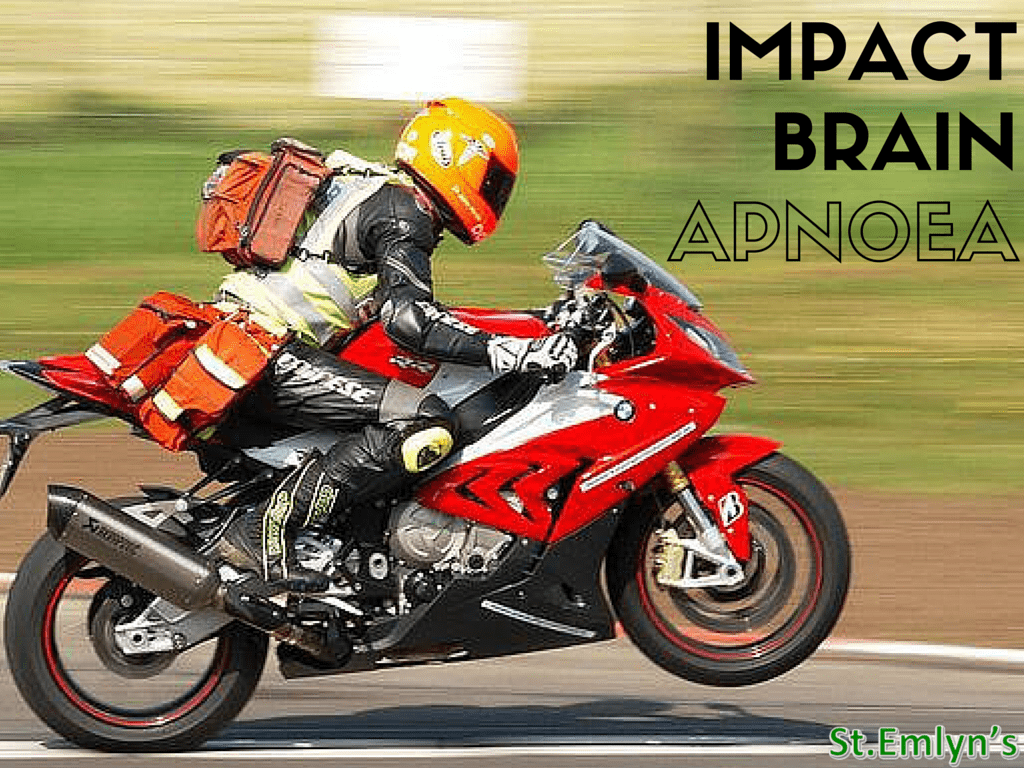
Simon Carley introduces a 2016 paper he co-authored on impact brain apnoea, drawing on observations from motorsport and prehospital care. The post also honours John Hinds’ contribution to the work and reflects on how clinicians’ shared experiences can prompt research questions.
Could platelet transfusion worsen outcomes after spontaneous intracerebral haemorrhage in patients taking antiplatelet drugs? This 2016 appraisal examines the PATCH trial’s unexpected findings, functional outcomes and limitations, asking why a biologically plausible treatment might fail to help the patients it was intended to benefit.
A historical review of the 2016 RCEM guidance on acute behavioural disturbance in the emergency department. The post discusses de-escalation, the risks of restraint, sedation, assessment for underlying illness and early senior involvement when severe agitation accompanies physiological instability.
How can clinicians support a bleeding trauma patient while definitive haemorrhage control is being arranged? This 2016 discussion explores resuscitation physiology, fluids, vasopressors and treatment endpoints, setting out the authors’ perspective while acknowledging limited evidence and the importance of the wider trauma system.
A patient’s chest pain has resolved and the emergency department ECG looks relatively reassuring. This teaching case asks what information might still be missing, using the contrast with an earlier ambulance tracing to explore dynamic ECG changes and the importance of clinical detective work.