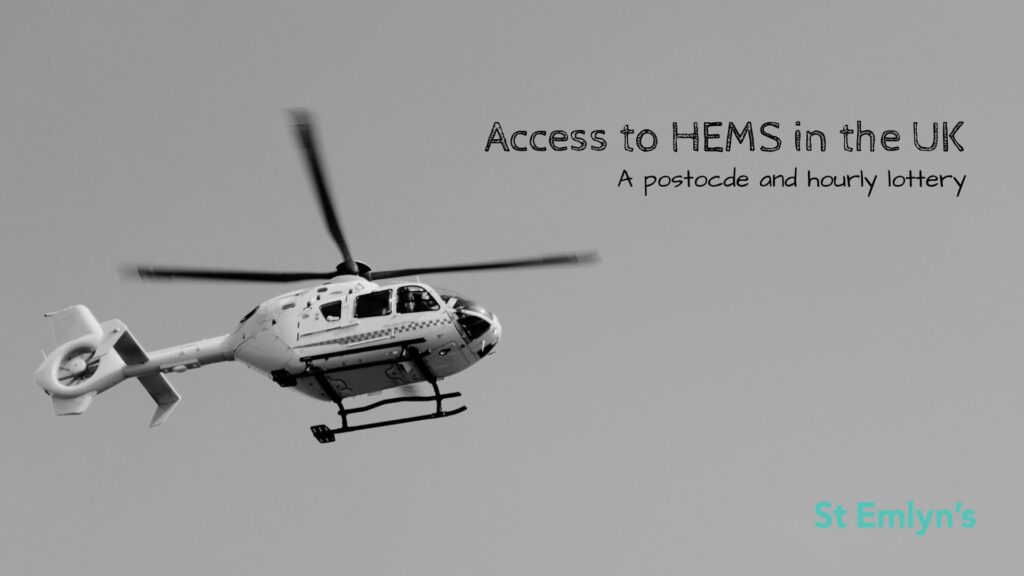
Physician-based HEMS provision in the UK has expanded significantly since 2009, but variation remains. This St Emlyn’s review examines access, funding models and whether a largely charity-led system can deliver national equity.
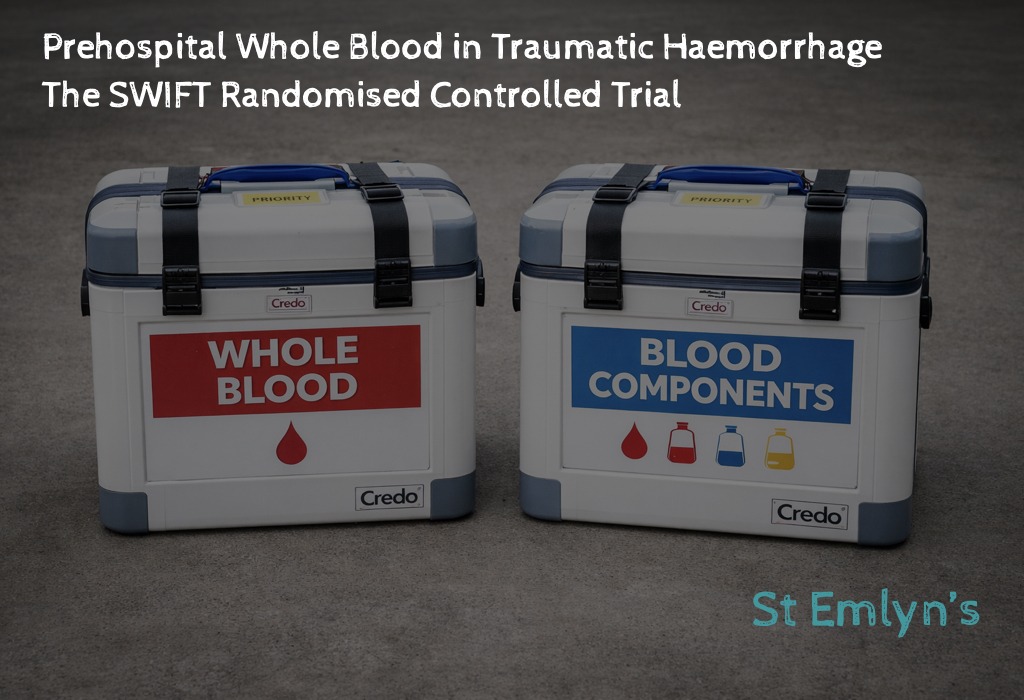
Does prehospital whole blood improve outcomes compared with blood components in traumatic haemorrhage? We critically appraise the SWiFT randomised trial, including its findings on death or massive transfusion within 24 hours and the limits of testing a prehospital-only intervention.
In this episode, we talk to Sheldon Cheskes about the evolving science of cardiac arrest, with a focus on refractory and recurrent ventricular fibrillation. We explore the evidence behind double sequential external defibrillation (DSED), how it compares to standard defibrillation, and what the DOSE VF trial has changed in practice. It’s about understanding why defibrillation fails, how vector and energy delivery matter, and when a different approach might improve outcomes.
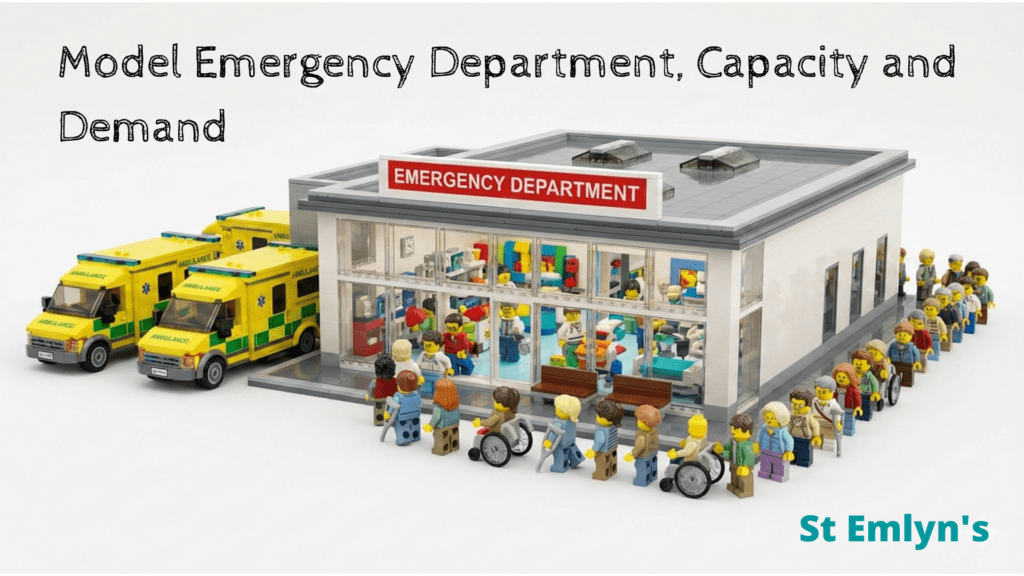
NHS England’s Model Emergency Department guidance asks trusts to include demand and capacity modelling in implementation plans. But that is harder than it sounds. Much of future emergency care demand comes from residual factors such as technology, supply-induced demand and access barriers, which traditional modelling often misses.
A review of the 2026 AHA/ACC multi-society guideline on acute pulmonary embolism, covering its A–E clinical categories, diagnostic approach, treatment and follow-up. The article considers the changes alongside UK practice and explains where the author sees their greatest relevance.
This November and December 2025 podcast round-up revisits medical training reform, trauma leadership and patients bringing AI advice into the consultation. It also discusses ondansetron in paediatric gastroenteritis and acetylcysteine protocols for paracetamol poisoning.