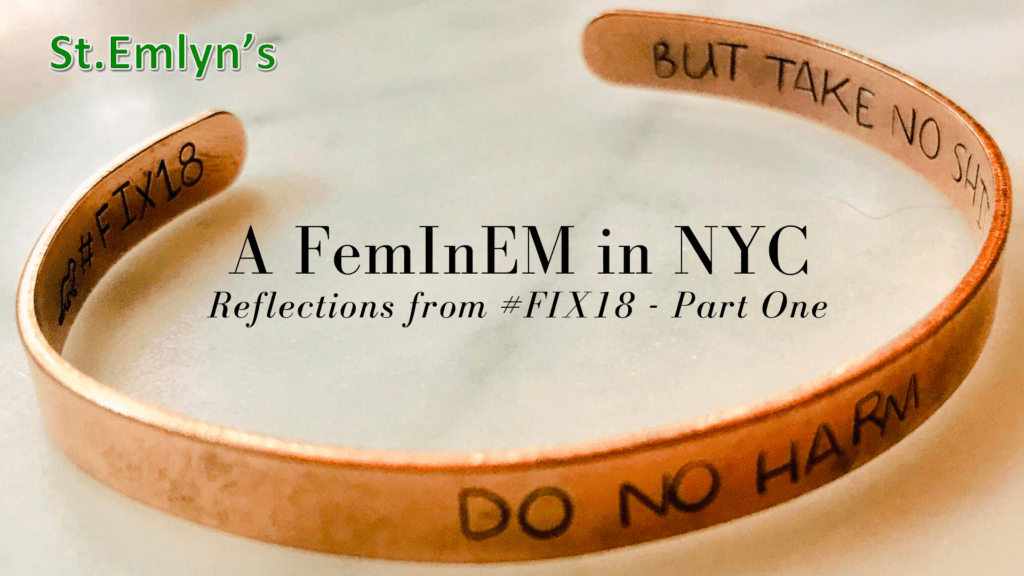
Natalie May shares learning from the opening sessions of the 2018 FemInEM Ideas Exchange. Her reflections connect gender equity, racial and gender bias, uncertainty and the human experience of being a doctor, asking how listening to different stories can challenge assumptions and support more inclusive workplaces.
The August 2018 podcast roundup revisits learning from EMSA, clinical apps, biotin interference with troponin testing and the CESR route. Its written guide also links a review of intravenous fluids in critical illness and a discussion of moral injury in emergency and prehospital care.
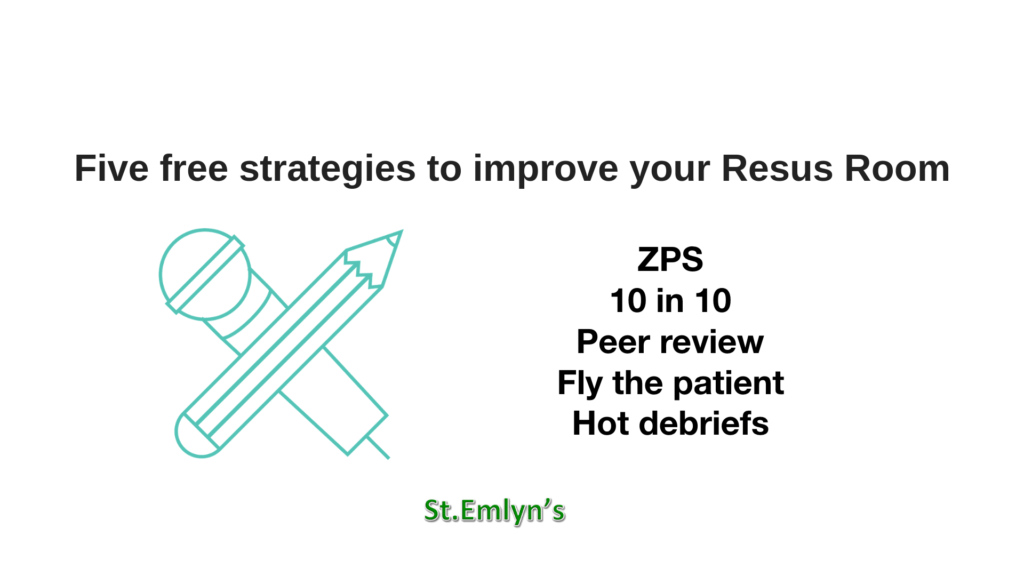
Simon Carley sets out five approaches to resuscitation practice that require no new equipment: preparation with the Zero Point Survey, regular team updates, separating immediate care from strategic thinking, peer observation and hot debriefs. This St Emlyn’s Live 2018 talk focuses on how teams work together.
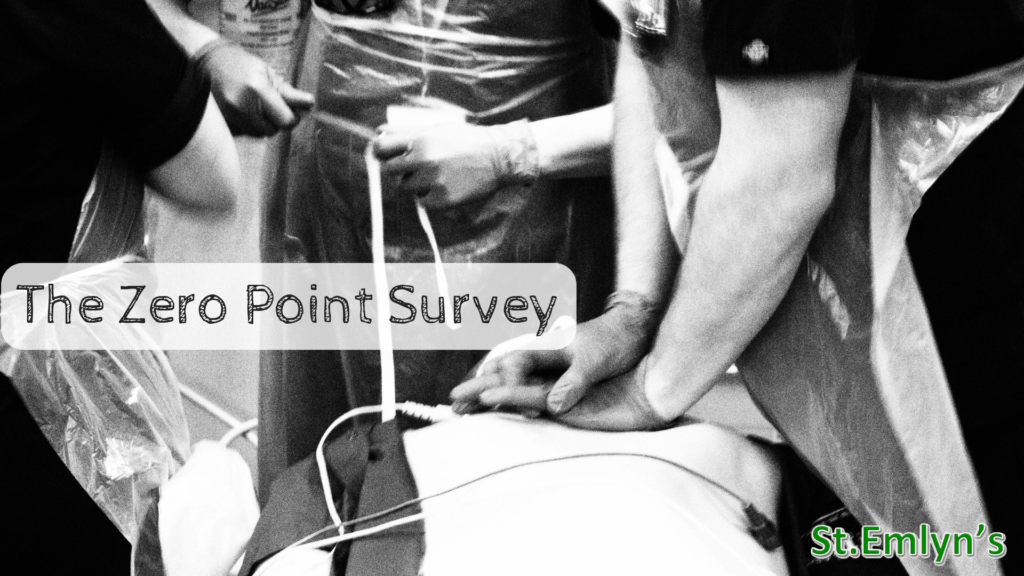
Resuscitation begins before the patient arrives. Simon Carley introduces the Zero Point Survey and its focus on the clinician, team and environment, explaining how shared preparation and mental models can be practised in simulation. He also reflects on role allocation and integrating the approach into everyday resuscitation training.
Why do clinical stories help learning stick? Simon Carley explores narrative learning in emergency medicine, from patient perspectives and the hidden curriculum to digital teaching. He considers confidentiality, the risks of reinforcing professional stereotypes and practical ways to build purposeful stories around evidence and learning goals.
How do privilege and prejudice shape access to emergency care? In this reflection on equality and global health, updated in 2023, Stevan Bruijns challenges his own assumptions and asks readers to consider whose experiences, research and opportunities are represented in medicine.