What stays with clinicians after a lesson learned the hard way? Natalie May reflects on an EMSA 2018 session covering handover, prehospital priorities, career values and preparation. Her own contribution examines implicit bias, privilege and the need to understand a patient’s perspective rather than assume it matches our own.
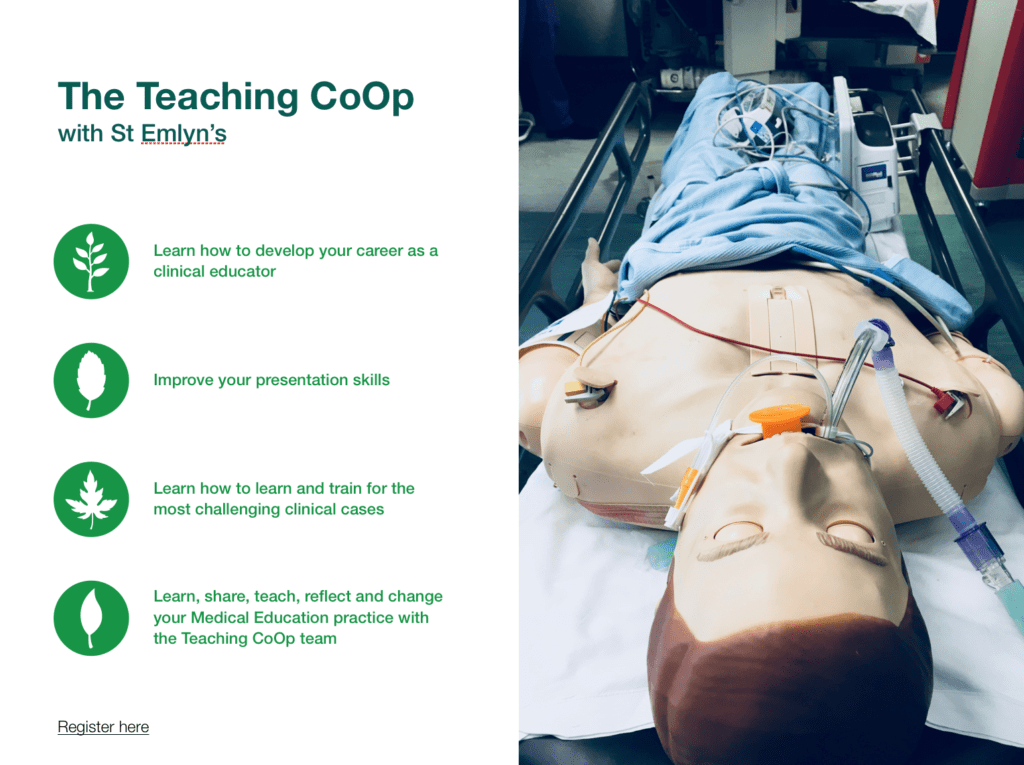
This archived update introduces the programme for the Teaching CoOp course held in Manchester on 10–12 October 2018. It brings together the course information and downloadable brochure prepared for delegates ahead of the event.
Can short-term targets distract us from the purpose of healthcare? Craig Ferguson uses finite and infinite game theory to explore the tension between measurable performance and lasting quality, including how targets can distort priorities, consume resources and produce unintended consequences in emergency medicine.
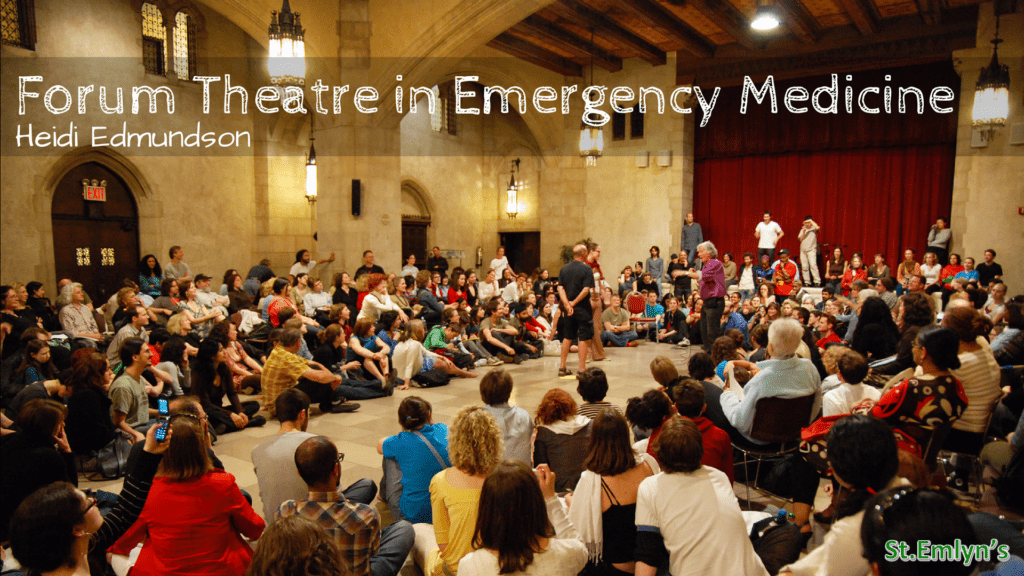
Heidi Edmundson describes bringing Forum Theatre into the emergency department to explore communication, power and staff wellbeing. By replaying difficult situations with audience members trying alternative responses, the project gave colleagues a way to examine everyday tensions together and consider how interactions might change.
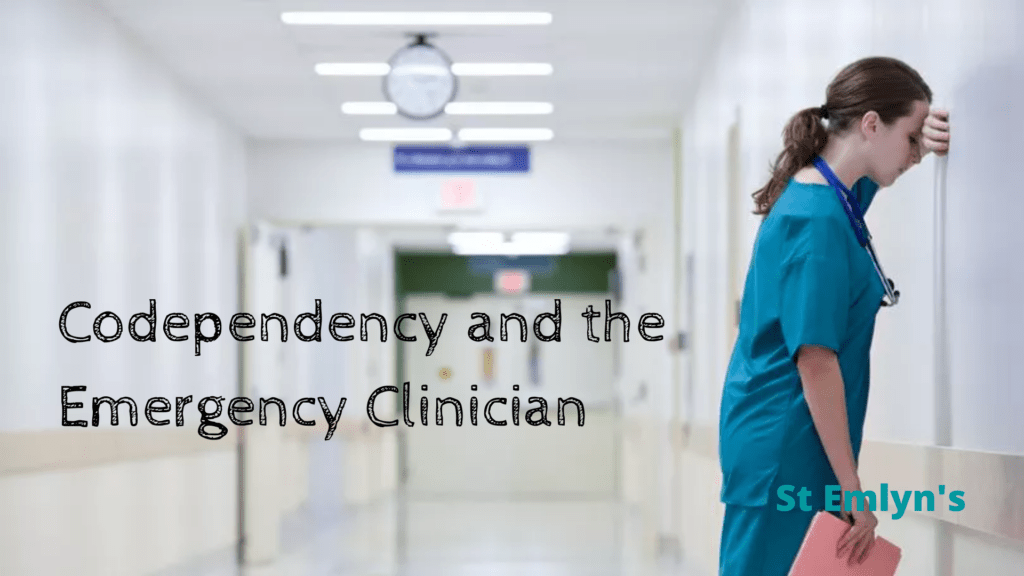
Stevan Bruijns offers a personal perspective on codependency in emergency care, exploring overcommitment, conflict and the roles of victim, rescuer and persecutor. This deliberately challenging reflection asks how clinicians might recognise unhelpful relationship patterns and make space for their own wellbeing.
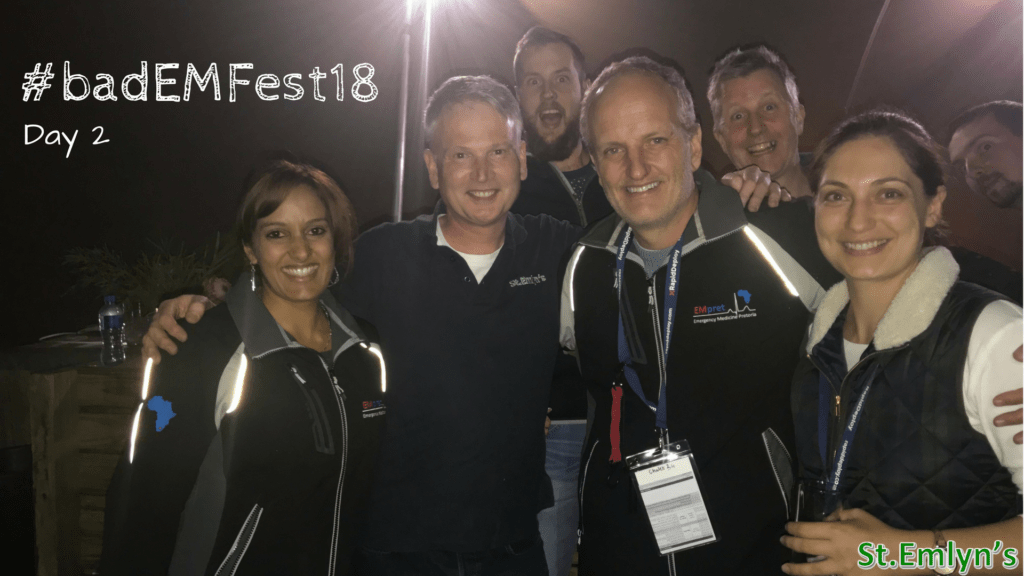
The second day of badEMfest 2018 combines practical emergency care with questions about leadership and humanity. This report covers paediatric problems, imaging in pregnancy, trauma resuscitation and South African emergency services, alongside feedback, staff support, sleep and kindness in clinical encounters.