
Your Patient Already Asked ChatGPT
8 min read
Patients are consulting AI more and more before attending ED. What does the research say, and how should clinicians respond? Some great advice on what to do when this happens.
Patients are consulting AI more and more before attending ED. What does the research say, and how should clinicians respond? Some great advice on what to do when this happens.
Philosophy of Emergency Medicine
Based on a talk at EuSEM 2024, this reflection examines the ethical questions surrounding artificial intelligence in emergency care. Thought experiments explore trust, bias, privacy and the human relationship with patients, alongside AI's potential clinical uses.
Chris Bishop discusses the emerging use of VA ECMO for cardiovascular failure after trauma in this Tactical Trauma 2024 podcast. The interview considers patient selection after haemorrhage control, bleeding risks and the limited experience available to guide this approach.
A 2023 interview with ChatGPT explores how language models work and their possible uses in emergency medicine and education. The discussion considers limitations, misleading answers and human judgement, alongside the author's reflections on using AI in everyday work.

Could the computers already in an emergency department become a teaching resource? This practical guide explains how to use desktop backgrounds for short learning points and safety messages, while reflecting on a study that encouraged informal discussion without demonstrating better test scores.
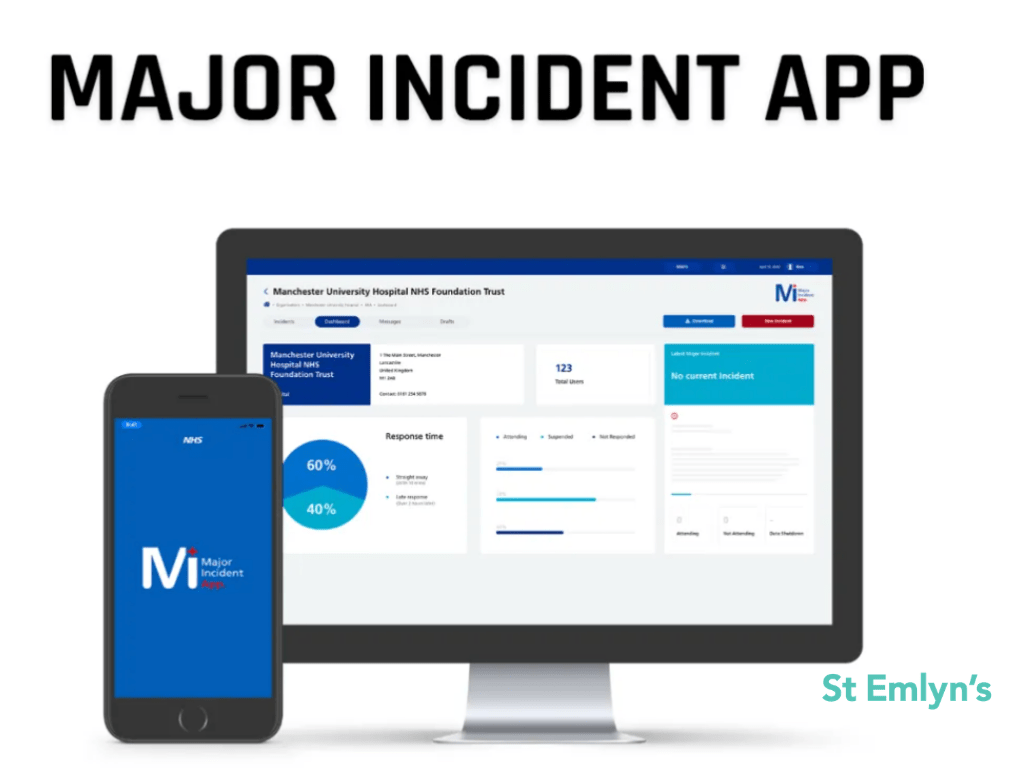
After the Manchester Arena attack, Peter Hulme saw the limits of phone cascades and messaging groups for recalling emergency staff. This 2020 account follows the development of the Major Incident App, from alerting and coordinating responders to funding, industry collaboration and lessons learned.
Practical perspectives on trauma care and team leadership.
Explore the series →