
To squeeze or not to squeeze. The ARISE-FLUIDS trial
21 min read
Does early vasopressor therapy improve outcomes in septic shock? We review the ARISE-FLUIDS trial presented at Critical Care Reviews 2026.
Does early vasopressor therapy improve outcomes in septic shock? We review the ARISE-FLUIDS trial presented at Critical Care Reviews 2026.
Recorded at Trauma 2030 at the Royal College of Surgeons in London, the conversation explores what it means to lead exceptional teams in one of the most high-pressure areas of emergency medicine. Anna reflects on six years as Clinical Lead for London HEMS, sharing lessons on leadership, culture, psychological safety, difficult conversations, managing strong personalities, and supporting clinicians to do their best work.
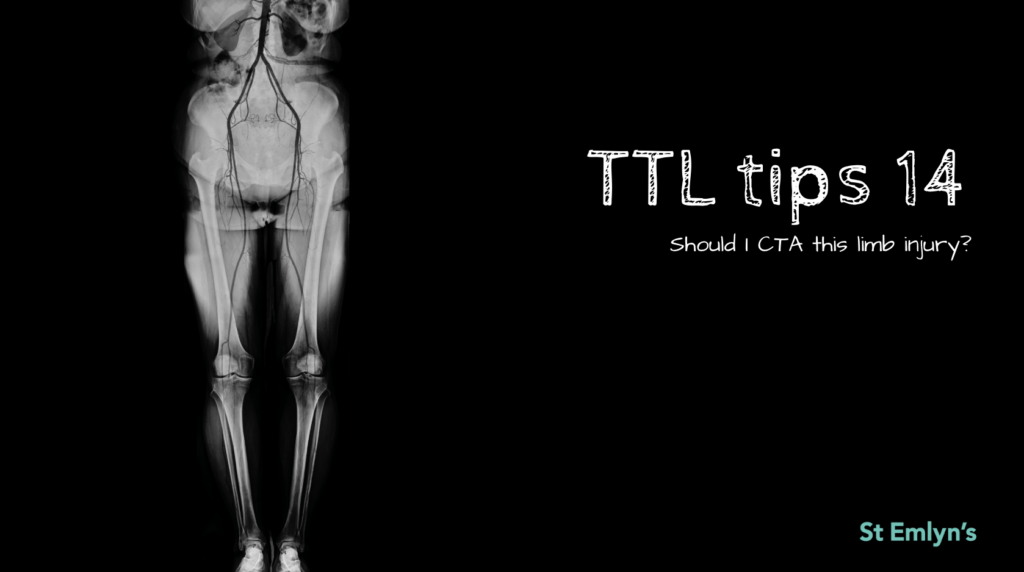
Arterial injuries can be easy to miss. Learn how trauma team leaders recognise hard and soft signs of vascular injury, identify high-risk injury patterns and expedite limb-saving care.
Trauma Team Leader TipsResuscitation

Effective trauma team leaders don't just manage tasks, they manage time. This tip explains how to give the team clear, realistic milestones and shared priorities without creating pressure to rush or take shortcuts.
What makes an excellent emergency physician? Is it knowledge, technical skill or diagnostic brilliance? Drawing on research, personal experience and lessons from a career in emergency medicine, we explore the qualities that truly define clinical excellence.

Jack Lyon examines the evidence for sedation in prehospital acute behavioural disturbance, including ketamine, midazolam and droperidol. The review considers effectiveness, adverse events and the limitations of the studies, alongside the skills and resources needed to manage complications.
Practical perspectives on trauma care and team leadership.
Explore the series →