Which foreskin concerns reflect normal development, and which need further assessment? In this 2017 paediatric surgery primer, Ross Fisher shares his personal approach to common presentations, including inflammation, phimosis, paraphimosis and problems following circumcision, with an accompanying podcast.
Does therapeutic hypothermia improve recovery after status epilepticus? This 2017 appraisal examines a randomised trial’s 90-day functional outcomes, questioning its sample-size assumptions, treatment variation and whether a non-significant result was enough to rule out a clinically important benefit.
How can an ED make its leadership and development roles clearer? Southampton’s collaboratively written leadership portfolio sets out duties, accountability and allocated time, helping consultants and specialty doctors use job planning to agree expectations and review their non-clinical work.
What can a year with Sydney HEMS teach an emergency medicine educator? Natalie May reflects on trust, training with the people you work alongside, purposeful simulation and shared learning, including how teams can turn clinical governance and debriefing into useful educational experiences.
The St Emlyn’s team looks back on 2016 through clinical successes, teaching experiences, research milestones and personal moments. These reflections share the people, ideas and learning opportunities that mattered to the contributors, alongside hopes for the year ahead.
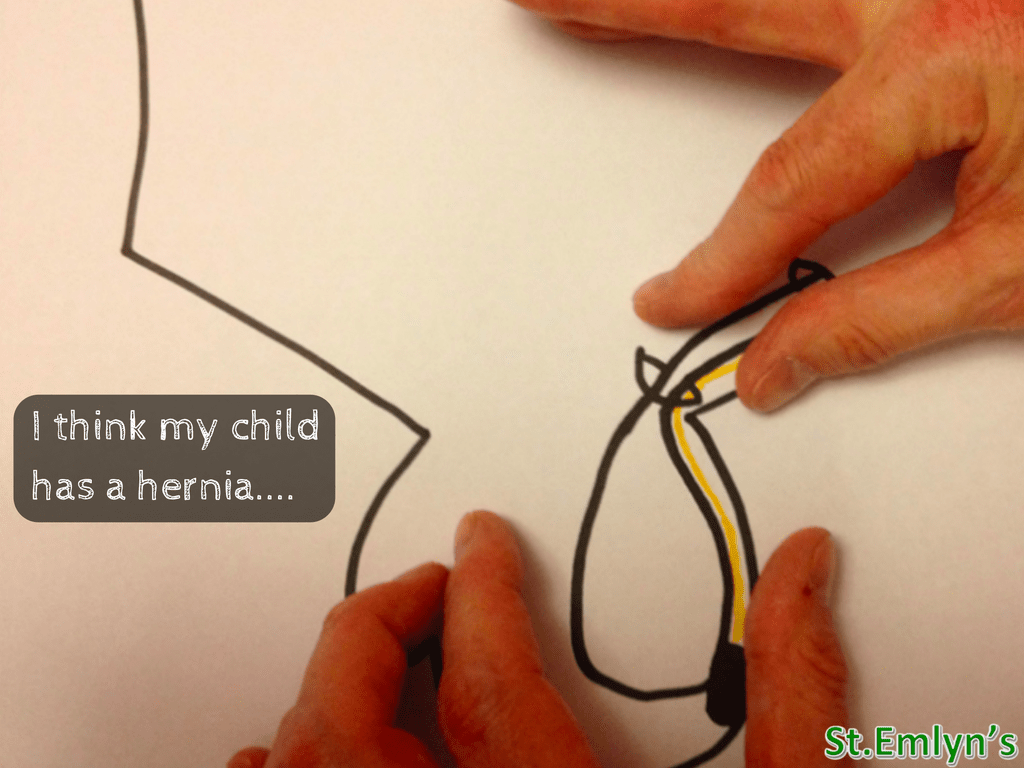
An infant with a groin swelling can present a difficult assessment for the emergency clinician. This 2016 paediatric surgery primer explains the relevant anatomy, history and examination, distinguishing hernias from hydroceles and discussing management and specialist involvement, with recognition of local practice differences.