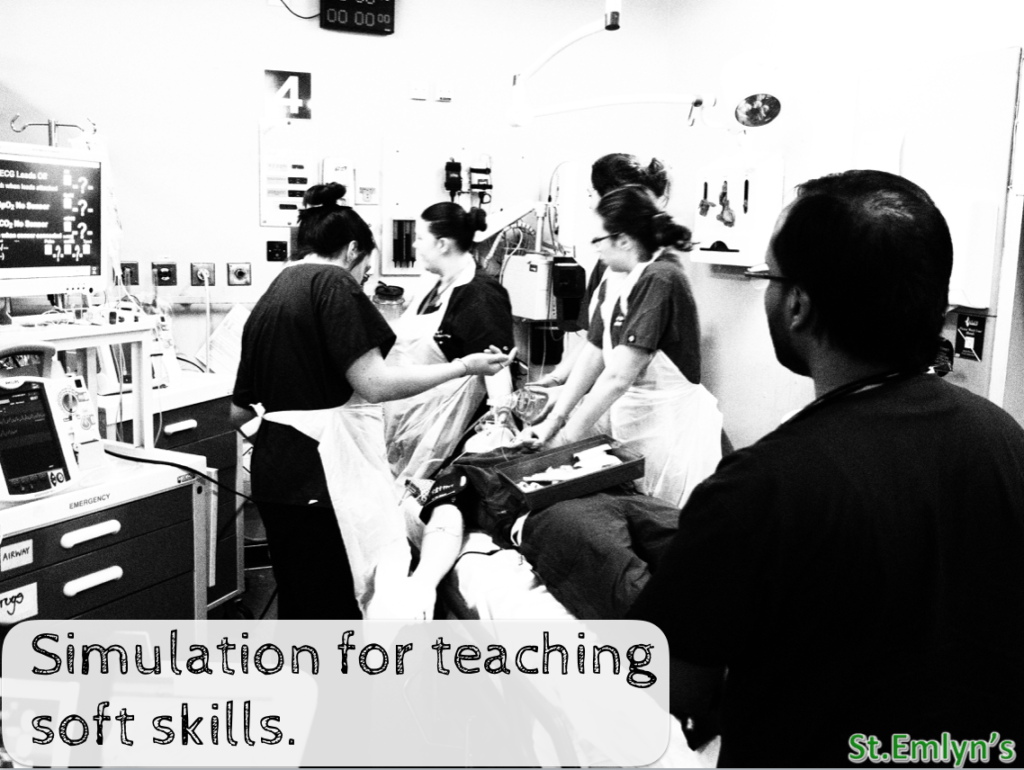
How can simulation develop the relationships and attitudes that shape clinical teamwork? Drawing on a EuSEM 2016 talk, this post explores training in the workplace, involving the whole team in debriefs and using learning conversations to understand behaviour under pressure.
Ambition, setbacks and fatigue can all affect a career in emergency medicine. This reflection explores realistic training goals, fear of failure, the move to consultant practice and life outside work, with attention to colleagues both within and outside formal training programmes.
A report from EuSEM 2016 in Vienna, covering trauma, cardiac diagnostics, decision-making, education and clinician wellbeing. Alongside the clinical sessions, the post reflects on interactive debate, international connections and the value of meeting emergency medicine colleagues beyond the lecture hall.
How should we interpret a high prevalence of pulmonary embolism among patients admitted with syncope? This 2016 appraisal examines the selected hospital population and distinguishes finding a clot from proving it caused the collapse or that treating it improves outcomes.
Natalie May’s notes accompanying her 2015 smaccMINI talk explore assessment of the previously well child with altered consciousness. The post covers protecting the brain and organising possible causes through the ‘5MF’ framework, including infection, metabolic illness, medication effects and seizures.
How do we include children when someone they love is critically ill or dying? These notes accompany a conversation with Liz Crowe about clear explanations, addressing fears and self-blame, preparing children for the bedside and supporting families through difficult conversations.