SMACC 2019 opened with patient stories, grief and compassionate communication before moving into bedside critical care. This report covers obstetric emergencies, echocardiography and prehospital trauma debates, showing how the Sydney meeting connected technical decisions with the people receiving care.
Does a trauma registry study justify abandoning REBOA? Zaf Qasim examines a 2019 comparison with standard care, considering reported mortality and complications, patient selection, missing procedural details and delays to definitive treatment before drawing conclusions about the technique.
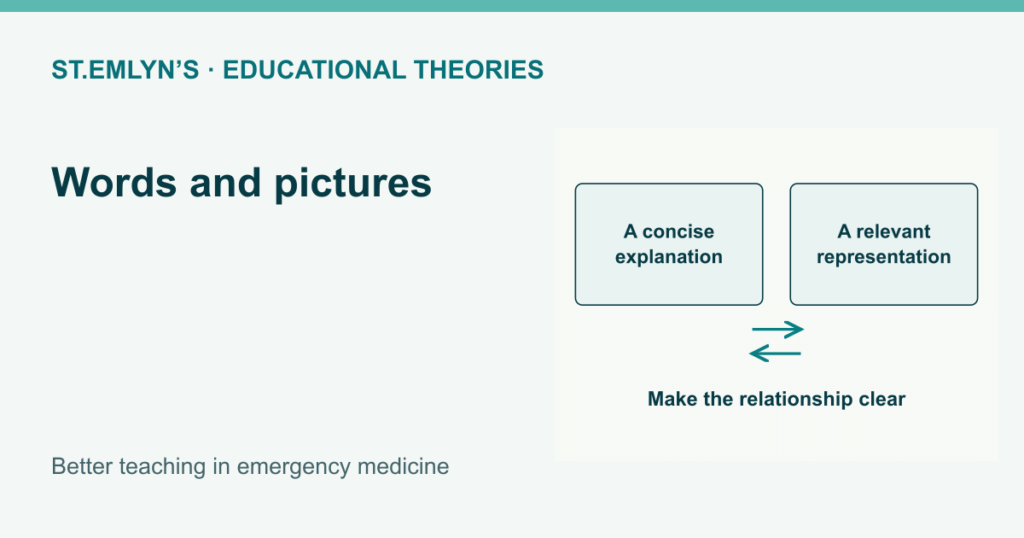
How can words and images work together to support learning? Nick Smith introduces dual-coding and related memory theories, with practical examples for slides, diagrams and teaching materials. He also explores how irrelevant visuals, crowded layouts and duplicated information can get in the way.
Simon Carley and Rick Body discuss the use and misuse of p-values in research, and what that means when critically appraising a paper. This short podcast introduction also links to explanations of p-values, confidence intervals and the fragility index.
Kat Evans shares her perspective on emergency medicine in South Africa in this recording from St Emlyn’s Live 2018. The post offers video and audio versions of her presentation, with links to badEM and related accounts of working and learning in South African emergency departments.
What makes overseas healthcare volunteering responsible and useful? Drawing on an EUSEM panel, Stevan Bruijns examines preparation, ethical limits, local partnerships and sustainability. The discussion challenges good intentions alone and considers how clinicians can contribute to global emergency care from home as well as abroad.