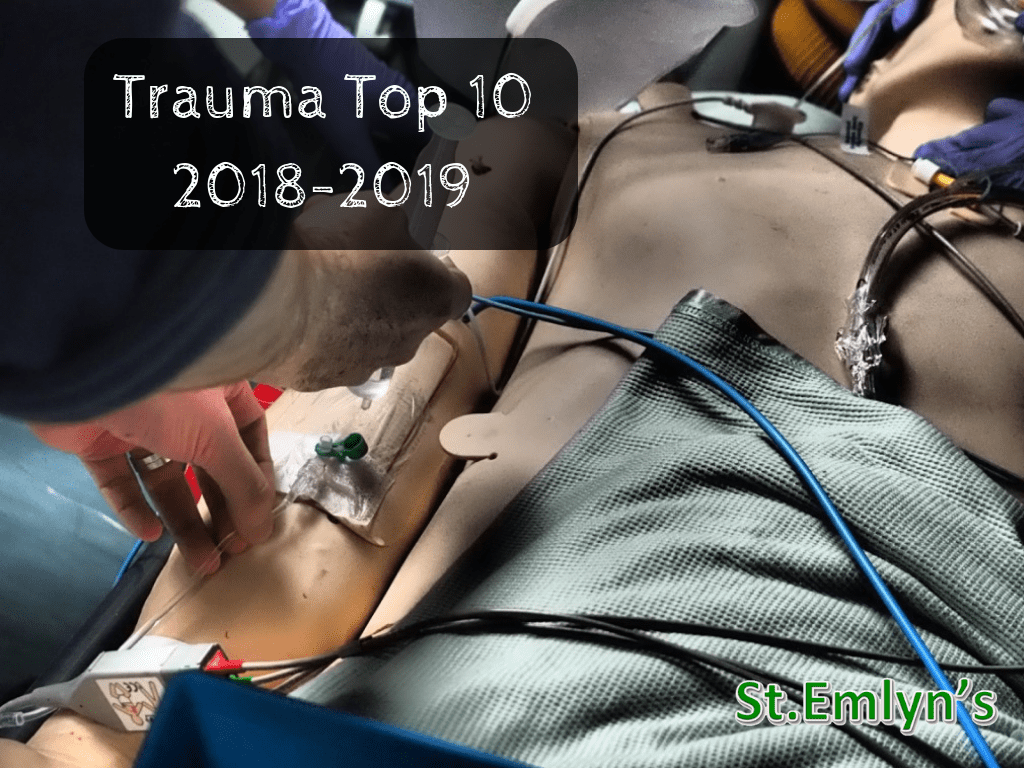
Simon Carley brings together ten trauma papers and resources for the 2019 TraumaUK conference. The selection spans prehospital plasma, airway management, resuscitation, head injury, emergency laparotomy and paediatric splenic injury, ending with the Zero Point Survey and preparation before resuscitation begins.
What should emergency clinicians ask when an adult with congenital heart disease attends the ED? This 2019 introduction explores altered anatomy, previous repairs and acute presentations, emphasising patients’ knowledge, specialist-team involvement and resources for further learning rather than offering a comprehensive management guide.
What does a p-value tell us, and what does it leave unanswered? This critical appraisal podcast and accompanying written discussion explore statistical versus clinical significance, confidence intervals, effect sizes, multiple testing and the fragility index, encouraging readers to look beyond a single threshold.
Should ventilation continue between induction and laryngoscopy during rapid sequence intubation? This 2019 appraisal examines a randomised trial in critically ill adults, weighing oxygen desaturation and aspiration outcomes against differences in technique, preoxygenation and the applicability of ICU findings to emergency departments.
Good workplace relationships need deliberate attention. Stevan Bruijns reflects on how gratitude, generous interpretations of colleagues’ actions, celebrating successes and shared experiences can support emergency care teams, while recognising that no single team can meet every professional and personal need.
How common is pulmonary embolism among patients attending the ED with syncope? Natalie May examines a 2019 analysis of Canadian and US cohorts, comparing it with PESIT and exploring how different populations, investigation practices and follow-up affect interpretation of the reported prevalence.