What can UK registry data tell us about traumatic cardiac arrest? This 2016 appraisal examines survival and injury patterns in TARN, while explaining why observational associations cannot establish which interventions work and why different causes may require different approaches.
A presentation is more than its slides. Ross Fisher introduces the p-cubed approach to story, supporting media and delivery, explaining how attention to the audience and the interaction between these elements can change the way clinicians prepare and present.
Chest drain insertion involves more than getting a tube into the chest. This 2016 teaching post discusses patient selection, analgesia, ultrasound, drain size and secure fixation, combining published evidence with the author’s practical experience and acknowledging important uncertainties.
Why did emergency medicine examination and training outcomes vary by ethnicity, region and training pathway? This 2016 discussion of GMC data examines differential attainment, challenges easy explanations and asks educators to reflect on bias, supervision and their responsibilities to trainees.
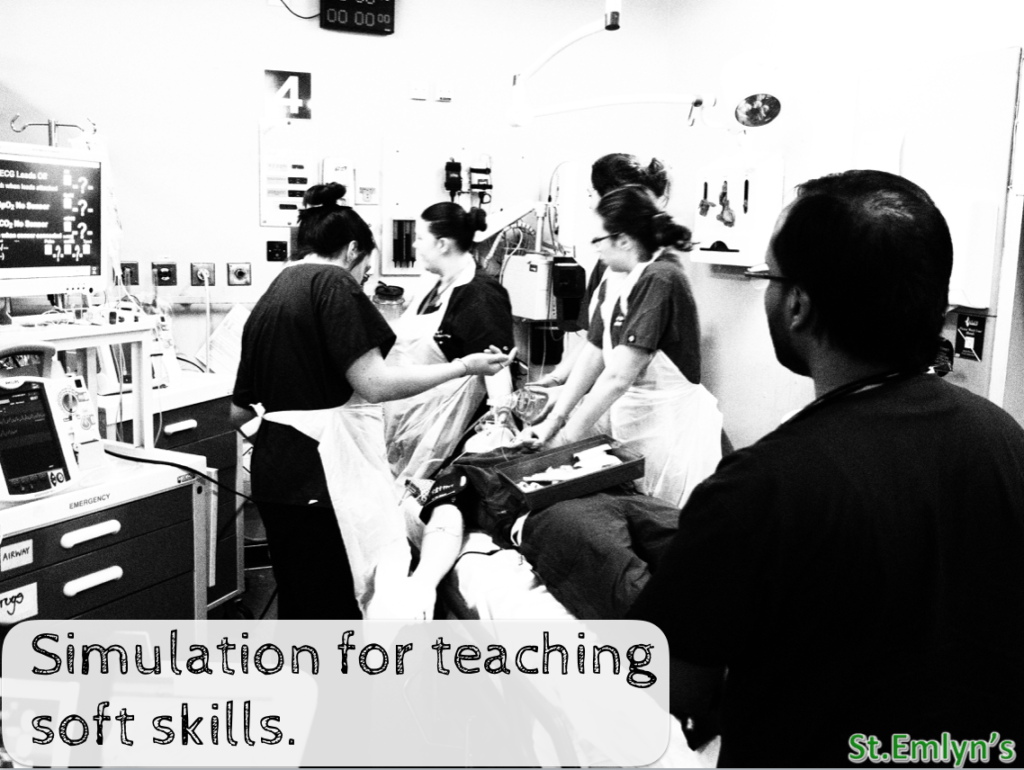
How can simulation develop the relationships and attitudes that shape clinical teamwork? Drawing on a EuSEM 2016 talk, this post explores training in the workplace, involving the whole team in debriefs and using learning conversations to understand behaviour under pressure.
A report from EuSEM 2016 in Vienna, covering trauma, cardiac diagnostics, decision-making, education and clinician wellbeing. Alongside the clinical sessions, the post reflects on interactive debate, international connections and the value of meeting emergency medicine colleagues beyond the lecture hall.